Volcanic Gas on Mars Hints the Red Planet Is "Sleeping," Not Dead
At a Glance
Scientists have detected hydrogen chloride gas seeping from fissures on a giant Martian volcano.
The gas suggests magma may still exist beneath the surface.
The finding could point to places where microbial life might survive.
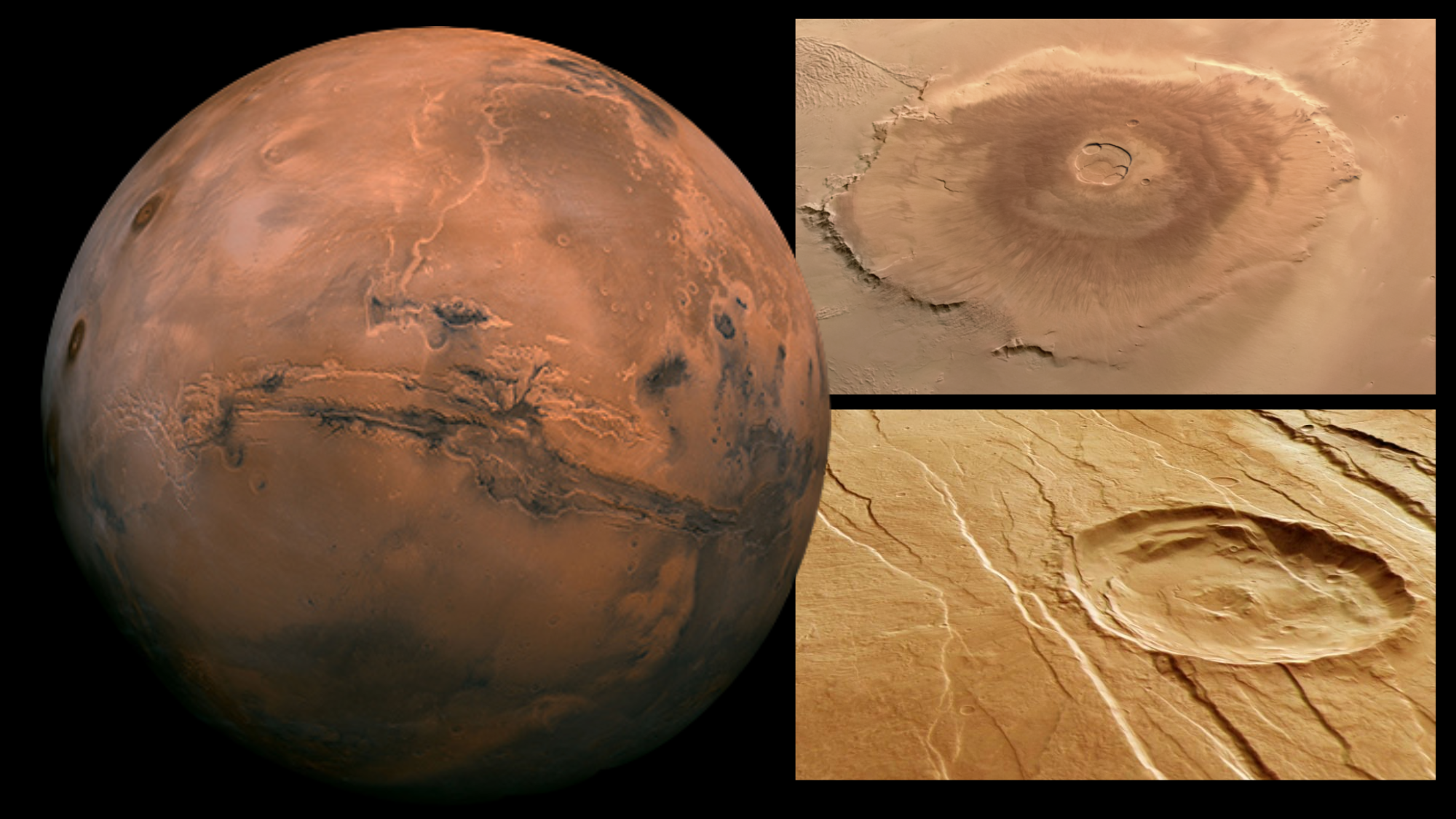
A European Space Agency orbiter has detected volcanic gas escaping from fresh fissures on Mars, a discovery researchers say suggests the planet is geologically dormant rather than dead.
Key Statements and Focus Area
Mège on the Discovery: "It was like looking for a needle in a haystack." — Professor Daniel Mège, study co-leader, Space Research Center of the Polish Academy of Sciences.
Mège on Where to Look for Life: "Looking for Martian life in the seeping fissures of the Alba Mons region would make a lot of sense." — Professor Daniel Mège.
ESA on the Significance: The findings are potentially "TGO's greatest success yet." — Dr. Colin Wilson, ESA project scientist for the ExoMars Trace Gas Orbiter.
Focus Area: The detection of volcanic gas on Mars and what it means for the search for life.
The ExoMars Trace Gas Orbiter first reported hydrogen chloride in the Martian atmosphere in 2021. The gas normally varies seasonally, peaking in the northern winter and mostly vanishing in summer.
The team found one exception: spikes always in early summer above narrow volcanic fissures, some hundreds of yards long, on the flanks of Alba Mons, one of the planet's largest volcanoes.
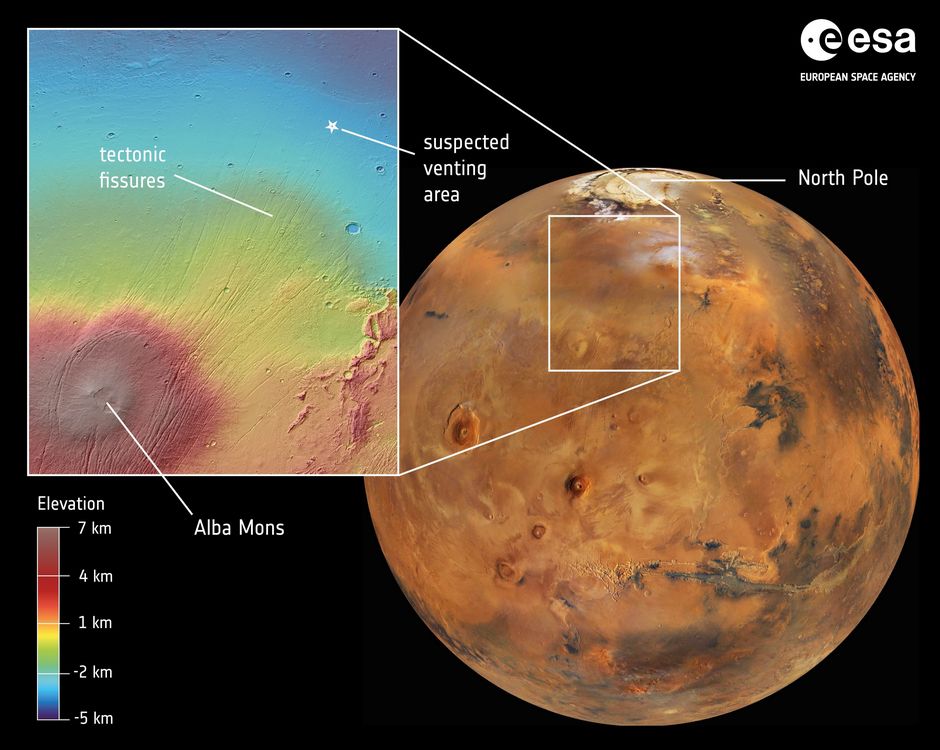
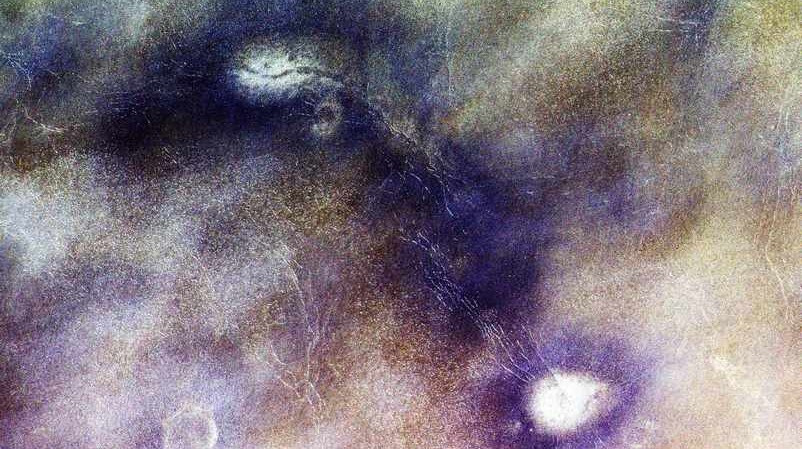
Infrared spectroscopy showed color changes around the fissures, which researchers believe come from deposits left by escaping gases. They suggest the seepage is linked to a dormant magma chamber beneath the surface.
If magma meets groundwater, it could create warm, habitable niches underground. One of the scientists said active hydrothermal systems could hold the ingredients and energy microorganisms need while shielding them from the harsh surface environment.
The study, published in Science Advances, combined atmospheric and geological analysis, with the team examining every possible chemical process in the Martian atmosphere to rule out other explanations.
FYI
Mars is home to the largest volcanoes in the solar system.
Evidence of active volcanism has long been elusive, though recent lava flows and "marsquakes" detected over the past 50 years have kept the possibility open.
On Earth, hydrogen chloride is commonly released from magmatic vents.
Dive Deeper: Handpicked Stories for You
Follow Channel8 for continuous updates:
Scientists Challenge Claim Nuclear Blast Destroyed Ancient Martian Civilization