Powerful El Niño Floods Northern Peru and Coastal Ecuador, Forcing Rescues and Evacuations
At a Glance
Rivers overflowed across northern Peru and coastal Ecuador on Saturday, prompting water rescues, evacuations, and road closures.
At least 34 people have died in Ecuador since late August.
Forecasters say El Niño will stay at "extraordinary" strength until February.
Relentless storms fueled by a particularly powerful El Niño flooded the Pacific coast from Ecuador's border with Colombia into northern Peru, where rain is normally scarce.
Key Statements and Focus Area
Peru's President on the Rainfall: "In a single day, it has rained what Piura gets in a year." — Keiko Fujimori, President of Peru.
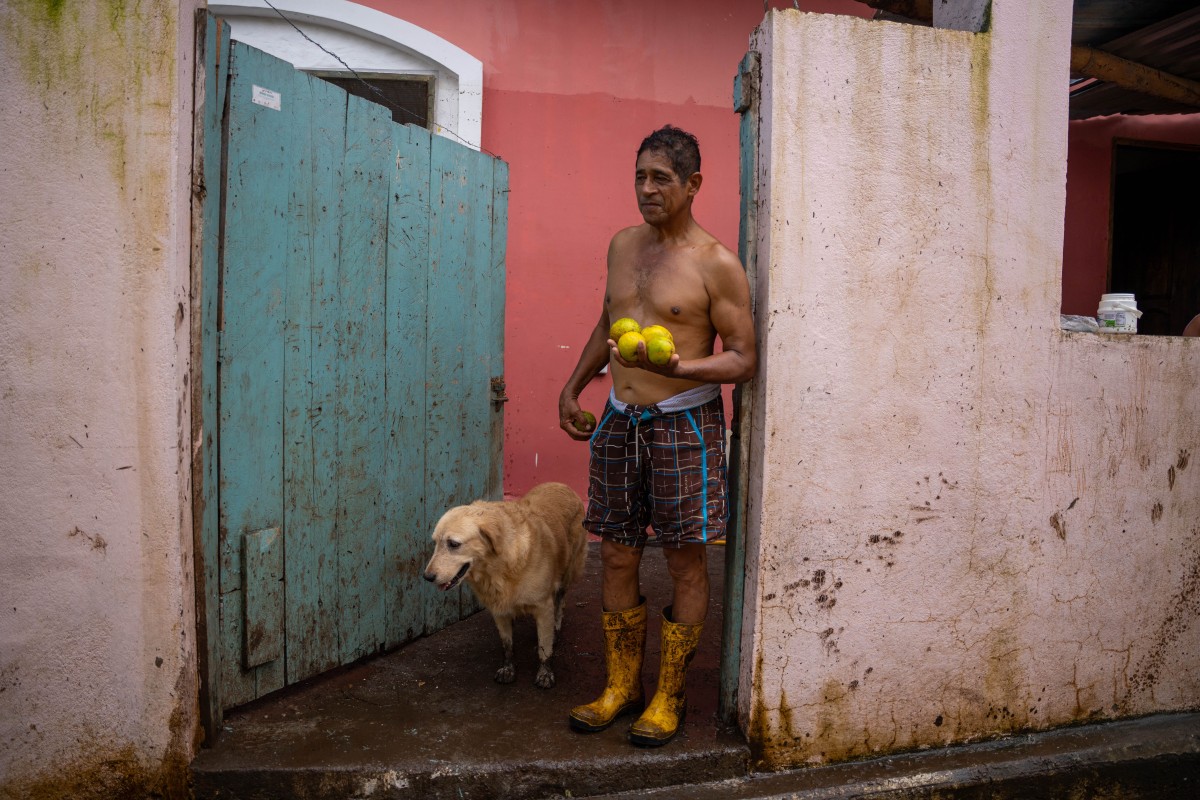
Flood Victim's Relative on Evacuations: "There are people who don't want to leave their homes because they have nowhere to go." — Henry Salazar, Peruvian resident, on a radio station.
Lima Resident on the Heat: "My house is an oven." — Cindy Cueto, community soup kitchen cook in Lima.
Focus Area: The El Niño floods in Peru and Ecuador and their human and economic toll.
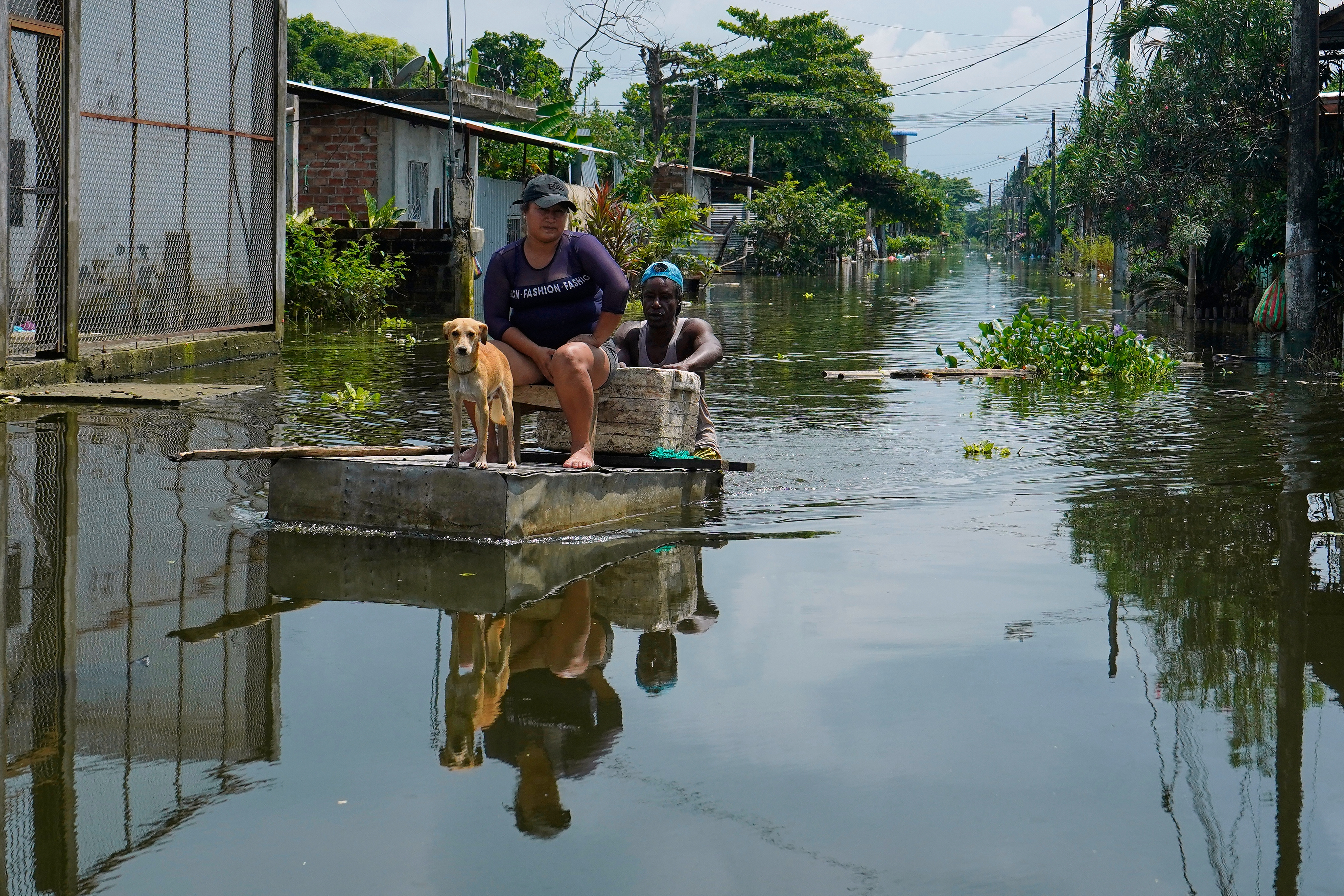
In Peru, more than 2,000 families have been affected in Piura alone, where a record 143 millimeters of rain fell in 24 hours at one station, overwhelming storm drains and leaving streets under waist-high water.
Fujimori toured the flooded El Chilcal neighborhood by police boat as families waited on rooftops, promised emergency cash payments, and said her government is coordinating aid from the United States and China.
The Tumbes River swelled to nearly twice the dangerous level, swallowing part of the Pan-American Highway and swamping homes, schools, and hundreds of acres of rice and banana fields.
A red alert for Piura and Tumbes was extended through Monday, and the Culture Ministry declared a 90-day emergency at the pre-Inca citadel of Kuélap to protect its stone walls.
In Ecuador, police and firefighters evacuated families in Esmeraldas province after two rivers burst their banks.
More than 50 road sections were damaged by floods and landslides, with at least 10 closed, including the main highway between Quito and the coast.
Two people died Friday in a mudslide. Sunday's local elections, moved up from February to avoid El Niño's peak, were disrupted, with polling stations relocated in five provinces and dozens more at risk.
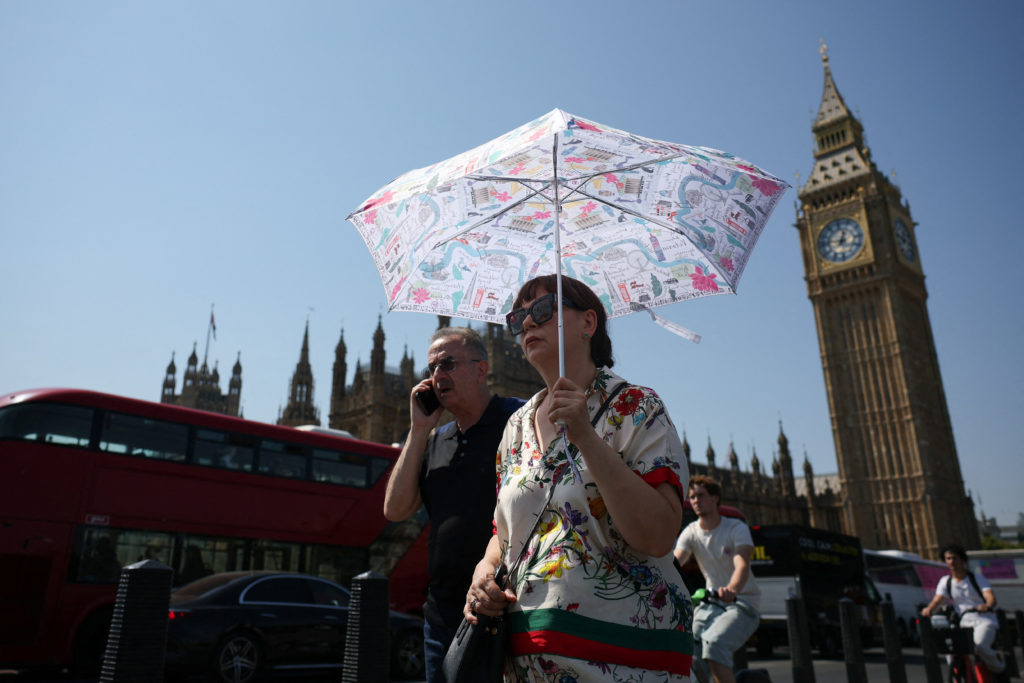
Even Lima has seen persistent rain in some areas and heat up to nearly 10 degrees Celsius above normal.
Food prices have risen as harvests and fishing hauls shrink, pushing Lima's annual inflation above 5% in October, the highest in three years.
Peru's central bank expects El Niño to cost nearly a percentage point of growth this year and more than a point in 2027.
FYI
El Niño begins with a warming of the tropical Pacific and influences rainfall, temperature, and storms worldwide.
It has been blamed for flooding in this region, as well as drought and heat elsewhere this year.
Dive Deeper: Handpicked Stories for You
Follow Channel8 for continuous updates:
El Niño Sparks Pacific Droughts, San Francisco Tides, and Economic Risks
Record El Niño Unleashes Wildfires, Crop Losses, and Food Security Fears Globally