Italy's Only Hedgehog Rescue Center Overwhelmed as Climate Change Disrupts Hibernation
At a Glance
Italy's only hedgehog rescue center is busier than ever amid drought and unusually hot summers.
Hoglets are being born later in the season and are too small to survive winter.
The center expects more than 700 animals this year.
Prolonged drought and high summer temperatures linked to climate change are pushing record numbers of underweight hedgehogs into La Ninna, a rescue center in Italy's Piedmont region.
Key Statements and Focus Area
Founder on the Surge: "We're in the middle of autumn, and we are literally being inundated with tiny hedgehogs weighing 100 to 200 grams. They were born late in the season because of global warming and cannot survive outside." — Massimo Vacchetta, veterinarian and founder of La Ninna.
Founder on the Hidden Crisis: "People do not realize the gravity of the situation because these are silent deaths. Animals fall ill and die far from our sight." — Massimo Vacchetta.
Focus Area: How climate change is threatening hedgehogs in Italy and the rescue effort to save them.
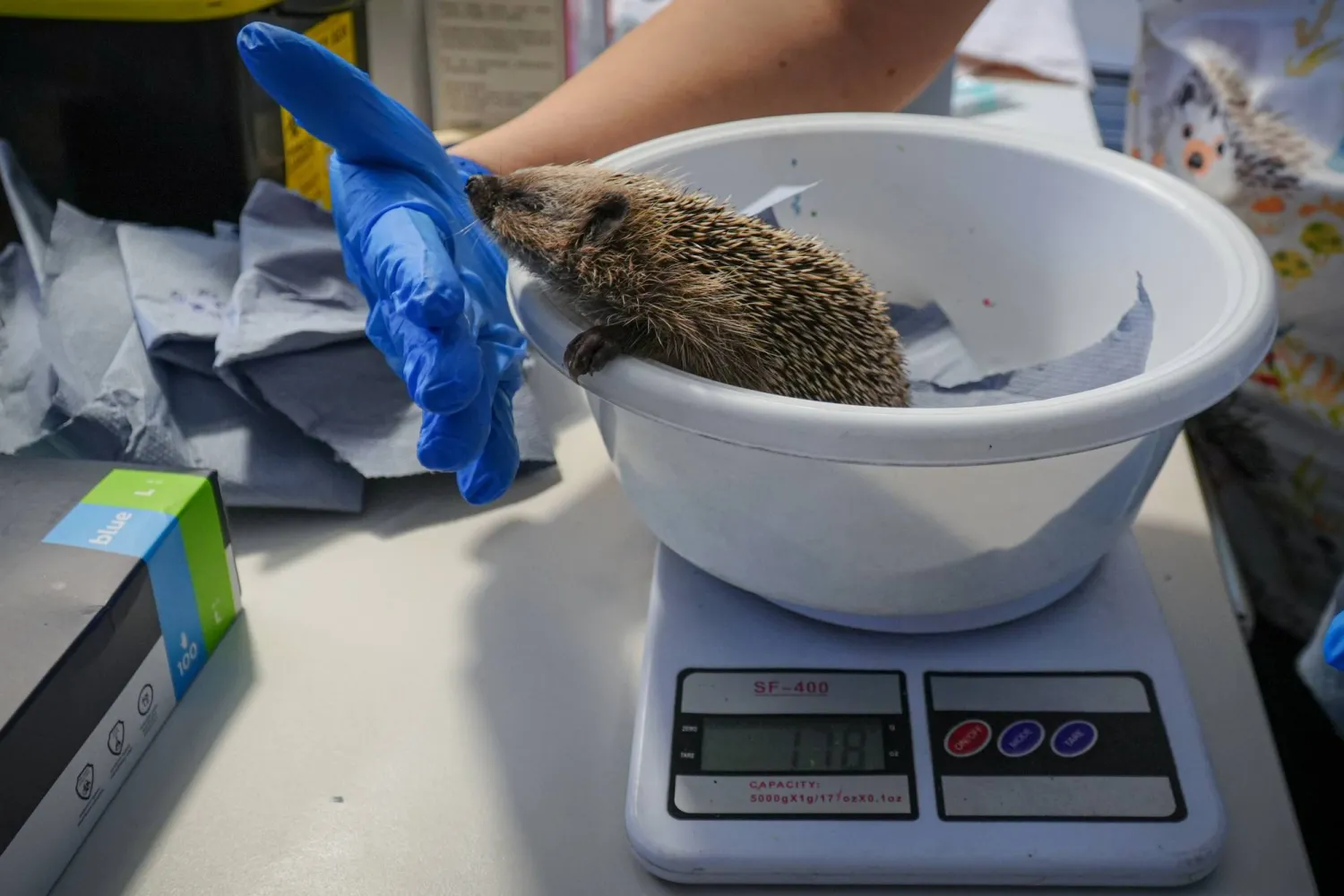
A hedgehog needs to weigh at least 700 grams to hibernate successfully.
A decade ago, late second litters typically arrived by early September, but some are now born as late as November, leaving too little time to gain weight.
The center cared for 450 animals two years ago and more than 700 last year, with a similar number expected this year.
By mid-November it held about 300 hedgehogs, about two-thirds of them hoglets, with another 100 to 200 expected before winter.
The rest are adults that are ill or malnourished because drought and heat have cut insect populations, forcing the nocturnal animals to forage by day. All those arriving now will stay until spring.
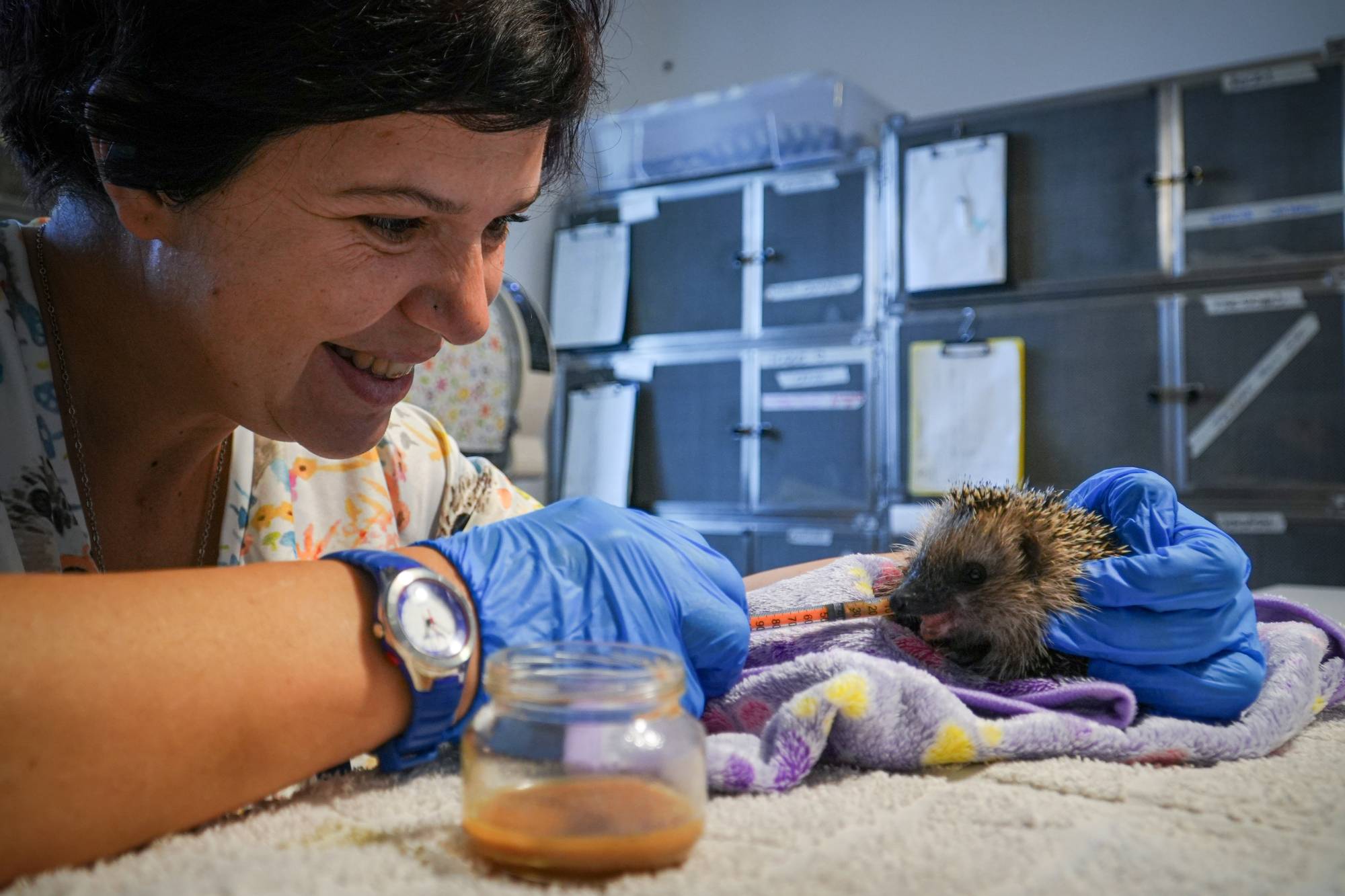
The center, funded mostly by donations, has eight full-time staff and volunteers and is equipped like an emergency clinic with incubators, ultrasound, and oxygen tanks.
Staff member Elisa Mangione calls giving each animal a name "a form of hope." Carcasses are sent to the University of Turin, where Maria Teresa Capucchio says researchers are seeing more infectious agents, mainly bacteria and parasites.
She said warmer weather keeps hedgehogs wandering when they should be hibernating, and they emerge as early as February, before insects are available.
Illness, food shortages, and exposure to agricultural chemicals, netting, and traffic are all contributing to declines.
FYI
Vacchetta founded the center 14 years ago after recognizing the animals' growing vulnerability.
Hedgehogs are at risk of extinction in England, though not yet in Italy, according to Capucchio.
Reports of distressed hedgehogs come from across Italy, and the center offers advice or refers callers to the nearest wildlife center.
Dive Deeper: Handpicked Stories for You
Follow Channel8 for continuous updates:
UN Chief Warns of "New Age of Climate Extremes" as COP31 Opens in Turkey
New Bolivian Wildlife Reserve Protects Vital Amazon Corridor