Draft COP31 Deal Omits Fossil Fuels as Talks Run Into Double Overtime
At a Glance
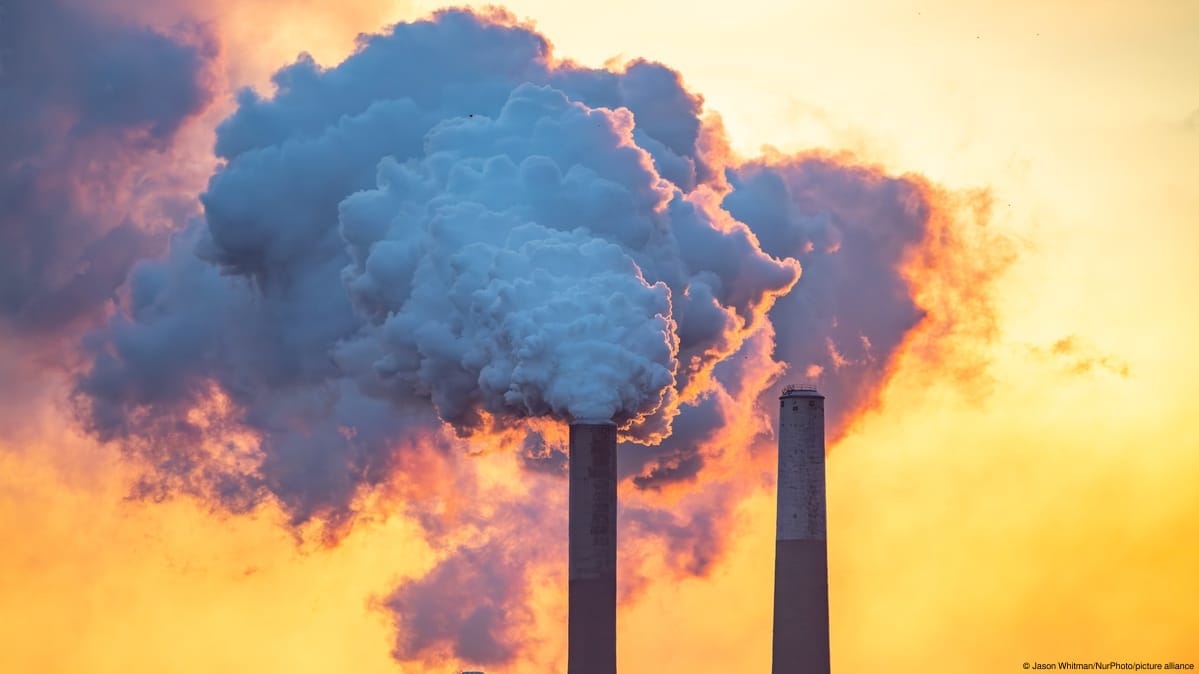
The latest draft agreement from COP31 in Antalya does not mention fossil fuels or a phase-out of coal, oil, and gas.
Negotiators were given about three hours to object before the text goes to the plenary.
The talks are in double overtime, and organizers fear there may not be enough delegates left to vote.
The newest and possibly final proposed agreement from the UN climate talks in Turkey leaves out any reference to fossil fuels, the main driver of global warming, drawing a sharp response from climate analysts and some countries.
Key Statements and Focus Area
Analyst on the Omission: "It would be a real setback if we come out of here with no signal that we were serious about what we agreed to do three years ago." — Alden Meyer, analyst, E3G.
Climate Scientist on Electrification: "Electrification that runs on coal and gas does not limit warming." — Bill Hare, CEO, Climate Analytics.
Focus Area: The draft COP31 agreement and the fight over whether it should call for moving away from fossil fuels.
The 10-page draft, released after 3 a.m. Sunday by conference president and Turkish Environment Minister Murat Kurum, "recalls" the 2023 UAE Consensus in its first line, but the words "fossil," "oil," "coal" and "phase out" appear nowhere in the text.
It does set a specific goal of 1 billion metric tons of carbon capture and storage, a technology backed by the oil industry and aimed at industrial polluters that cannot easily switch to renewables.
Approval requires near-unanimous consensus. The conference was due to end Friday, and organizers worry a two-thirds voting quorum may not be present as delegates leave.
Panama's environment minister, Juan Carlos Navarro, had vowed to formally object to any deal that does not cap oil production, acknowledge missed warming goals, and boost adaptation finance, saying the talks were being held hostage by a "petroleum mafia."
Developing countries also failed to win an explicit baseline for the pledge to triple adaptation aid.
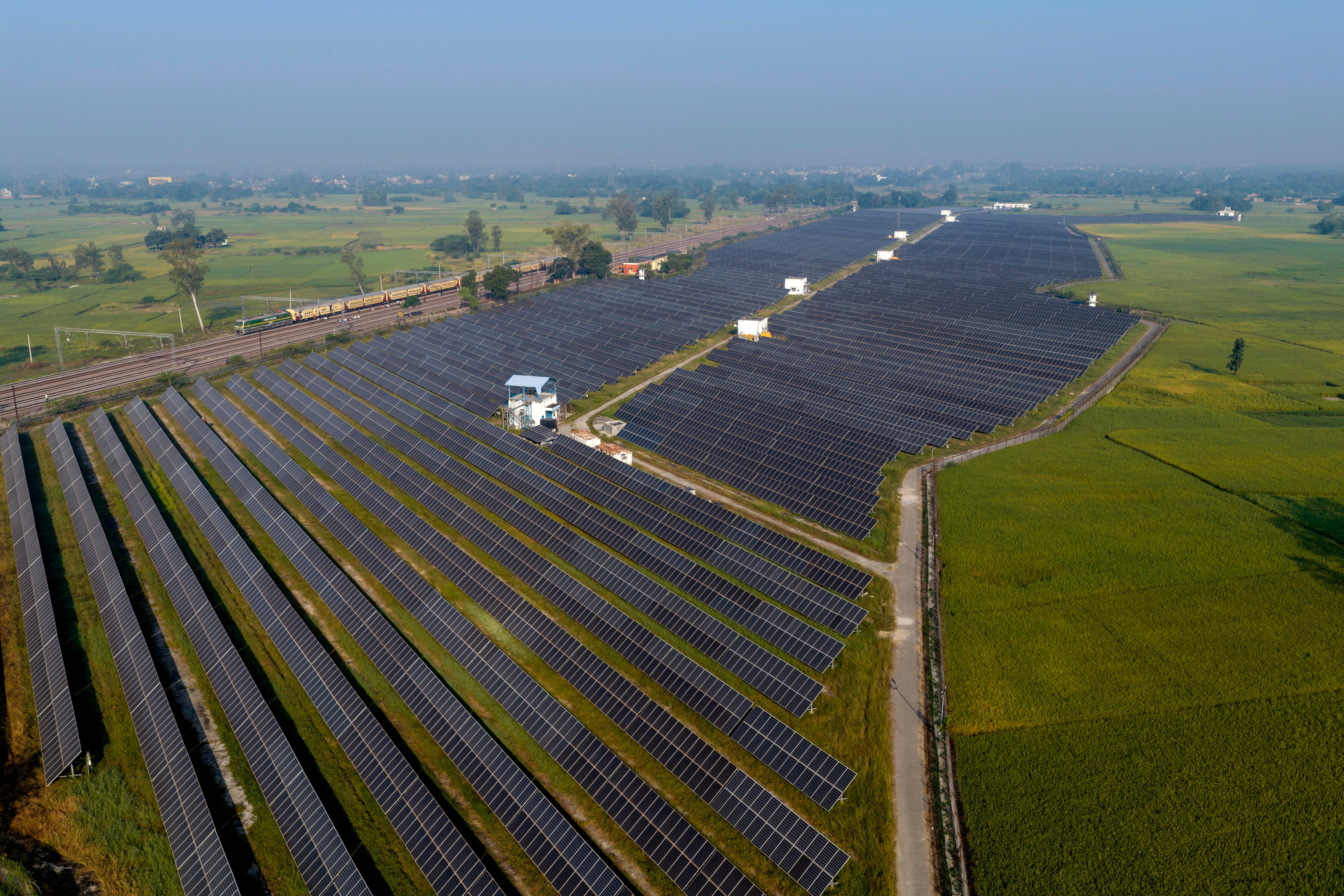
The draft backs Turkey's signature goal of raising electricity's share of final energy consumption, including transport, from about 21% to 35% by 2035.
Activists want electricity limited to renewables, but Turkey and the head of the International Energy Agency argue that because 80% of new electricity comes from renewables, the goal will still cut emissions.
FYI
Fossil fuels went unmentioned in final COP decisions for more than 25 years, largely because of objections from Saudi Arabia, until countries agreed in Dubai in 2023 to "transition away from fossil fuels."
Decisions at the conference require near-unanimous consensus.
Dive Deeper: Handpicked Stories for You
Follow Channel8 for continuous updates:
Global Fossil Fuel Emissions Set for First Drop Since 2020
UN Chief Warns of "New Age of Climate Extremes" as COP31 Opens in Turkey