Iraqi Dinar Records Notable Gain Against US Dollar
At a Glance
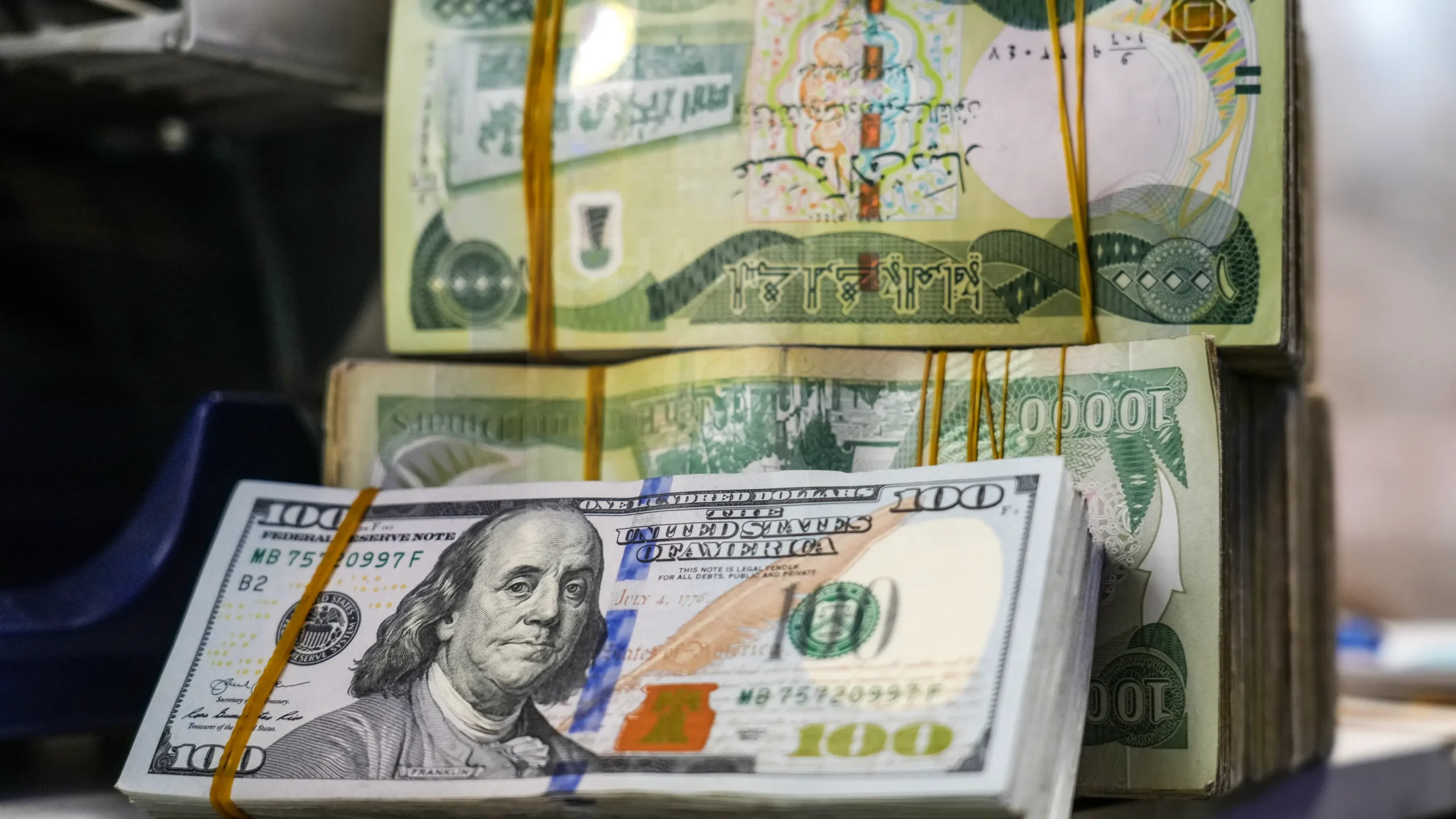
The Iraqi dinar strengthened against the US dollar in Erbil and Sulaymaniyah markets on Saturday.
The dollar fell to around 166,500 dinars per $100, compared with approximately 170,000 dinars at the end of last week.
The movement followed government measures expanding access to the travelers’ dollar allowance.
The latest decision increases the annual number of allocations from six to 12, while maintaining the $3,000 allowance per allocation.
The Iraqi dinar strengthened against the US dollar in currency markets on Saturday, with $100 trading at around 166,500 dinars, following new measures expanding the availability of foreign currency for travelers.
Key Statements and Focus Areas
Dinar Strengthens in Local Markets
Market information provided to Channel 8 from Erbil and Sulaymaniyah indicated that the dollar fell to approximately 166,000 dinars per $100 when trading opened.
By Saturday, the quoted rate stood at 166,500 dinars per $100.
The dollar had traded at around 170,000 dinars per $100 at the end of the previous week.
Government Expands Travelers’ Dollar Allowance
On November 27, Prime Minister Ali al-Zaidi announced an increase in the annual number of travelers’ foreign-currency allocations from six to 12.
The allowance remains $3,000 per allocation.
The measure expands the number of times eligible travelers can access dollars through approved channels.
The Iraqi dinar strengthened against the US dollar in currency markets in Erbil and Sulaymaniyah on Saturday, following recent government measures aimed at expanding access to foreign currency.
Market information provided to Channel 8 showed that $100 fell to around 166,000 dinars at the opening of trading, before reaching approximately 166,500 dinars. The dollar had been trading at around 170,000 dinars per $100 at the end of the previous week.
The movement followed a decision announced by Prime Minister Ali al-Zaidi on Friday, November 27, to increase the annual number of foreign-currency allocations available to travelers from six to 12. Each allocation remains capped at $3,000.
The Central Bank of Iraq had previously raised the cash allowance for travelers from $2,000 to $3,000, effective November 3, with access limited to once every two months and a maximum of six allocations annually. The latest measure expands that frequency to 12 allocations per year. <Cite refs={["turn272332search8","turn272332search13","turn272332search1"]}/>
The expanded allowance is intended to facilitate access to foreign currency through official channels. Its announcement has coincided with a decline in the parallel-market dollar rate, although the extent to which the policy change directly caused the movement has not been independently established.
Official and Parallel-Market Rates
The federal government adjusted the official exchange-rate framework on October 7. The official rate used for travelers’ dollar allocations is 1,520 dinars per dollar, equivalent to 152,000 dinars per $100. This remains below the parallel-market rate reported on Saturday. <Cite refs={["turn272332search10","turn272332search11"]}/>
On October 23, Prime Minister Ali al-Zaidi said in a televised interview that the government was seeking to stabilize the dollar at 155,000 dinars per $100.
Earlier in November, Deputy Prime Minister for Economic Affairs Mohammed Ali Tamim said the market exchange rate would soon move closer to the official rate, adding that he stood by his assessment.
FYI
The gap between Iraq’s official and parallel-market exchange rates has remained a key challenge for monetary policy, reflecting differences between access to official foreign currency and demand in the open market. Expanding the travelers’ dollar allowance is one measure intended to channel more demand through regulated financial institutions. However, a sustained narrowing of the gap will depend on the availability of foreign currency, confidence in official channels and broader market conditions. The latest decline in the dollar’s market price is a short-term movement and does not, by itself, establish a lasting shift in the exchange rate.