KRG Trade Director Urges Boycott of Overpriced Goods
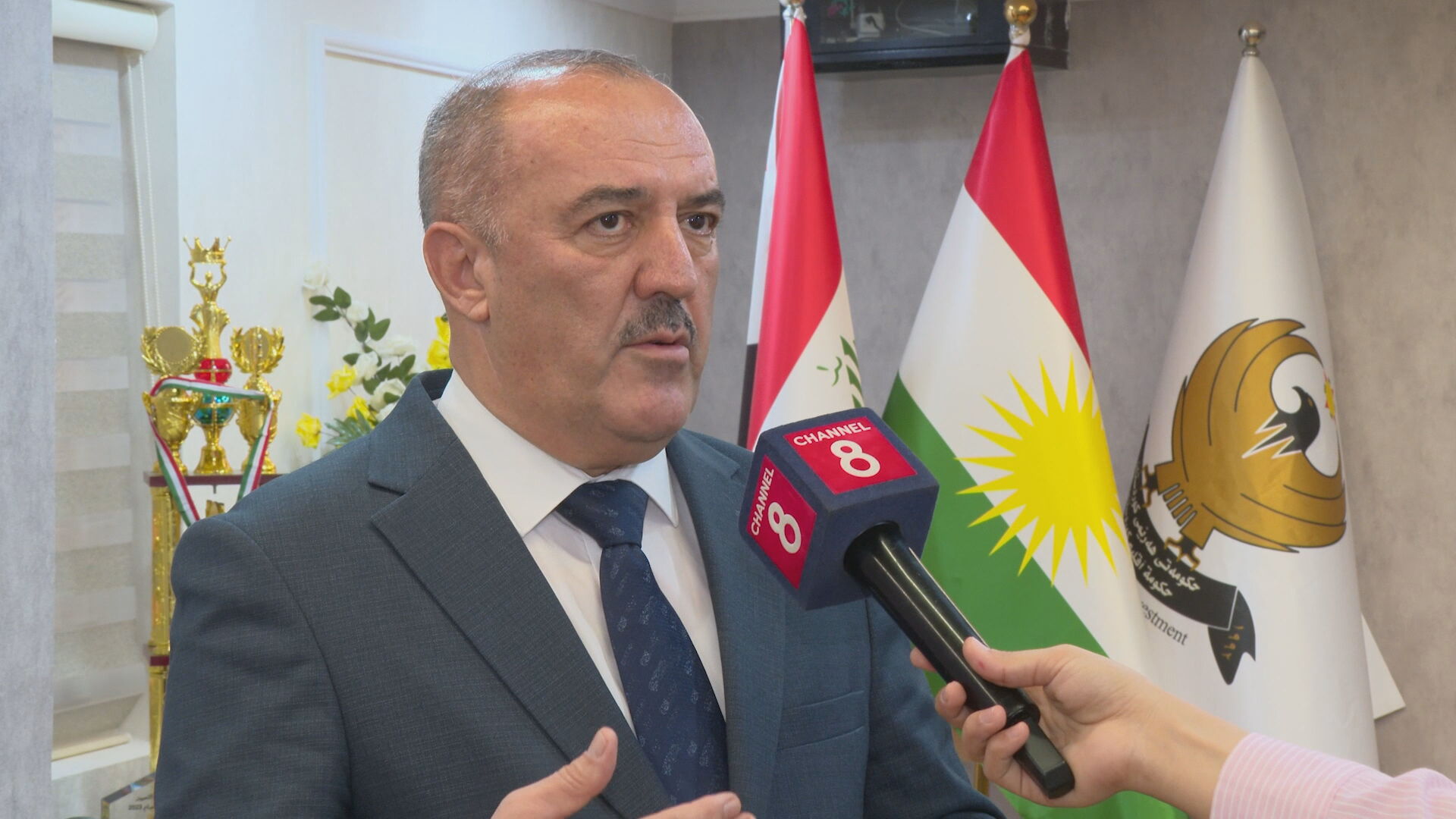
At a Glance
The KRG Trade Director General urges consumers to avoid goods sold at unjustifiably high prices.
Nawzad Sheikh Kamil links rising commodity prices to the Iraqi dinar’s depreciation.
He says merchants rely on parallel market exchange rates to finance imports.
He expects ASYCUDA implementation to improve access to official dollar rates for importers.
The Kurdistan Region’s Director General of Trade has urged consumers to report unjustified price increases, avoid panic buying, and boycott overpriced goods as the depreciation of the Iraqi dinar puts pressure on market prices.
Key Statements and Focus Area
Consumer Boycotts: "Citizens should implement a culture of boycotting overpriced goods. When visiting markets, do not purchase items with inflated prices. This forces traders to lower prices and serves as an effective mechanism to curb inflation." — Nawzad Sheikh Kamil, Director General of Trade at the KRG Ministry of Trade and Industry, speaking to Channel8.
Market Balance: "As the Ministry of Trade, we consistently maintain a balance between citizens and traders. If traders are not supported, they will be unable to import goods into the Kurdistan Region in sufficient quantities." — Nawzad Sheikh Kamil, speaking to Channel8.
Currency and Import Costs: Sheikh Kamil says the dinar’s depreciation and merchants’ reliance on parallel-market dollar rates are contributing to higher commodity prices. He expects the implementation of ASYCUDA to help importers access dollars at the official rate.
Sheikh Kamil said the ministry is asking consumers to report unjustified price increases to inspection committees in their local districts. He also advised households to buy according to their daily needs rather than stockpiling goods out of concern that prices may rise further. He said the ministry seeks to balance consumer interests with the needs of traders, who must maintain sufficient imports to supply the regional market.
Sheikh Kamil said merchants currently obtain dollars through the parallel market to finance imports, adding that the ASYCUDA system has not yet been implemented in a way that allows them to access foreign currency at the Central Bank of Iraq’s official rate.
He said full implementation would allow merchants to obtain dollars at the official rate and could help bring commodity prices down. The expected effect will depend on implementation and how exchange-rate changes are reflected in import costs and retail prices.
FYI
ASYCUDA, short for Automated System for Customs Data, is a customs management system developed by the United Nations Conference on Trade and Development (UNCTAD). It supports the processing of customs declarations and trade data and is designed to improve customs administration.
Differences between official and parallel exchange rates can affect import costs when businesses cannot access foreign currency at the official rate. The extent to which changes in exchange-rate access reduce consumer prices depends on factors including import costs, supply conditions, and retailers’ pricing decisions.
Dive Deeper: Handpicked Stories for You
Follow Channel8 for continuous updates:
Iraq Waives Customs Duties as Consumer Prices Continue to Rise


.jpg)