U.S. Eyes Renewed Peace Talks With Iran Amid Rising Maritime Tensions
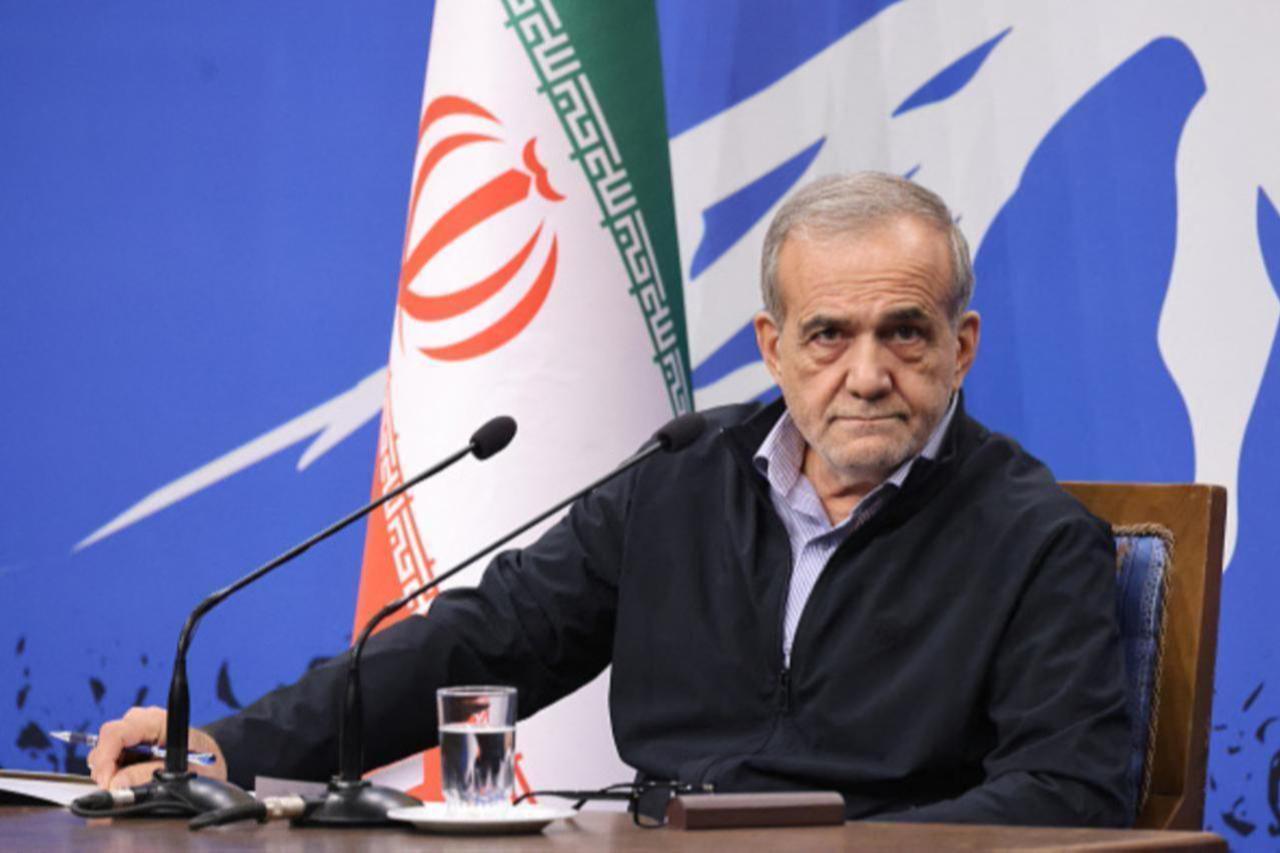
The United States is weighing a second round of peace negotiations with Iran in Pakistan, signaling cautious optimism about a potential deal even as Tehran threatens to disrupt Red Sea trade unless Washington lifts its naval blockade.
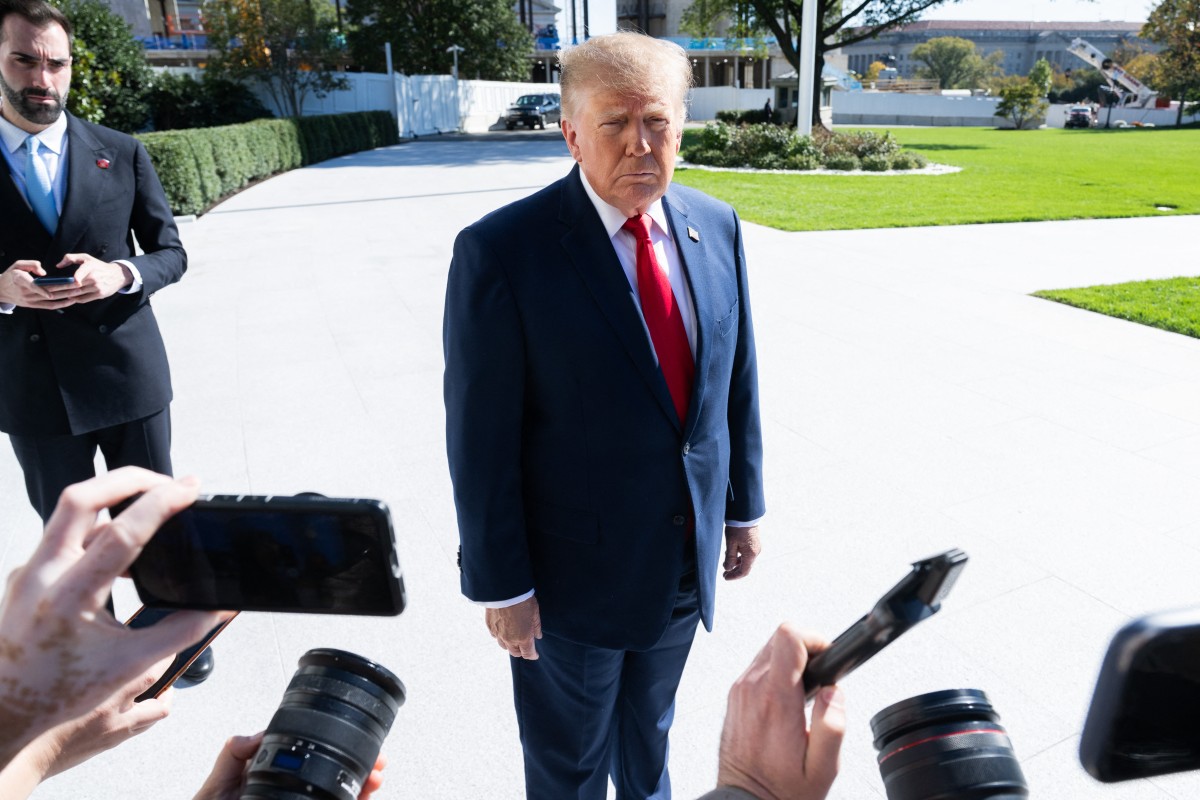
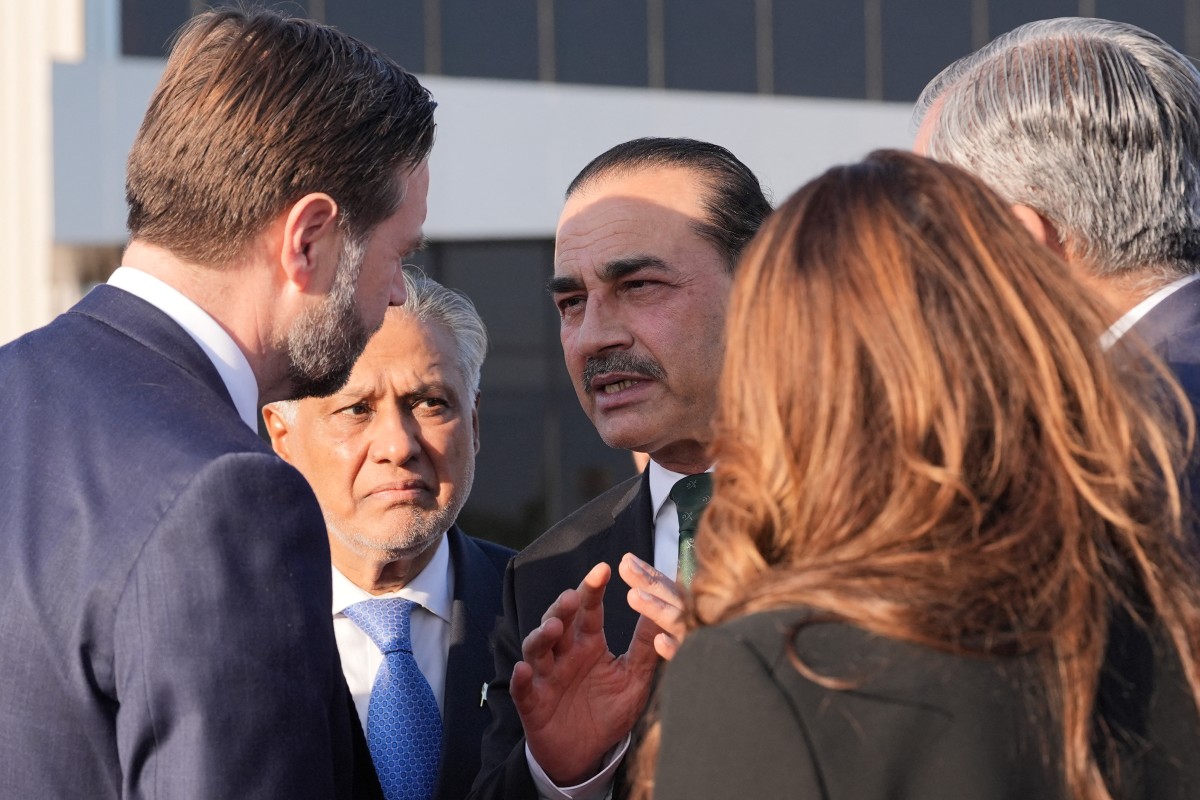
A Pakistani delegation arrived in Tehran carrying a new message from Washington after President Donald Trump suggested talks could resume following last weekend’s failed attempt in Islamabad. White House Press Secretary Karoline Leavitt said discussions “would very likely” take place in Pakistan’s capital, adding that officials “feel good about the prospects of a deal.”
Vice President JD Vance, who led the initial talks, described the U.S. proposal as a “grand bargain” aimed at ending the six-week war with Israel and addressing Iran’s long-standing nuclear dispute. Israeli Prime Minister Benjamin Netanyahu emphasized that Washington and Tel Aviv share identical goals: removal of enriched material, dismantling of enrichment capability, and reopening of the Strait of Hormuz.
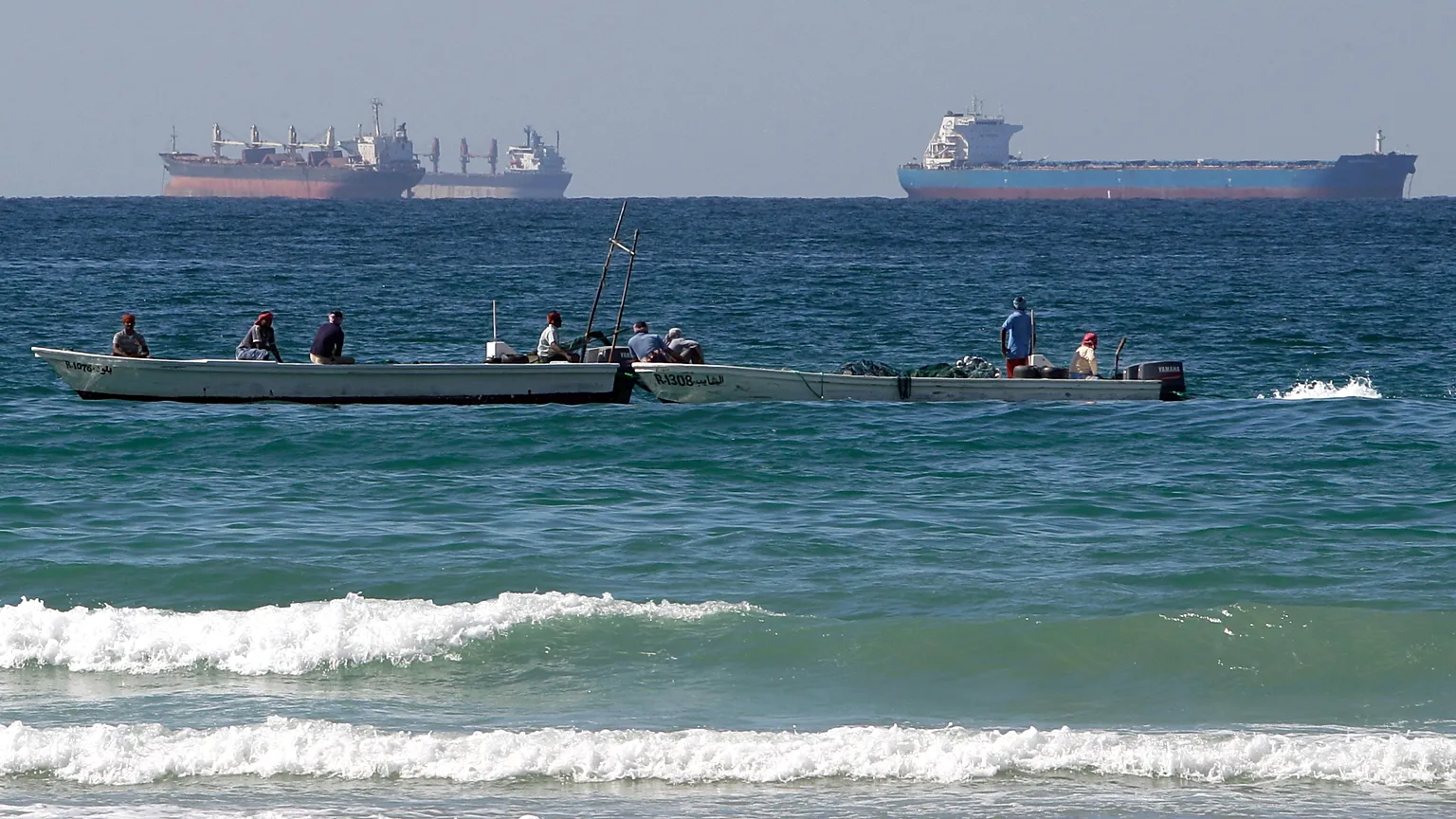
The strait, a vital oil transit route, has been blocked by Iranian forces since the U.S.-Israeli offensive began. Meanwhile, the International Monetary Fund warned of global economic strain if the conflict persists, citing risks of inflation and rising food prices. Despite this, Wall Street rallied on hopes of a breakthrough, with major indices hitting record highs as crude prices fell.
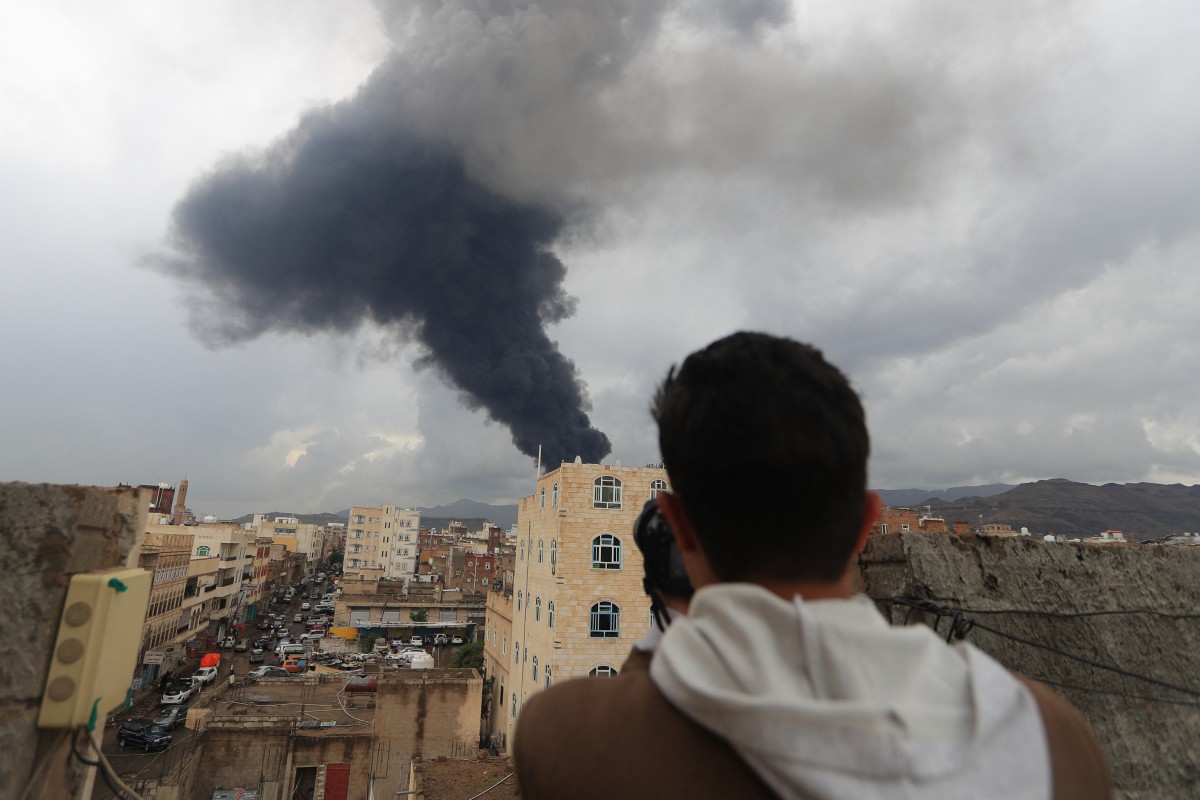
U.S. Central Command claimed its blockade had “completely halted” Iran’s maritime trade, turning back ten vessels in the first 48 hours. Iran disputed this, insisting shipping continues from southern ports. Iranian commanders warned that failure to lift the blockade could unravel the April 8 ceasefire, threatening to shut down exports across the Persian Gulf, Sea of Oman, and Red Sea.
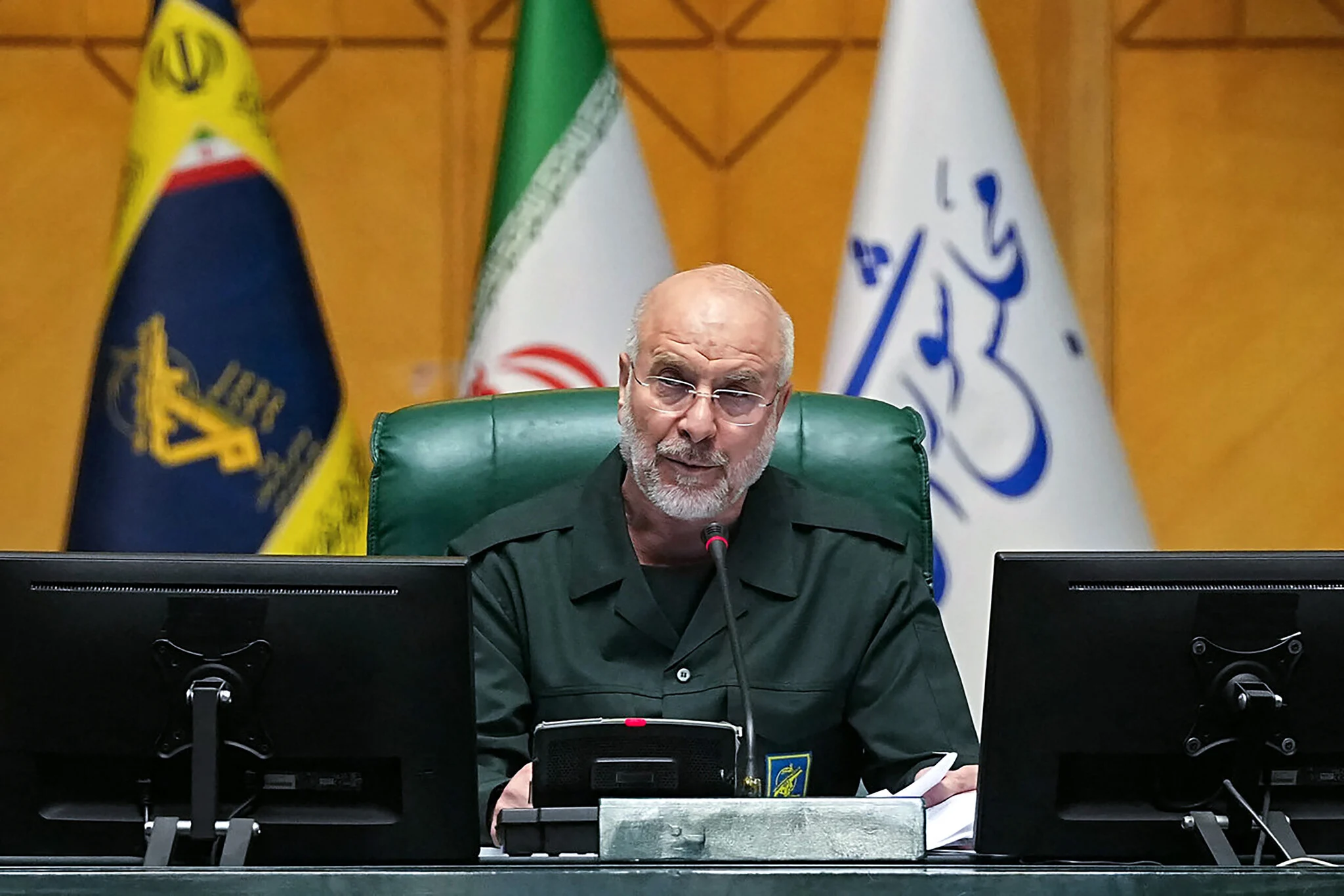
Military adviser Mohsen Rezaei escalated rhetoric, vowing that American ships in the Strait of Hormuz would be “sunk by our first missiles” if Washington attempted to police the channel.
In Tehran, Foreign Minister Abbas Araghchi welcomed Pakistan’s delegation led by army chief Asim Munir, tasked with relaying Washington’s latest message. Trump has insisted any deal must permanently prevent Iran from acquiring nuclear weapons, demanding a 20-year suspension of uranium enrichment. Tehran countered with a five-year freeze, insisting its nuclear program is civilian in nature.
The diplomatic push comes as Israel and Lebanon opened direct negotiations for the first time since 1993, with Netanyahu calling for Hezbollah’s dismantling and a sustainable peace. Yet the fragile talks were overshadowed by Hezbollah rocket attacks and Israeli strikes on hundreds of targets in Lebanon.