Iraqi Parliament Speaker Reviews Jurf al-Sakhar Smuggling Report With Security
At a Glance
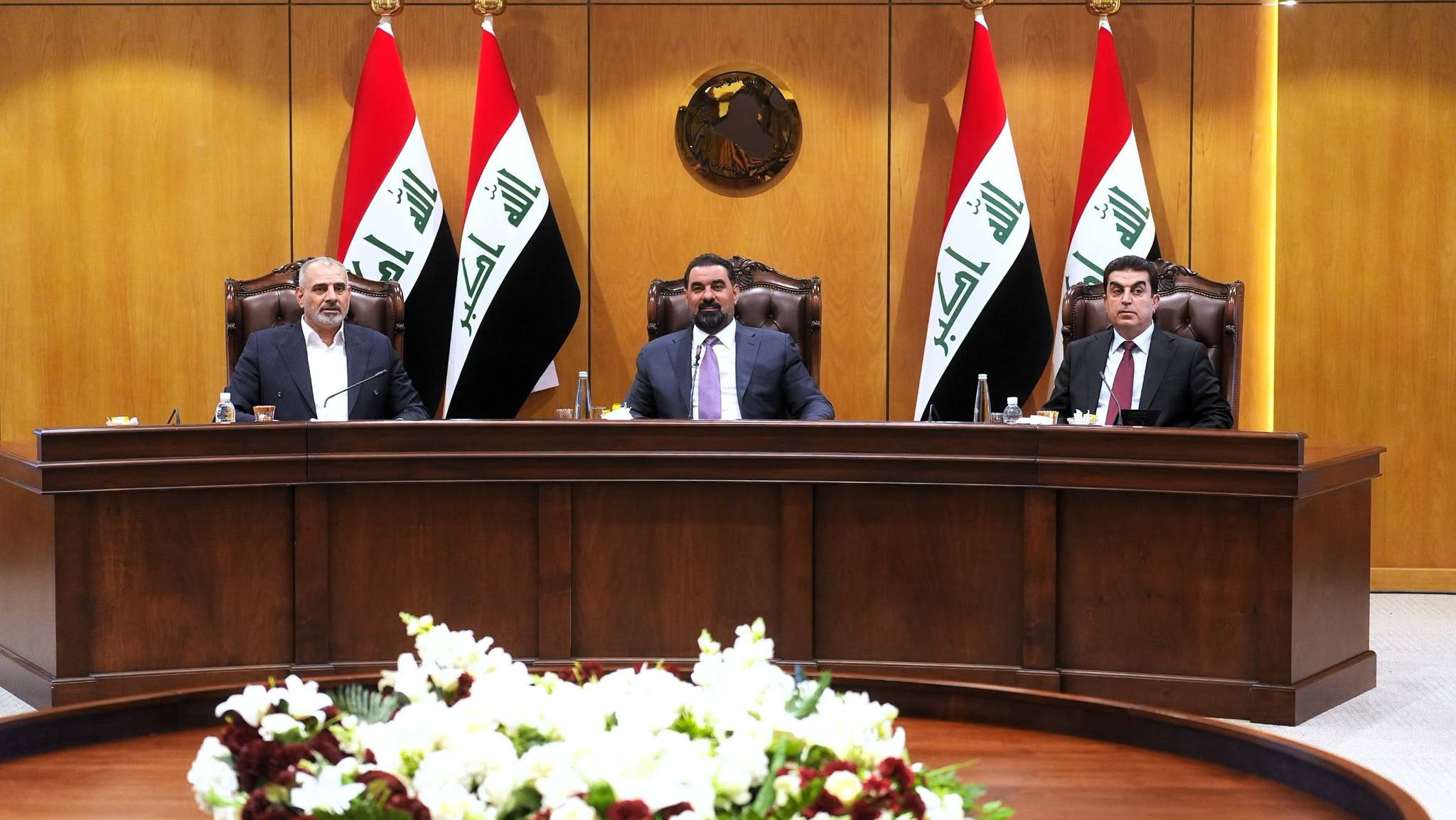
Speaker Haibat al-Halbousi met with defense, interior, and intelligence officials to review the Jurf al-Sakhar oil-smuggling report.
Officials followed up on existing measures and examined ongoing efforts to curb future smuggling operations.
A concurrent Coordination Framework meeting ended without an agreement, as leaders debated military action versus dialogue.
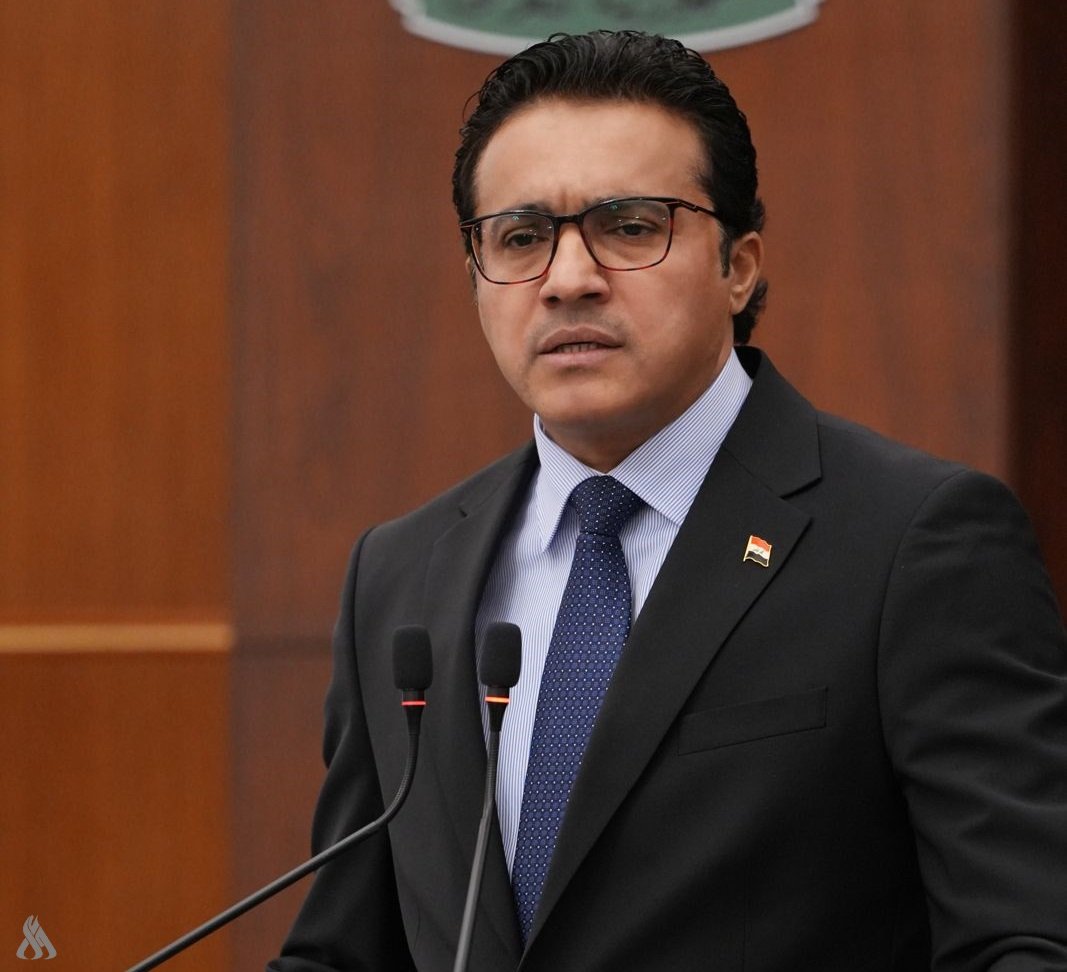
Iraqi Parliament Speaker Haibat al-Halbousi met with top defense, interior, and security officials to review an oil-smuggling report following a parliamentary inspection of Jurf al-Sakhar.
Key Statements and Focus Area
Parliament stated that “Speaker of the Council of Representatives, Mr. Haibat al-Halbousi, chaired the third meeting of the committee that entered Jurf al-Sakhar—formed pursuant to Parliamentary Order No. 198—on Monday.”
The meeting coincided with a gathering of Coordination Framework leaders, which concluded without an agreement on the planned military operation in Jurf al-Sakhar.
Senior officials attending al-Halbousi’s session included the ministers of defense and interior, the director of the armed forces commander-in-chief’s office, and top intelligence and federal security undersecretaries.
At the meeting, participants reviewed the investigative report on the oil-smuggling file and followed up on measures already taken in the case.
They also examined ongoing efforts to “protect oil wealth and combat and curb smuggling operations.”
Meanwhile, Iraq’s Coordination Framework held its 301st regular meeting on Monday evening, November 16, 2026, at the office of Islamic Supreme Council of Iraq Chairman Humam Hamoudi, with Prime Minister Ali Faleh al-Zaidi in attendance.
While Prime Minister Ali Faleh al-Zaidi insisted on reasserting federal control over the town, other leaders within the bloc advocated for resolving the crisis through dialogue.
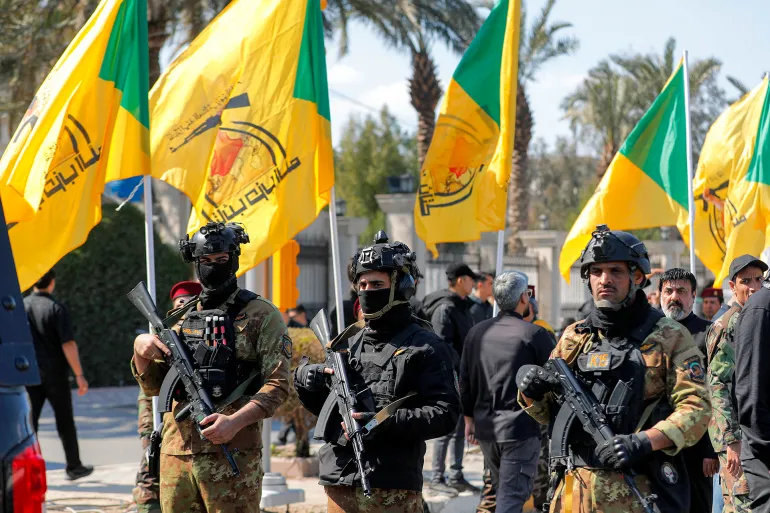
Separately, two Kataib Hezbollah sources told Channel8 the group refuses a government deadline to leave Jurf al-Sakhar and rejected oil-smuggling accusations. Regarding potential clashes if Iraqi forces move into the area, they added that the group opposes any bloodshed or armed confrontation.
FYI
Jurf al-Sakhar—officially renamed Jurf al-Nasr—is a strategic subdistrict south of Baghdad that has remained under the control of Kataib Hezbollah since being retaken from ISIS 12 years ago.
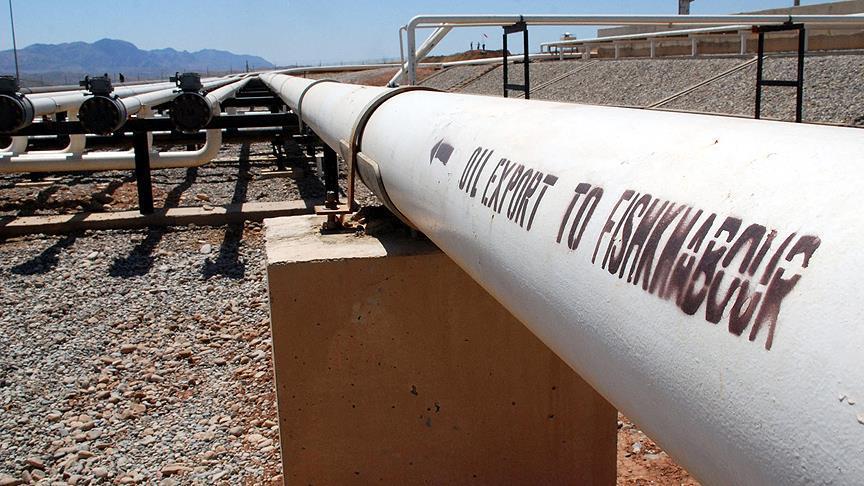
Tensions escalated earlier this month after federal intelligence findings alleged that an organized network was puncturing state-owned crude oil pipelines in the area and operating unauthorized refineries.
Following field inspections that confirmed pipeline tampering, Prime Minister Ali Faleh al-Zaidi dismissed nine senior security, intelligence, and oil officials on Saturday and referred those implicated to the judiciary.
Ahead of a reported Friday deadline for Kataib Hezbollah to withdraw, federal military reinforcements, including Counter-Terrorism Service and Rapid Response units, have deployed toward the area.
The standoff also unfolds amid Baghdad’s broader push to restrict weapons to state control and assert federal authority over armed factions.
Dive Deeper: Handpicked Stories for You
Follow Channel8 for continuous updates:
Kataib Hezbollah Rejects Jurf al-Sakhar Withdrawal, Denies Smuggling Claims
Nasr Alliance Backs Al-Zaidi, Urges Judiciary Action on Corruption
Coordination Framework Meeting Ends Without Consensus on Jurf al-Sakhar
.jpg)