New Map Outlines 26 Border Crossings Across Iraq and Kurdistan Region
At a Glance
- A new map outlines 26 critical trade and tourism gateways divided between Erbil and Baghdad.
- The federal government oversees 20 border crossings, while 6 crossings are under the authority of the Region.
- These land, air, and sea points form the primary source of administrative disputes over customs revenue control in Iraq.
- Erbil oversees 6 international lifelines, consisting of 4 land border crossings and 2 regional airports.
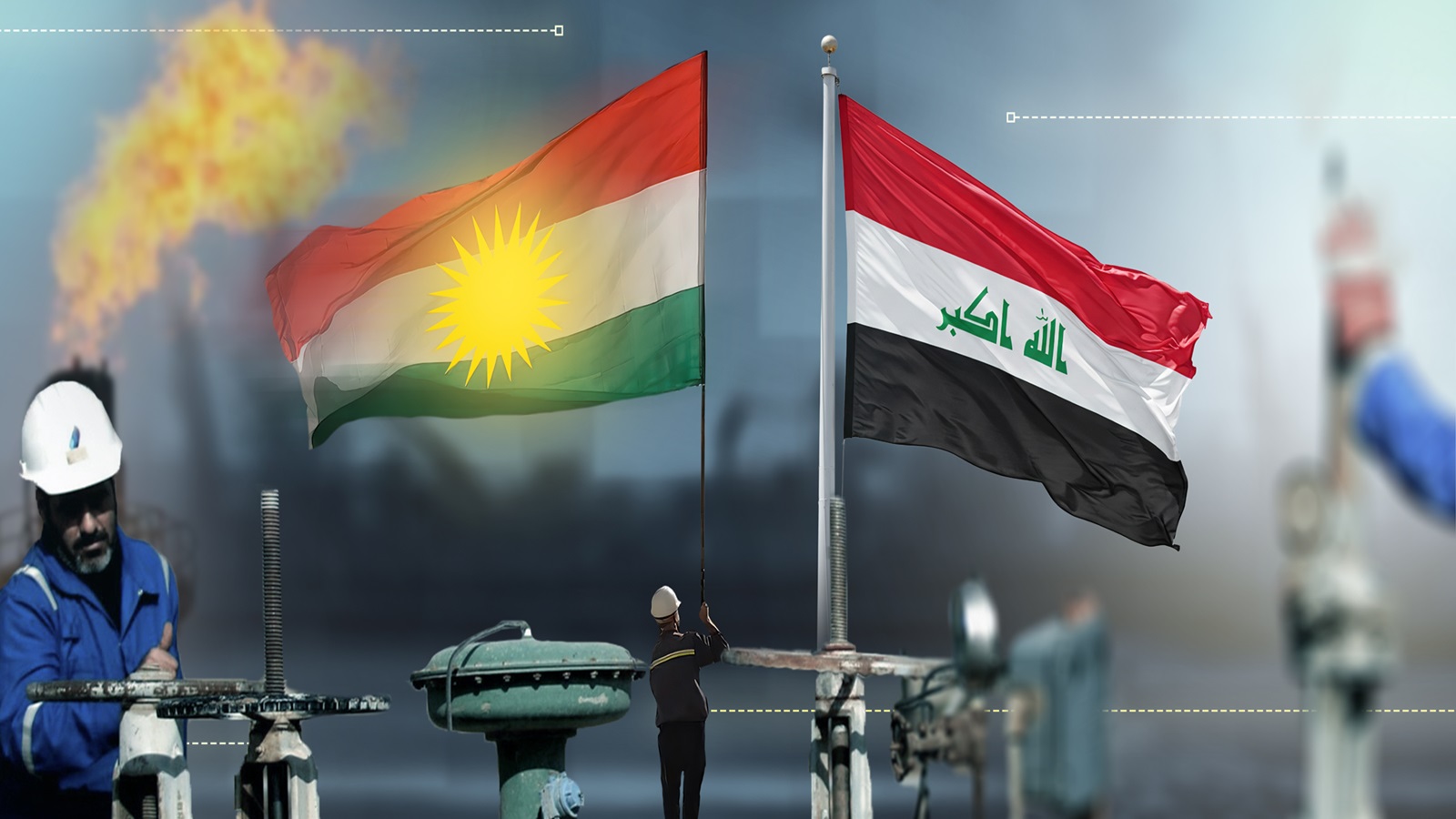
A new map details the administrative distribution of 26 strategic international border crossings across Kurdistan Region and Iraq, highlighting how operational control over the country's land, air, and sea gateways is shared between the Kurdistan Regional Government and federal government.
Key Statements and Focus Area
- The national map of border crossings illustrates the distribution of the 26 strategic commercial and tourism points between the KRG and the Iraqi government.
- These active land, air, and sea points connect Iraq to five neighboring states and international waters, remaining a central point of negotiation and friction regarding national customs collections.
The border crossings under the direct operational control of the federal government include the management of 12 land crossings.
These are divided into 5 crossings with Iran (Shalamcheh, Zurbatiyah, al-Sheeb, Munziriyah, Mandali), 3 with Syria (al-Waleed, Rabia, al-Qaim), 1 with Jordan (Trebil), 2 with Saudi Arabia (Arar, Jumaymah), and 1 with Kuwait (Safwan).
Baghdad also maintains full authority over 3 vital maritime ports in the Basra Governorate (Umm Qasr, Abu Flous, and Khor al-Zubair) along with 4 international airports acting as primary airspace gateways in Baghdad, Basra, Najaf, and Kirkuk.
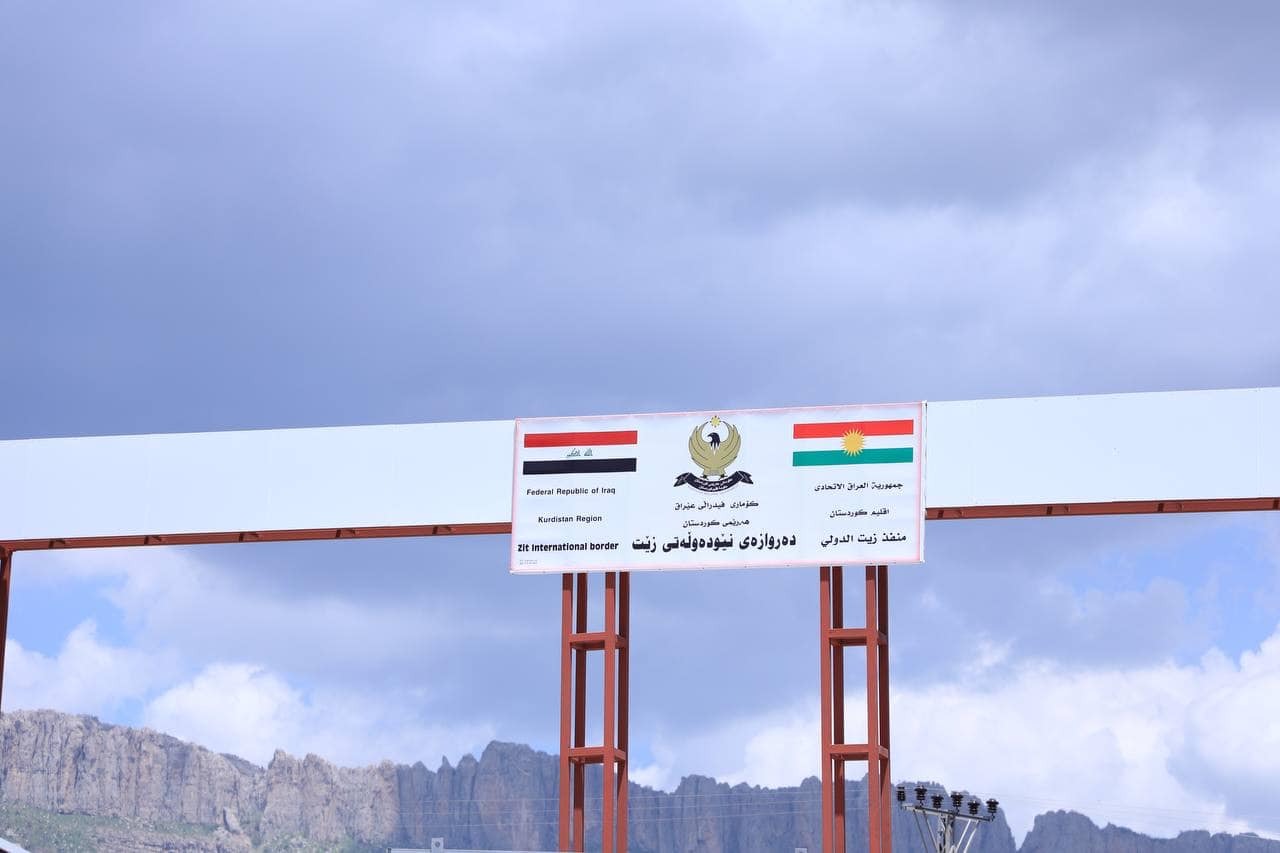
Meanwhile, the Kurdistan Region independently oversees 6 international gateways that function as commercial lifelines with neighboring countries. This infrastructure includes 4 land crossings, three of which connect to Iran (Bashmakh in Slemani, Parvizkhan in Garmian, and Haji Omaran in Soran) and the strategic Ibrahim Khalil crossing in Duhok connecting to Turkey.
Additionally, two international airports—Erbil International Airport and the Jalal Talabani International Airport in Slemani—remain active as the official airspace gateways under regional oversight.
FYI
The implementation of the UN-backed ASYCUDA digital customs network marks a significant step in Iraq's modernization of its border infrastructure.
While Baghdad has digitized its federal gateways in early 2026 the Kurdistan Region has experienced revenue drops due to implementation delays and double-taxation issues.
Following extensive negotiations between the KRG and Iraqi authorities, Erbil formally submitted a legal memorandum committing to the digital rollout.
A breakthrough was reached by the Ministerial Council for the Economy, establishing a unified 50-50 split of all non-oil border customs revenue collected at regional crossings.
As a condition of this system taking full effect, Erbil has demanded that Baghdad dismantle the restrictive internal customs checkpoints previously set up along regional borders in provinces like Nineveh and Kirkuk.
Kurdistan Region Minister of Trade and Industry Kamal Muslim Saeed informed Channel8 that technical challenges hindering the implementation of the ASYCUDA system are nearing a resolution, with only a few minor details remaining.
However, Minister Saeed noted that an official launch date for the automated customs network within the region has yet to be finalized.
Dive Deeper: Handpicked Stories for You
Follow Channel8 for continuous updates:
KRG Trade Minister: ASYCUDA issues near resolution; farmer funds delayed