Duhok Governor Calls Unilateral Shingal Move Bad Step
At a Glance
The Duhok governor condemned the recent independent security shifts in Sinjar, demanding the enforcement of the bilateral peace pact to safely repatriate displaced families.
He affirmed the territory's distinct Kurdish roots and argued that preserving the Yazidi population depends on their integration with the Kurdistan Region.
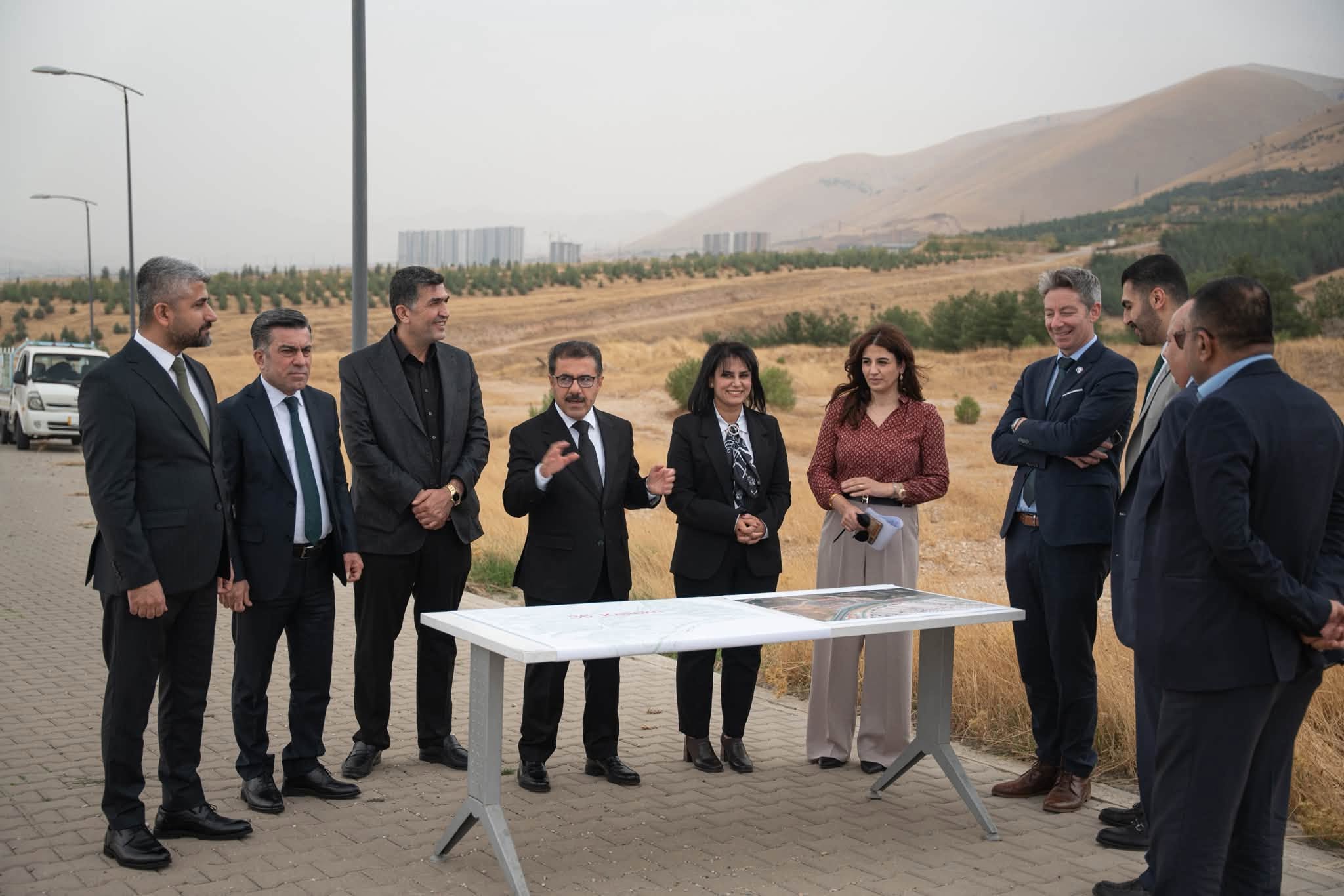
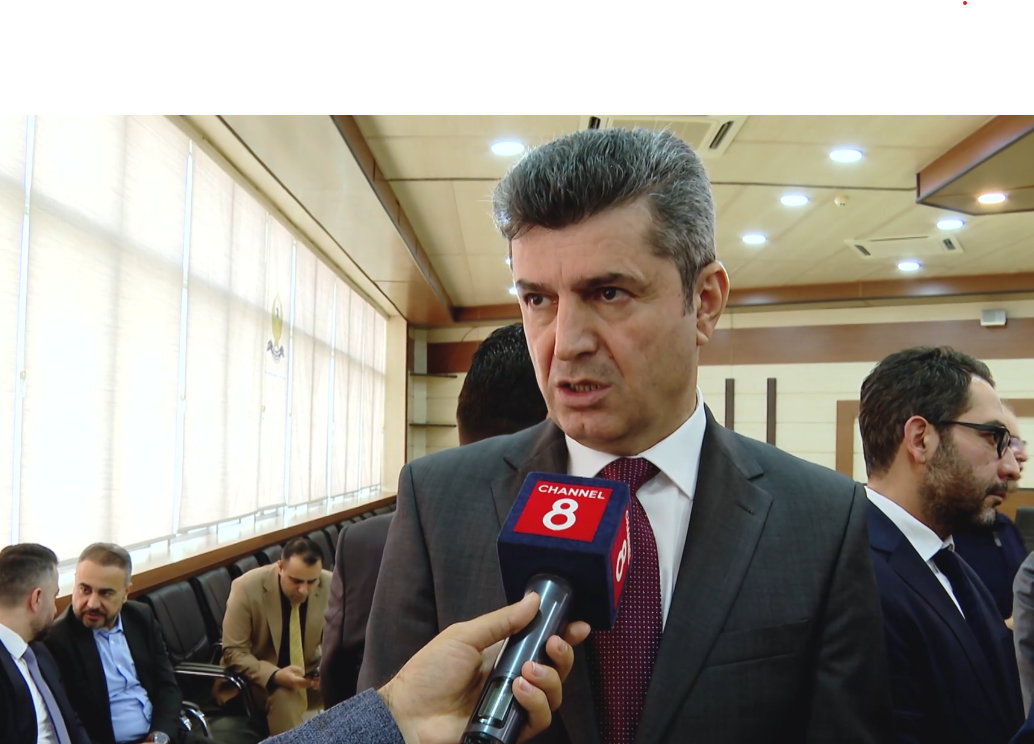
Duhok Governor Ali Tatar characterized recent unilateral developments in Shingal (Sinjar) as "a bad move," stressing that the overriding priority must be creating a stable environment to facilitate the voluntary return of displaced persons.
Key Statements and Focus Area
The Duhok Governor stressed that the developments in Shingal were carried out without coordination with the Kurdistan Regional Government to resolve the issue.
Tatar called for the implementation of the Shingal Agreement between the Kurdistan Regional Government and the federal government, so that the displaced persons can return and the camps in the Kurdistan Region can be completely closed.
Speaking to Channel8, Tatar emphasized that the district is a Kurdish region, and the people of Shingal are entirely Kurdish.
He highlighted that religious differences have no impact on national issues.
The governor added that guaranteeing the survival of the Yazidi community is fundamentally tied to their remaining with the Kurdistan Region.
FYI
Governor Tatar’s statement addresses a major security shift on the ground that has reignited long-standing political friction between Erbil and Baghdad.
The controversy stems from the Iraqi federal government's unilateral decision to integrate thousands of fighters from the local Shingal Resistance Units (YBŞ) into the official state military apparatus.
This integration has drawn fierce criticism from Kurdish leadership, who argue that making major security changes without consulting Erbil completely undermines the regional government's authority.
Furthermore, Kurdish critics emphasize that this move directly violates the UN-backed 2020 Shingal Agreement, a bilateral pact designed to ensure that all local governance and security frameworks are established jointly by both administrations.
The lack of joint cooperation has paralyzed essential reconstruction efforts in a district heavily devastated by conflict, leaving local infrastructure entirely broken.
Consequently, over 200,000 displaced Yazidis remain stranded in camps across the Kurdistan Region, unable to return to their homes due to the unstable environment.
Tatar's remarks reinforce Erbil's stance that the territory is ethnically and historically bound to Kurdistan, rendering external administrative changes illegitimate. Ultimately, Kurdish officials maintain that a safe, voluntary repatriation process for displaced families can only be achieved if Baghdad honors the bilateral peace pact and ceases unilateral operations in the district.
Dive Deeper: Handpicked Stories for You
Follow Channel8 for continuous updates:
2,500 YBŞ Members Will Join Iraqi Security Forces
Al-Numan: New Air Defenses Coming Soon to Secure Kurdistan Region
Nineveh Council Opens Nominations for Shingal District Governor
.webp)