COP31 Opens in Turkey as World Overshoots 1.5°C Climate Goal
At a Glance
UN climate talks have begun in Antalya, Turkey, with world leaders set to speak Monday.
Experts say global efforts are off track and warming is on course for far more than the 1.5°C target.
The US, the largest historic polluter, is not expected to take part.
The 31st UN climate conference opens in Antalya against a backdrop of accelerating warming, an energy crisis tied to the Iran war, and a deeply divided world.
Key Statements and Focus Area
Rockström on the Failure So Far: "We have failed so far." — Johan Rockström, Director, Potsdam Institute for Climate Impact Research.
Höhne on Who Pays: "The first one is who produces emissions (and) how much. That is difficult enough. But what is even more complicated is the other issue, and that is who pays." — Niklas Höhne, Co-founder, NewClimate Institute.
Focus Area: The COP31 climate talks and the struggle to follow through on pledges to move away from fossil fuels.
The world is now at 1.4°C of warming and heading toward 2.6°C, the UN has found, and the organization recently readjusted its decade-old 1.5°C goal because the threshold is being passed.
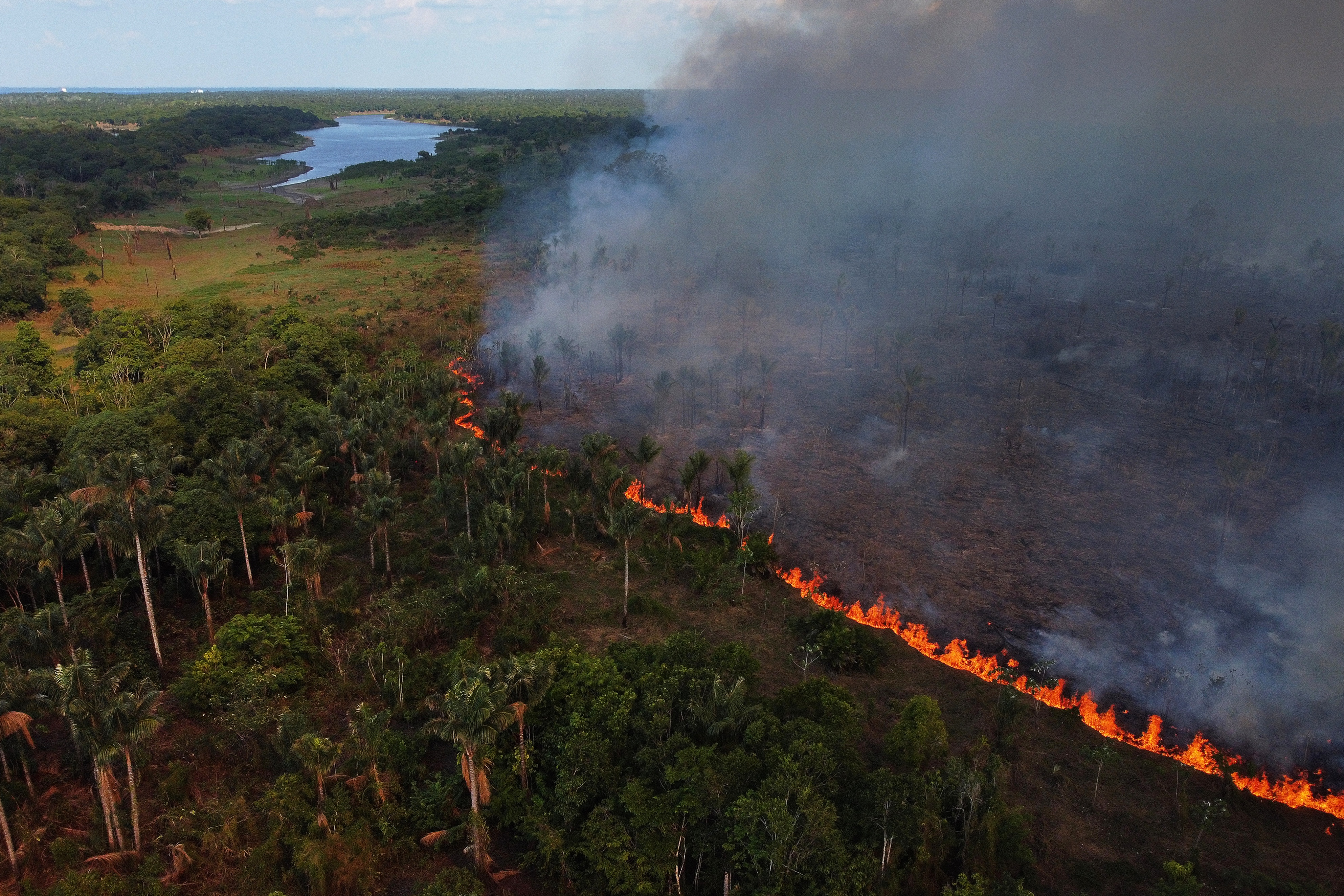
Rockström warned of more frequent floods, droughts, and storms, and of possible tipping points such as the collapse of the Amazon rainforest.
The conference is expected to focus on implementing promises to transition away from fossil fuels, which have rarely been named directly in final conference texts because decisions require consensus.
In April, 56 countries met separately to push for a phase-out, and Brazil, last year's host, released a voluntary road map this month. The UN estimates global fossil fuel subsidies reached $1.1 trillion this year.
Host Turkey is pushing a separate plan to raise electricity's share of global energy use from 21% to 35% by 2035, preferably through renewables.
Negotiators will also tackle how to deliver promised funds to poorer countries to adopt renewables, adapt and recover from climate damage, a task complicated by the US dropping out as the largest contributor.
Experts say the Strait of Hormuz closure has added pressure, with Power Shift Africa's Mohamed Adow saying the conference may not be able to respond sufficiently to present challenges.
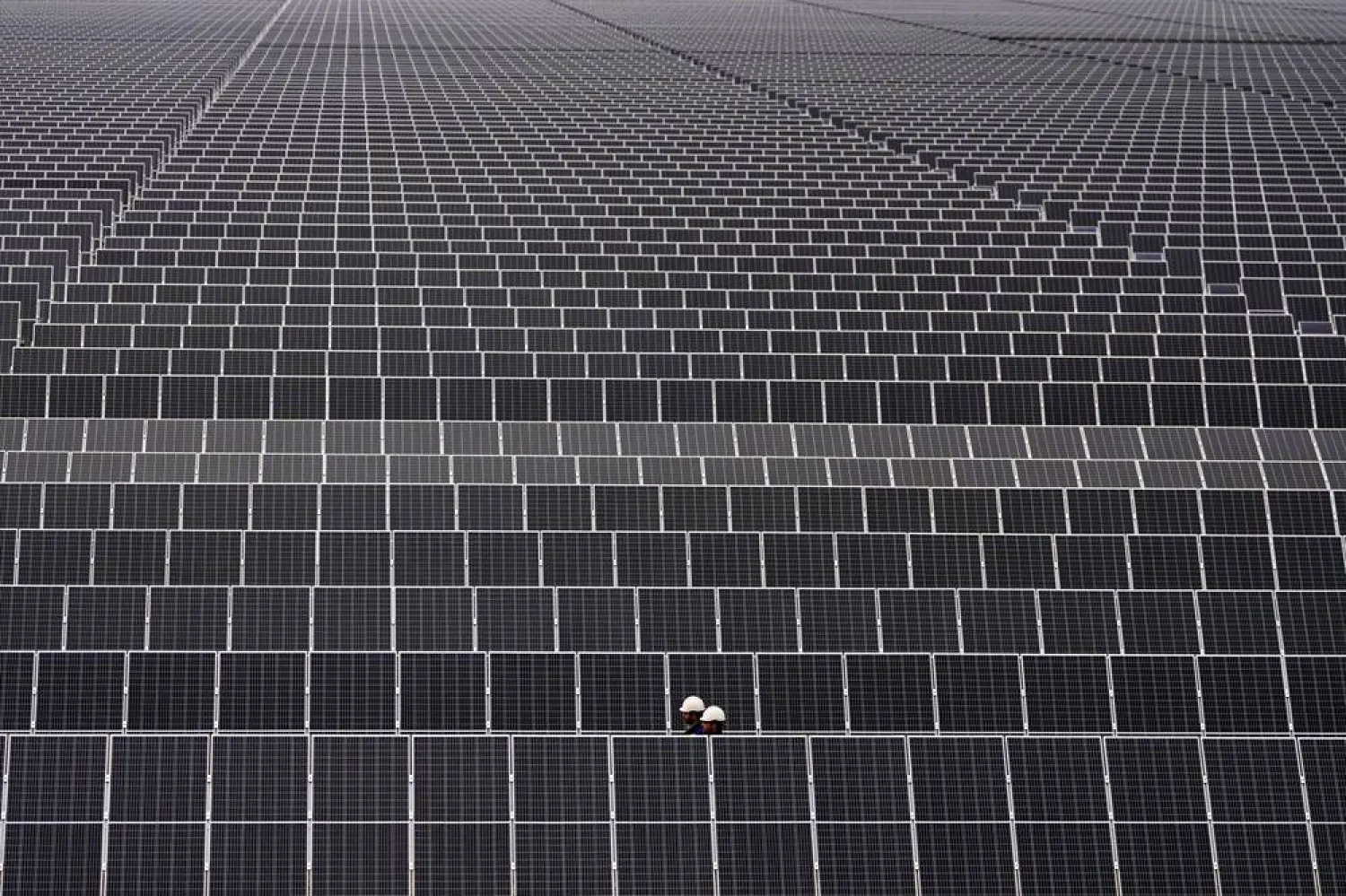
Hope rests largely on cheap solar and wind power and the growth of electric cars, with experts noting that renewables are developing faster than before.
Youth activists voiced growing frustration, with Barbados' Ashley Lashley saying politicians seem to be negotiating how much failure they will tolerate.
FYI
In 2015, nations set a goal of keeping warming below 2°C, with a preferred limit of 1.5°C, when the world was on track for around 4°C. COP30 was hosted by Brazil last year, and the US skipped that conference and is not expected to attend this year.
Observers describe the talks as unfolding amid three overlapping stories: accelerating warming, a world using both fossil fuels and renewables to meet rising demand from AI, and energy shocks from wars in Ukraine and Iran.
Dive Deeper: Handpicked Stories for You
Follow Channel8 for continuous updates:
Hong Kong Records Hottest October Ever Amid Global El Nino Warming
New Bolivian Wildlife Reserve Protects Vital Amazon Corridor