Al-Zaidi and Al-Sharaa Discuss Trade, Energy, and Border Security
At a Glance
The Iraqi PM and Syrian President co-chaired expanded bilateral talks in Damascus.
Discussions centered on resuming Iraqi oil exports via the Baniyas pipeline.
Both sides committed to boosting trade and joint agricultural integration.
The leaders emphasized securing borders and aligning diplomatic positions.
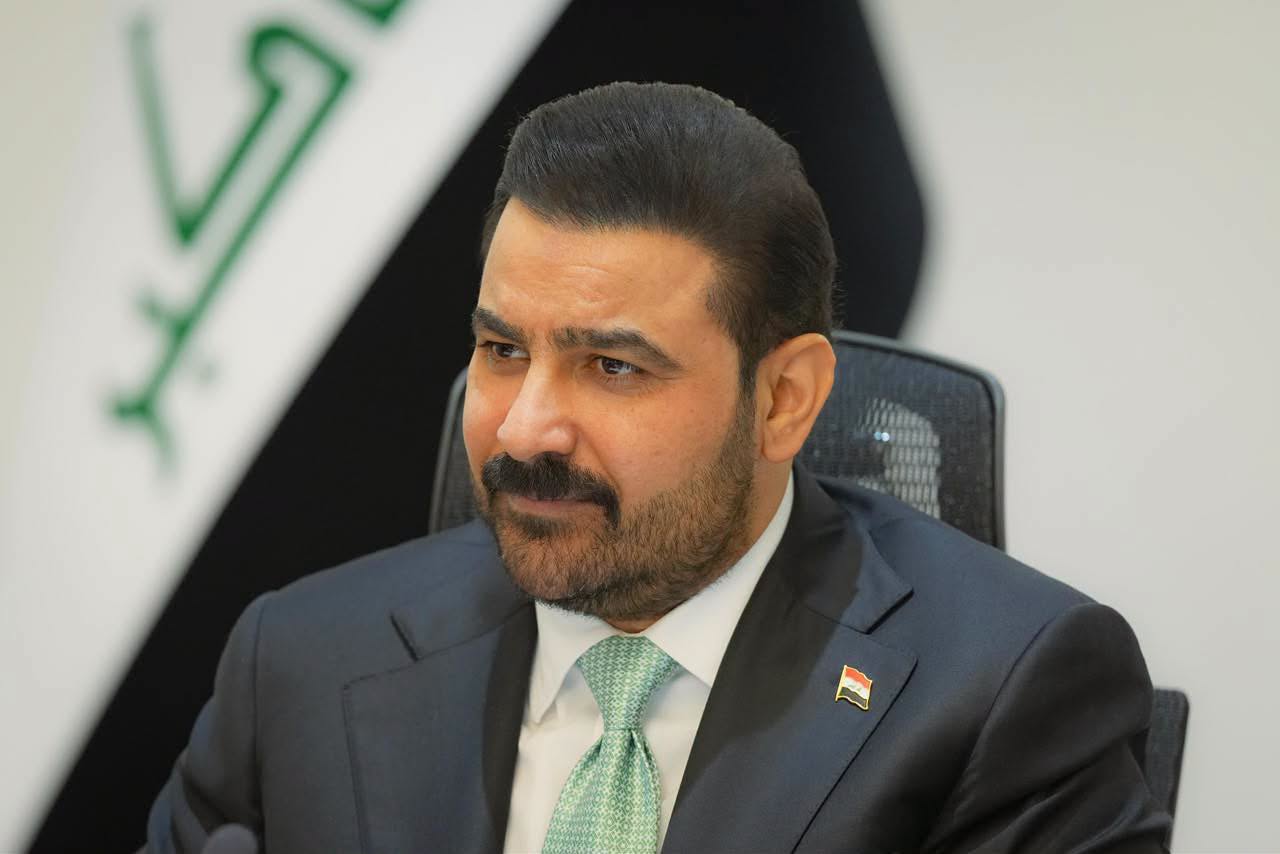
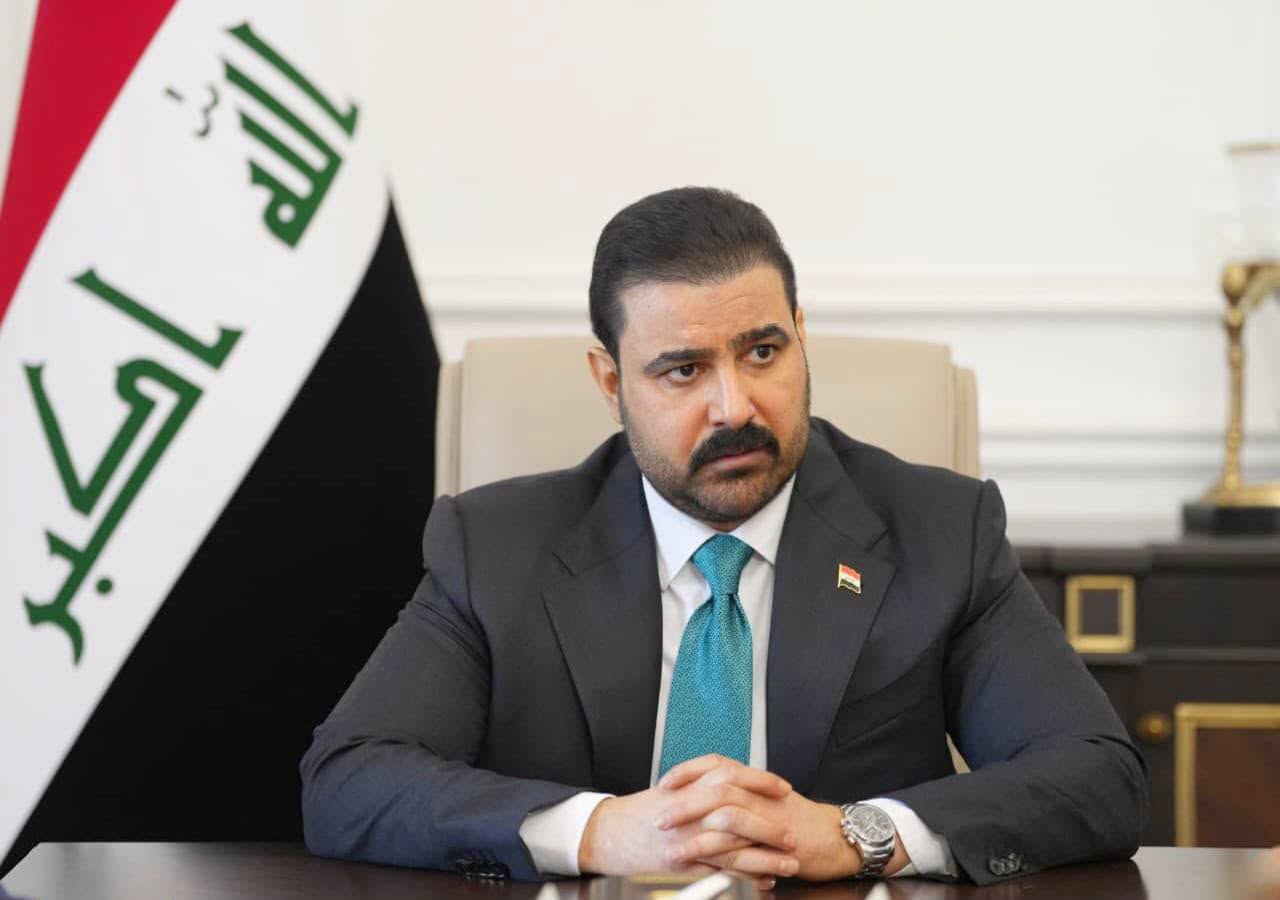
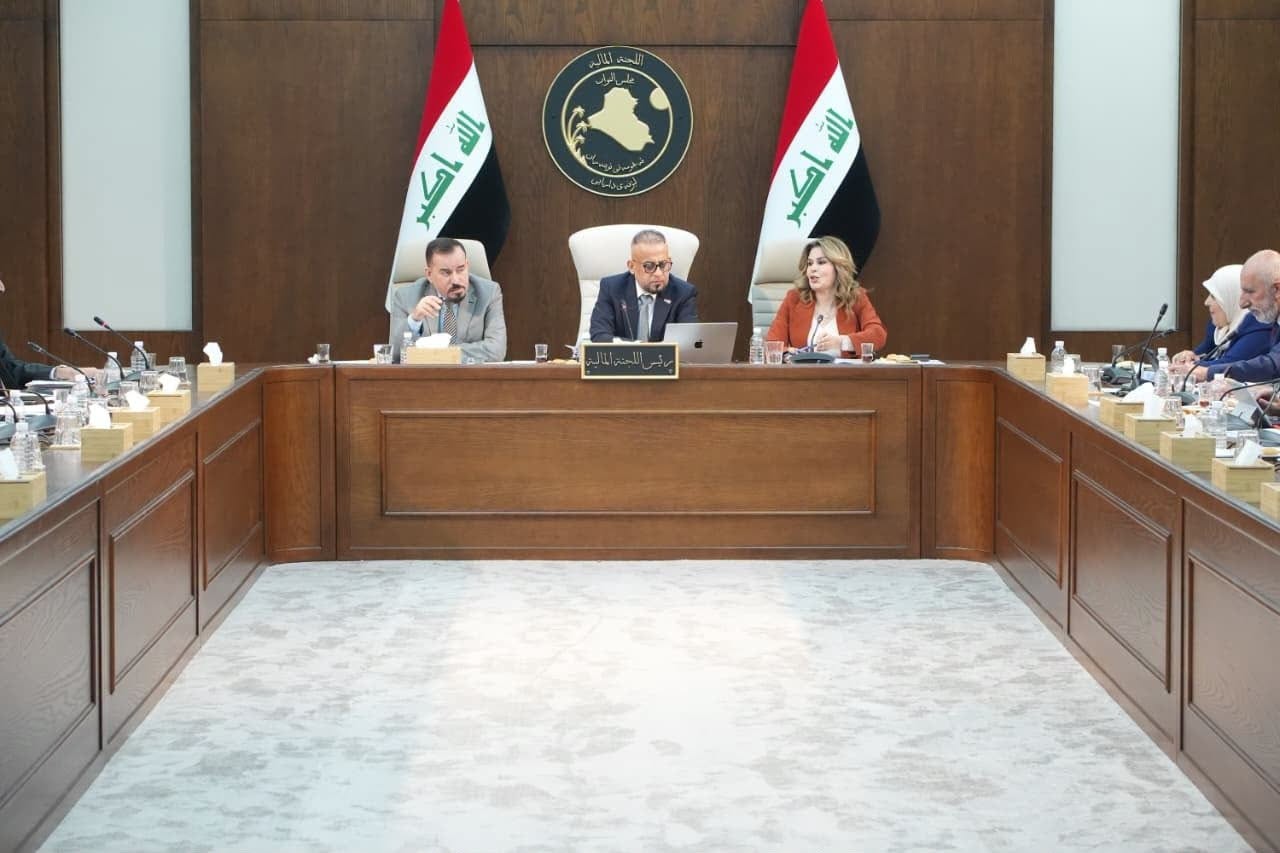
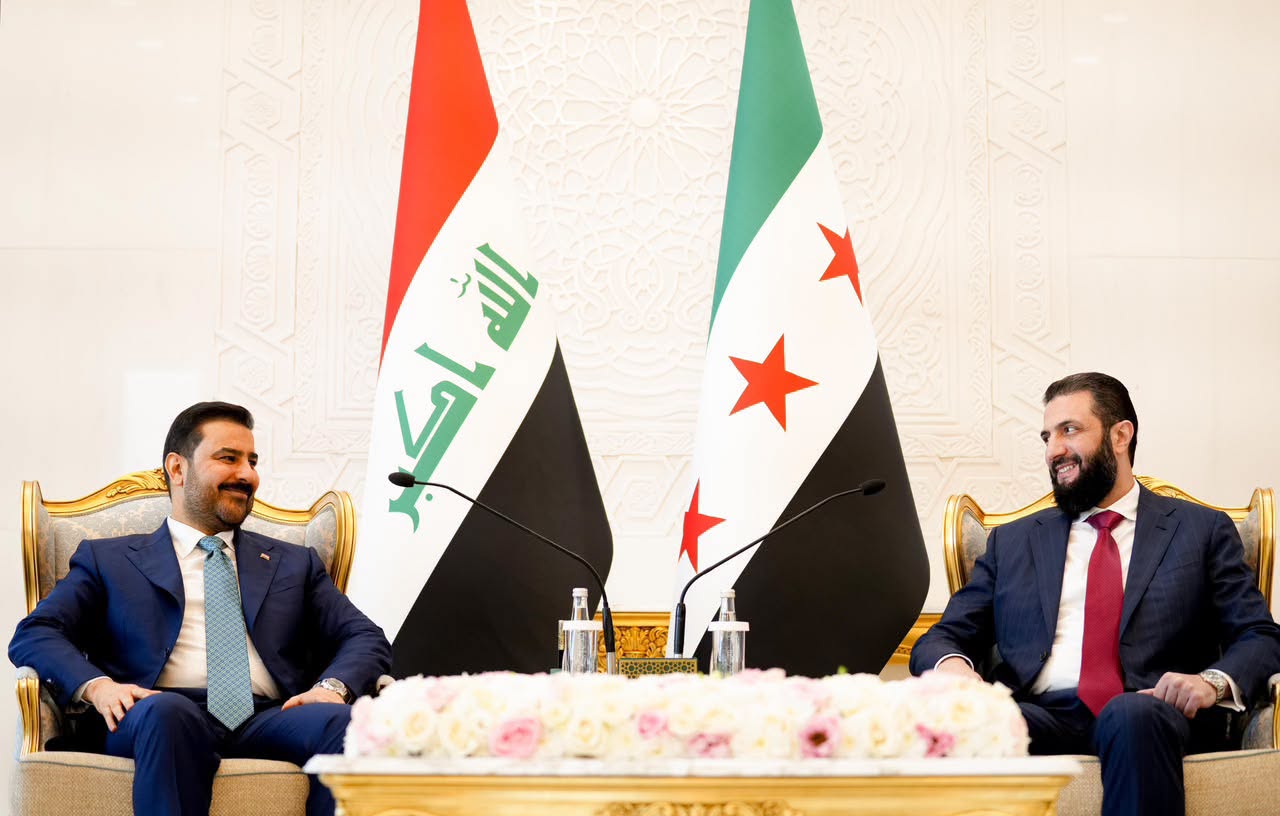
Iraqi Prime Minister Ali Faleh al-Zaidi and Syrian President Ahmad al-Sharaa co-chaired expanded bilateral talks in Damascus on Wednesday to advance economic integration, secure border cooperation, and discuss exporting Iraqi oil through the Baniyas pipeline.
Key Statements and Focus Areas
The Iraqi Prime Minister's Media Office stated that al-Zaidi “affirmed that the Iraqi and Syrian peoples are one people in two countries.”
According to the Prime Minister's office, the two sides discussed several key issues, focusing on oil files and bilateral economic relations.
During the meeting, al-Zaidi emphasized efforts to advance joint cooperation and strategic partnerships across various sectors, focusing heavily on economic and social development alongside enhanced security coordination.
He also underscored the importance of aligning positions on regional and international issues to actively promote peace and stability across the region.
The Syrian President “expressed his deep appreciation for the visit of Prime Minister al-Zaidi and his accompanying delegation, affirming the depth of bilateral relations and Syria’s keenness to achieve the highest levels of cooperation between the two countries.”
The leaders discussed a range of critical files, including the resumption of Iraqi oil exports through the Baniyas pipeline at a capacity of up to two million barrels per day.
They also explored mechanisms to boost trade volumes and launch joint agricultural initiatives aimed at achieving full food and economic integration.
Prior to the visit, Iraqi Government spokesperson Haider al-Aboudi told state-run media that the high-level meeting is “to strengthen ties between the two countries in service of the interests of the two brotherly peoples.”
The spokesperson said the meeting also “reflects the Iraqi government's approach of openness, balance, and dialogue, and its keenness on a positive relationship with Damascus based on mutual respect and common understanding to support the security and stability of the two neighboring countries.”
FYI
Channel8 reported yesterday that the discussions between the Iraqi Prime Minister and the Syrian President will focus on normalizing and strengthening bilateral relations, with a heavy emphasis on critical energy portfolios, border security, counter-terrorism, and combating smuggling.
The discussions prioritized securing alternative oil export routes for Iraq amid ongoing disruptions in traditional transit corridors.
The long-term project involves rehabilitating the historic Haditha-Baniyas pipeline to reach an export capacity of up to two million barrels per day.
This provides Iraq with a critical maritime exit to international markets directly via Syria's Mediterranean coast.
To address immediate energy needs during this reconstruction phase, both nations are coordinating transport operations to move crude oil across the border using tankers.
Securing the volatile 600-kilometer Iraq-Syria border is vital for both nations to disrupt active smuggling rings and eliminate persistent counter-terrorism threats from Islamic State remnants hiding in the desert terrain.
To achieve this stability, recent efforts have focused on reinforcing physical border barriers and centralizing security operations under official state institutions.
Bilateral economic relations have experienced substantial growth, characterized by thousands of commercial trucks and freight shipments crossing open checkpoints over the past several months.
To capitalize on this momentum, the delegations discussed expanding trade volumes and investing heavily in joint agricultural projects. These economic initiatives are designed to foster long-term food security and transform geographical proximity into institutionalized partnerships for investment and regional development.