Restoration at Hagia Sophia Uncovers Underground Spaces and Tunnels in Istanbul
At a Glance
Restoration work at Hagia Sophia has revealed six underground spaces linked by nine tunnels.
Some remains may predate the 6th-century basilica.
Turkey is considering opening parts of the network to visitors.
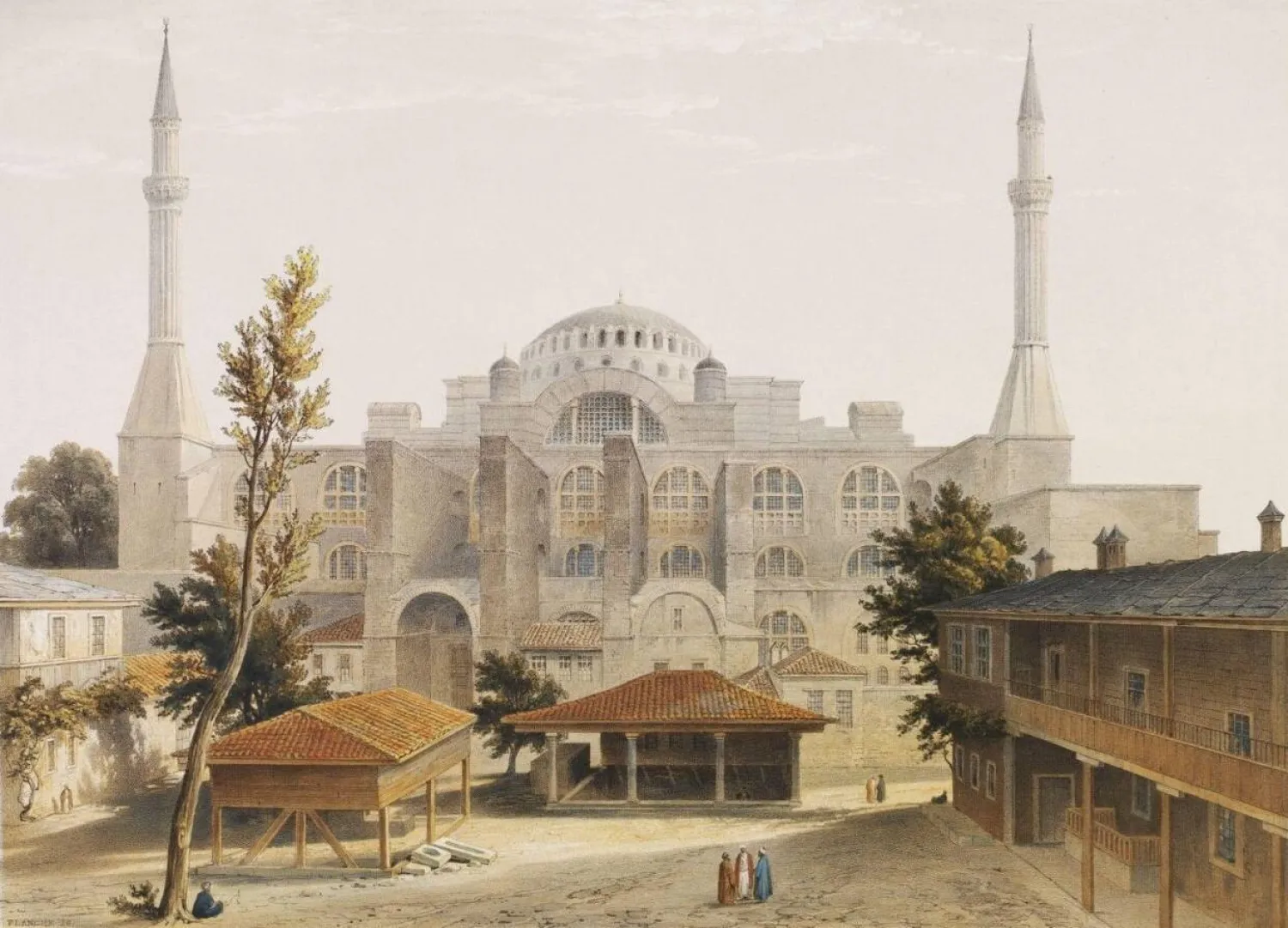
Restoration work at Istanbul's Hagia Sophia is uncovering galleries, ancient water networks, and architectural remains beneath the monument, some of which may date to before the present basilica was built.
Key Statements and Focus Area
Culture Minister on the Findings: Excavation went 1.5 meters below the mud-covered floor level and revealed traces of an earlier building phase. — Mehmet Nuri Ersoy, Turkish Minister of Culture and Tourism.
Culture Minister on Public Access: A special plan is being prepared to present the underground structures, with protection of the monument and visitor safety as key conditions. — Mehmet Nuri Ersoy.
Focus Area: The underground discoveries at Hagia Sophia and plans for their use.
Six underground spaces have been identified in the western garden, connected by nine tunnels. Three of the spaces were most likely underground parts of the old atrium.
Seven tunnels have been cleared of backfill, and the other two are being recorded and documented.
In total, 420 meters of tunnels have been cleaned, and the longest, at 180 meters, is being examined to see whether it connects to the so-called Roman Road of Constantinople.
Scientists believe the tunnels were part of a wider system for managing the city's water, distributing water and removing rainwater. About 3,000 tons of soil have been removed.
The work also includes repairing vaults, stabilizing masonry, and reinforcing damaged sections.
Specialists are studying whether the galleries could improve ventilation, as the existing underground opening covers only 3.6% of the monument's needs.
No secure dating of the new remains has been announced, and whether they predate the current church remains under scientific investigation. CNN Türk aired images of the galleries for the first time.
FYI
The present Hagia Sophia was built under Emperor Justinian between 532 and 537 on the site of older Christian churches.
It has dominated the historic core of Constantinople for almost fifteen centuries and remains the subject of ongoing archaeological and architectural research.
Dive Deeper: Handpicked Stories for You
Follow Channel8 for continuous updates:
Groundbreaking 7,000-Year-Old Architectural Roof Remains Unearthed In Kurdistan
Excavations at Kabul's Bala Hissar Fortress Unearth Over 2,000 Years of History
Roman Jewelry Workshop Found Under New Housing Estate in Wales
.jpg)