Germany Sees Youth Protests for Better Education and Lower Living Costs
At a Glance
Thousands of people joined youth-led demonstrations across Germany on Saturday, demanding better education and lower living costs.
The “Gen Z Regelt” movement organized protests in 34 cities, including Berlin, Frankfurt and Munich.
The group opposes compulsory military service and calls for greater investment in education.
Turnout fell well short of organizers’ initial expectations, with police reporting around 6,000 demonstrators in Berlin, Frankfurt and Munich combined, compared with approximately 36,000 reported by organizers on their website.
Thousands of people took to the streets across Germany on Saturday in youth-led demonstrations calling for better education, lower living costs and opposition to compulsory military service, as the country faces economic pressures and growing demands on public services.
Key Statements and Focus Areas
Youth-Led Movement
The demonstrations were organized by Gen Z Regelt, a movement whose name translates roughly as “Gen Z takes charge.” Protests were planned in 34 cities, including Berlin, Frankfurt and Munich.
The group’s main demands include:
Greater investment in education.
Opposition to compulsory military service.
Measures addressing rising living costs for young people.
Turnout Below Expectations
Official figures cited in the supplied report indicated that participation was substantially lower than organizers had initially anticipated.
Police in Berlin, Frankfurt and Munich reported around 6,000 demonstrators in total, while organizers listed approximately 36,000 participants on their website. These figures reflect different sources and should not be treated as independently verified estimates of the same count.
Public Order Concerns
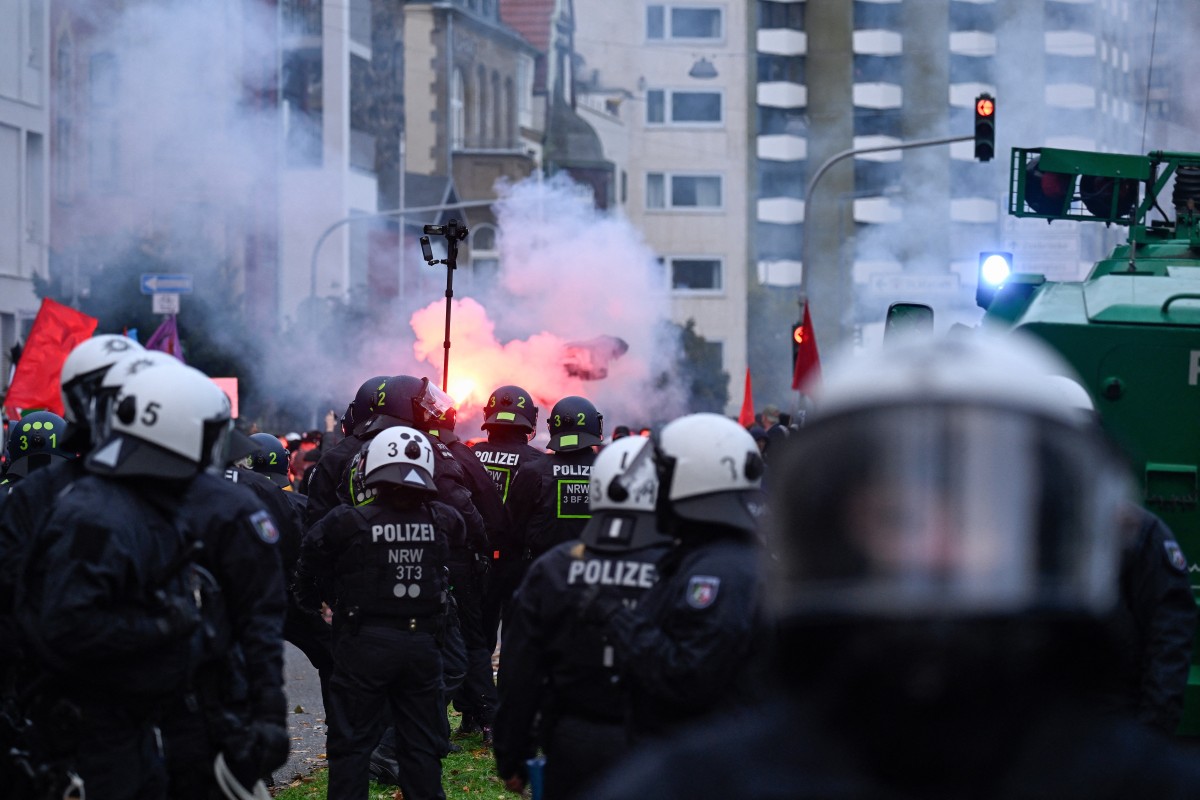
German authorities expected the demonstrations to remain largely peaceful but warned that extremist groups could attempt to exploit the movement. Some businesses in major cities took precautionary measures, including boarding up shopfronts and planning early closures.
Thousands of people demonstrated across Germany on Saturday as a youth-led movement called for improvements to education, lower living costs and an end to compulsory military service.
The protests, organized by Gen Z Regelt, were planned in 34 cities, including Berlin, Frankfurt and Munich. The demonstrations followed a wave of youth-led protests across Europe this year, with participants raising concerns about economic pressures, public services and opportunities for younger generations.
The movement also opposes compulsory military service and is calling for greater investment in education. Its demands come as Germany struggles to revive economic growth and faces pressure on its pension system and public services amid a shrinking working-age population.
Turnout was lower than organizers had initially forecast. Figures cited in the report showed that police in Berlin, Frankfurt and Munich counted around 6,000 participants combined, compared with approximately 36,000 reported on the organizers’ website.
Authorities said they expected the demonstrations to be largely peaceful but warned of possible attempts by extremist groups to exploit the gatherings. Some businesses took precautions ahead of the protests, including boarding up windows and preparing to close early. In Berlin, concerns extended to the Kurfürstendamm shopping district.
The demonstrations also reflect a wider debate in Germany over public spending priorities, including how to fund education and public services while addressing economic challenges and questions about national defense.
FYI
The protests highlight the concerns of younger Germans over the cost of living, education and compulsory military service at a time when the country is under pressure to revive growth and sustain public services. Their demands also reflect a broader European trend of youth-led mobilization, although the scale and political impact differ from country to country.
Turnout in Germany was below the organizers’ initial expectations, based on the figures in the supplied report. The movement’s longer-term influence will depend on whether it can maintain participation, build broader support and translate its demands into policy debate.
Dive Deeper: Handpicked Stories for You
Follow Channel8 for continuous updates:
France Deploys 70,000 Police for Halloween Protests Amid Unrest Fears