European Protests Ease in France, Turn Violent in Germany
At a Glance:
Mass protests over living costs continued across Europe over the weekend.
Violence was lower in France than in previous weeks.
Police in several countries are preparing for more demonstrations.
French authorities voiced relief Sunday after weekend protests over rising living costs saw less violence than in previous weeks, while unrest in parts of Germany and Portugal showed the movement is far from over.
Key Statements and Focus Area:
Germany's Response to the Riots: "I am shocked by the violent excesses in Frankfurt, which will not go unpunished." — Boris Rhein, Governor of Hesse.
Organizers Distance Themselves: The youth initiative "Gen Z regelt" said it rejects "any form of violence, as well as violent acts by other groups or individuals" not part of its demonstrations. — Statement by "Gen Z regelt" on Instagram.
Focus of the Article: The article centers on the latest weekend of youth-inspired cost-of-living protests across Europe, with France bracing for renewed demonstrations as schools reopen.
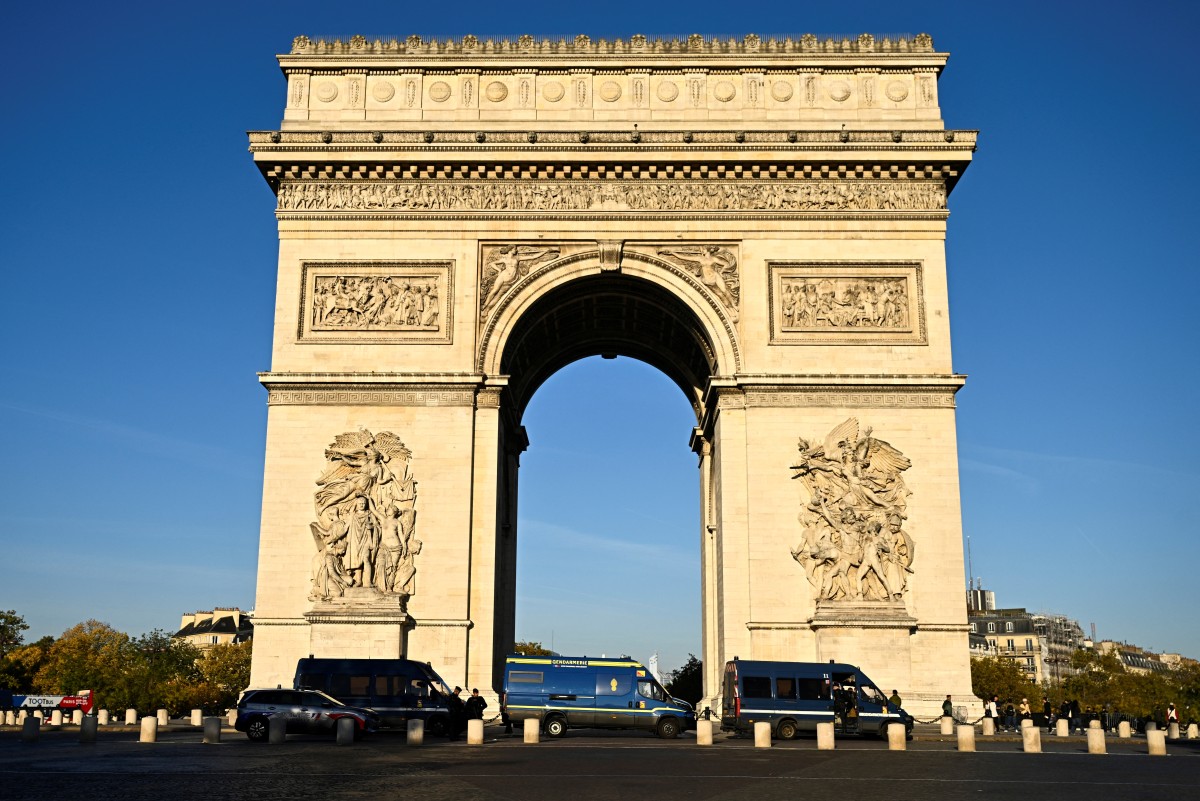
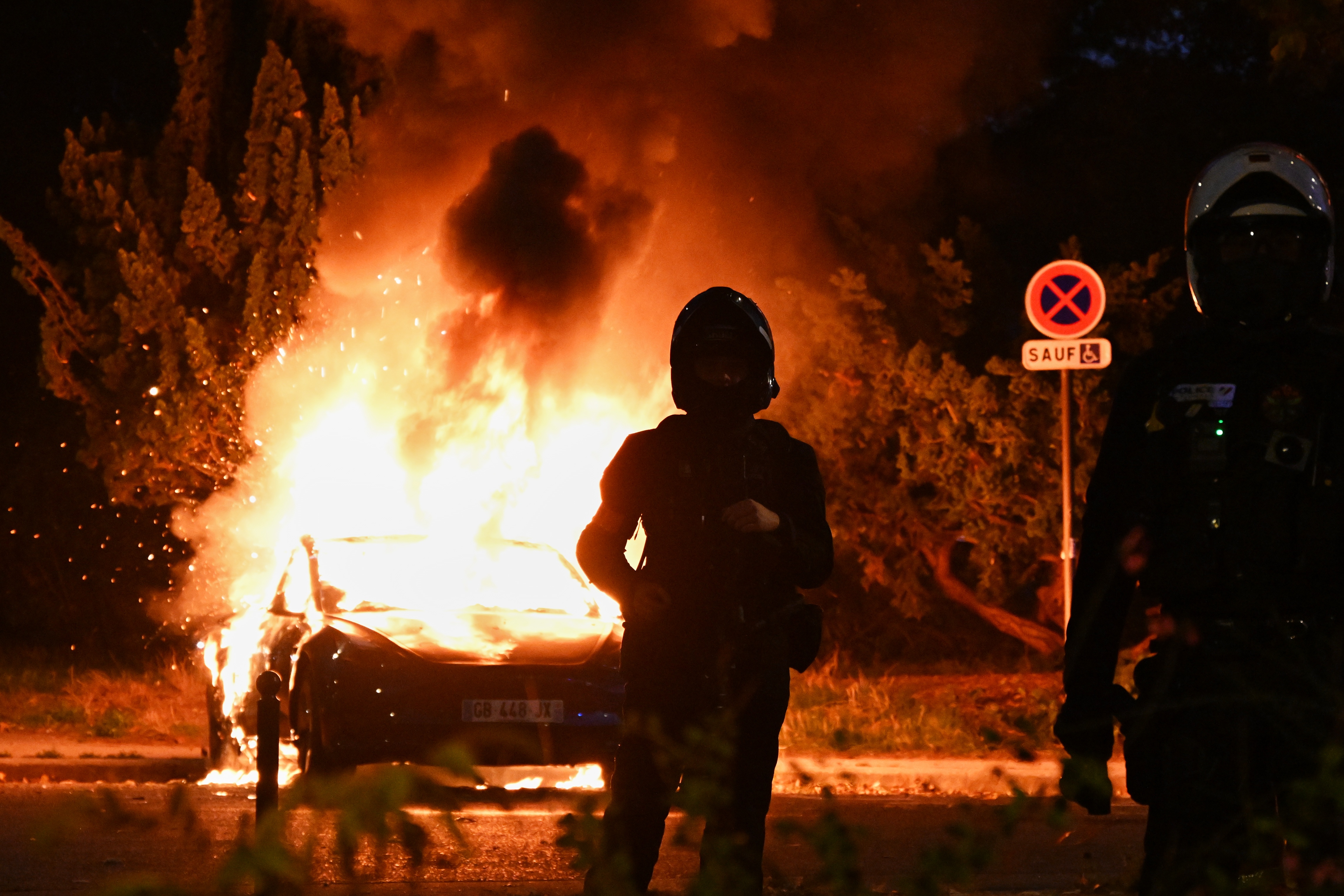
In France, about 70,000 police were deployed, and 779 people had been arrested by Saturday night, far fewer than the 2,628 on Oct. 17 and 1,314 the previous weekend. Even so, rioters in Paris threw Molotov cocktails, injuring three officers and burning a car, and masked groups hurled fireworks at police near the Eiffel Tower, sending tourists fleeing. Authorities expect more tension as high schools reopen Monday and student groups and unions call for new protests Tuesday and Thursday.
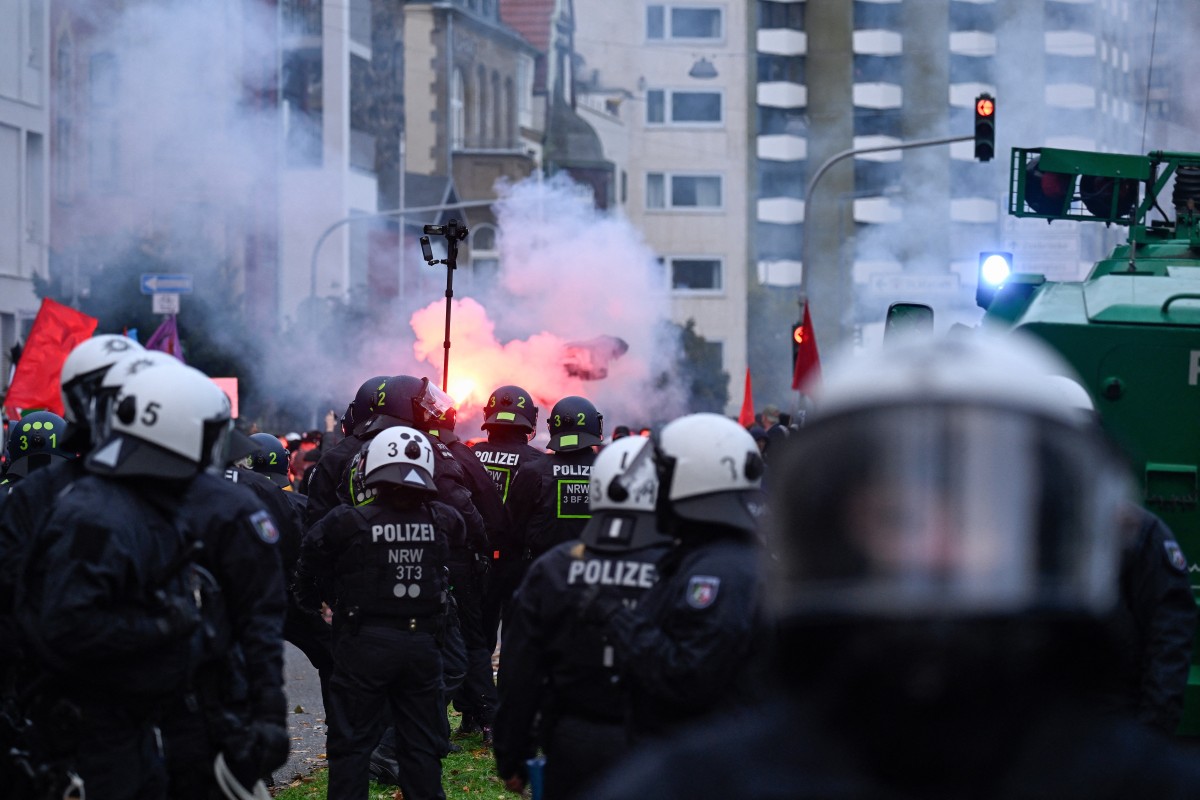
In Germany, more than 100,000 mostly young people marched peacefully for more spending on education, housing, and climate protection. At night, rioters looted stores in Frankfurt, where 30 people were detained; police used water cannons in Cologne, and protesters threw bottles and fireworks at officers in Berlin. Interior Minister Alexander Dobrindt blamed “violent left-wing groups and troublemakers from the immigrant community” for hijacking the marches.
In Portugal, thousands marched in Lisbon for affordable housing, and riot police cleared a few hundred people who camped overnight in Rossio Square.
FYI
The protests were driven largely by young people frustrated by rising living costs, especially housing, and by concerns over education and public services. France's wave of unrest peaked on Oct. 17, when a city hall was torched and more than 2,000 stores were looted in hours of violence that authorities appeared unprepared to control. Similar movements have spread across Europe in recent weeks, with France's government already under pressure over public debt and deteriorating services.
Dive Deeper: Handpicked Stories for You
Follow Channel8 for continuous updates:
France Deploys 70,000 Police for Halloween Protests Amid Unrest Fears
Macron Promises Measures as French Protests Raise Fears of Further Unrest