Economic Expert Outlines Mass Borrowing Plan to Cover Iraq's 2027 Budget Deficit
At a Glance
Iraq plans to secure 38 trillion dinars in loans to cover the deficit gap.
Prominent Iraqi economist al-Marsumi revealed that internal and external borrowing will fund 88% of the entire fiscal shortfall.
Domestic borrowing will form the bulk of the debt package, relying heavily on Treasury bills, bonds, and government bank loans.
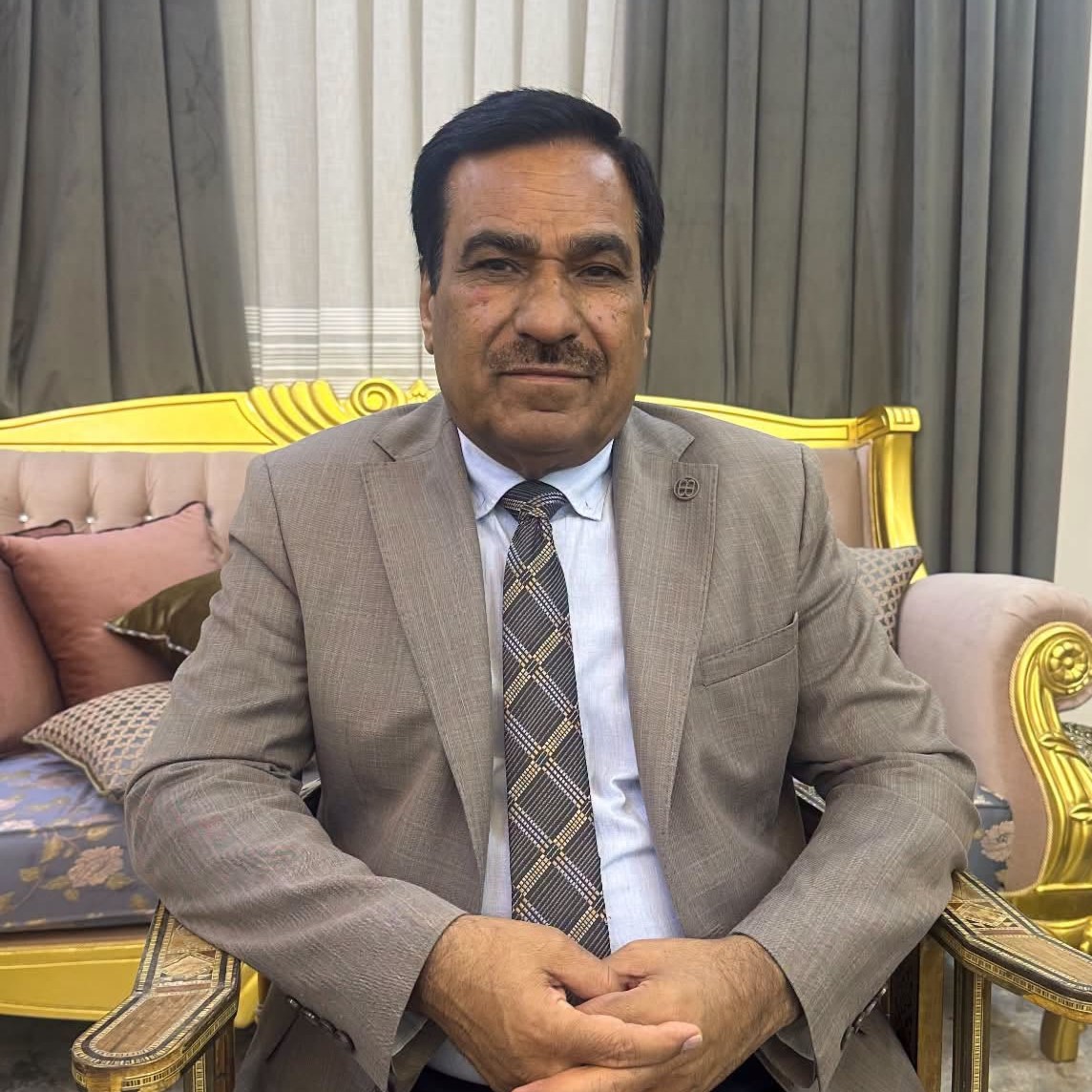
Prominent Iraqi economic expert Nabil al-Marsumi has disclosed on Wednesday that Iraq plans to secure roughly 38 trillion dinars in domestic and foreign loans to bridge a massive 43 trillion dinar deficit gap in its upcoming 2027 federal budget.
Key Statements and Focus Area
The statistical breakdown by al-Marsumi indicates that Iraq will lean heavily on domestic financial markets to sustain its public spending commitments for the 2027 fiscal year.
Internal borrowing mechanisms are projected to bring in 21.734 trillion dinars, driven primarily by the issuance of 14.743 trillion dinars in Treasury bills.
The remaining internal debt portfolio will be raised through 5 trillion dinars in government bonds alongside 2 trillion dinars in direct loans sourced from state-owned commercial banks.
To supplement the domestic debt drive, Baghdad is simultaneously advancing plans to secure 16.156 trillion dinars through international credit lines.
Al-Marsumi detailed that this external financing pool will be divided into 8.421 trillion dinars in newly requested foreign loans alongside 7.735 trillion dinars in continuous, pre-existing loan programs.
Financial analysts warn that this dual-track accumulation of debt underscores the severe liquidity strains pressing against the state's budget architecture amid volatile crude oil revenues.
FYI
Iraq's immediate financial landscape has severely deteriorated through late 2026 due to an ongoing contraction in oil export capabilities.
According to official Ministry of Finance figures released by Channel8, Iraq recorded a massive 33.579 trillion dinar budget deficit during the first eight months of 2026.
This translates to an average monthly shortfall of 4.197 trillion dinars. The primary driver behind this liquidity crunch is the rigid composition of government spending; out of total public expenditures of 78.933 trillion dinars, operational costs—primarily public sector salaries and pensions—consumed a staggering 96% of the budget.
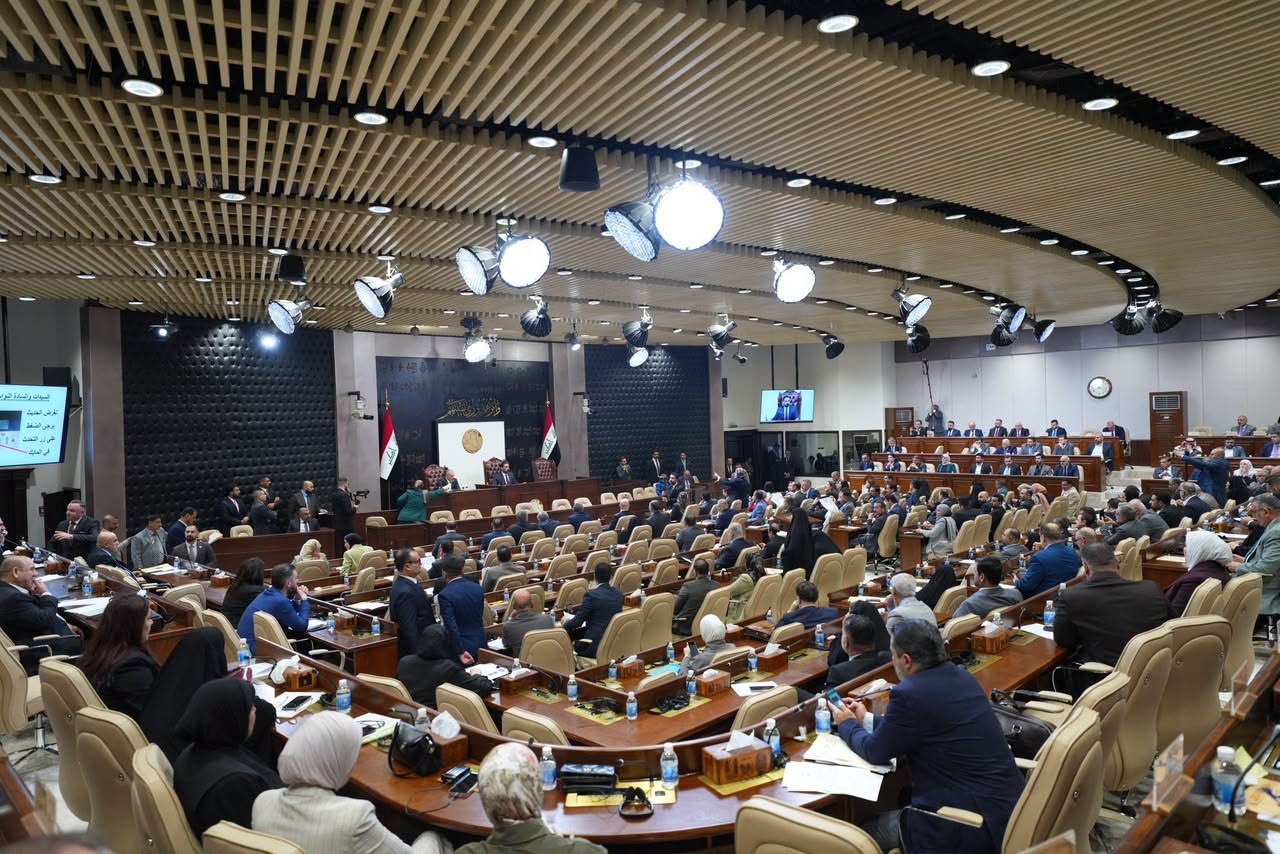
Al-Marsumi’s disclosure comes as Dilan Ghafour, a Kurdish lawmaker in the Iraqi parliament who is also a member of the Parliamentary Finance Committee, confirmed to Al-Sabah newspaper that Iraq has officially requested to enter into a program with the International Monetary Fund (IMF).
Ghafour stated that the Finance Committee will summon financial officials to review detailed data regarding the IMF request and explore alternatives to avoid foreign borrowing.
Highlighting the potential risks, Finance Committee Member Baqir Al-Yasiri described the borrowing plan as a critical economic challenge that could adversely impact various social sectors.
Dive Deeper: Handpicked Stories for You
Follow Channel8 for continuous updates:
CBI Clears Backlogged Import Transfers Following Policy Adjustment
Iraqi Parliament Faces Term Extension as 2027 Budget Bill Stalls
Iraqi Deficit Hits 33.5 Trillion Dinars as Operational Costs Consume 96%