France Deploys 70,000 Police for Halloween Protests Amid Unrest Fears
At a Glance
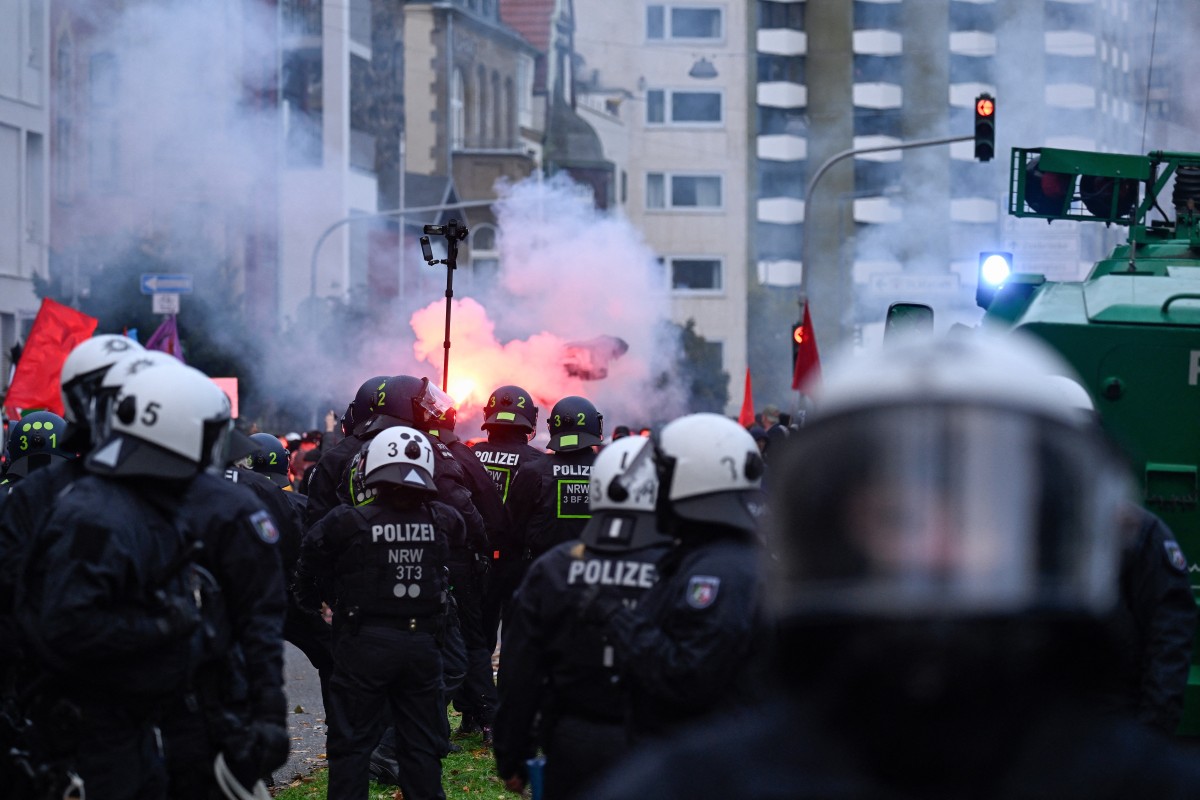
France has deployed 70,000 security personnel for nationwide demonstrations on Saturday, October 31, amid fears of renewed unrest.
Interior Minister Laurent Nunez warned of a very high risk to public order after riots and looting damaged businesses and public buildings earlier this month.
Protests are driven by anger over living costs, public services, education and government economic policies.
The unrest is adding pressure on President Emmanuel Macron’s government as it prepares the 2027 budget amid mounting debt and economic uncertainty.
France has mobilized 70,000 security personnel for nationwide protests on Halloween, as authorities brace for possible renewed violence following earlier riots and looting linked to public anger over living costs, strained public services and President Emmanuel Macron’s government.
Key Statements and Focus Areas
Government Warns of Further Unrest
Interior Minister Laurent Nunez described Saturday as a day carrying “a very high risk” to public order and promised a firm response to any violence.
“Everyone is on deck to ensure an extremely firm response to any trouble.”
Nunez also warned that some groups could use Halloween masks to conceal their identities. French law allows authorities to prohibit face coverings when necessary to protect public order.
Economic and Social Grievances
The demonstrations have grown since late September, bringing together students, trade unions and activists associated with the Yellow Vest movement.
Their concerns include:
Rising living costs and fuel prices.
Underfunded schools and overcrowded classrooms.
Disputes over university admissions.
Public-service pressures and proposed budget measures.
Political and Economic Pressure
The protests come as the government negotiates the 2027 budget amid high public debt and rising borrowing costs. The unrest has also intensified political competition ahead of France’s presidential election scheduled for April 2027.
Retailers have reported significant losses following previous demonstrations, while France’s economic contraction in the third quarter adds to concerns about the broader impact of continued unrest.
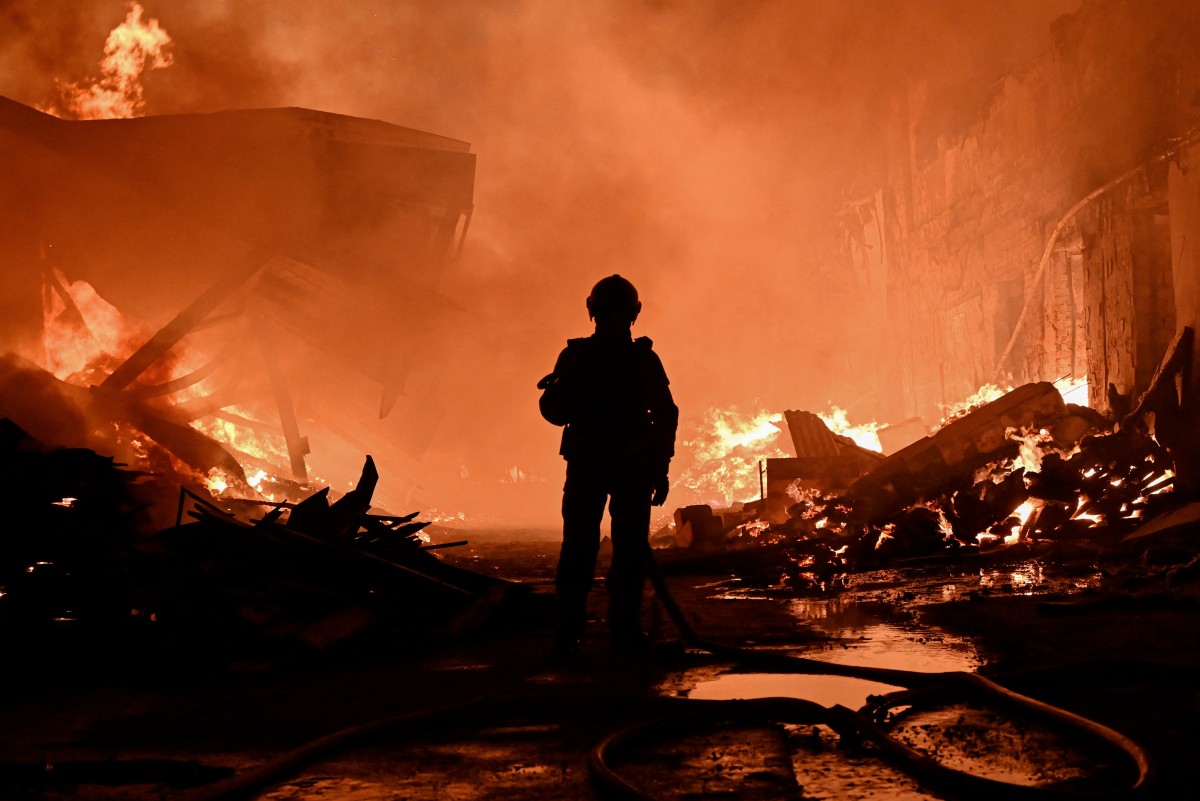
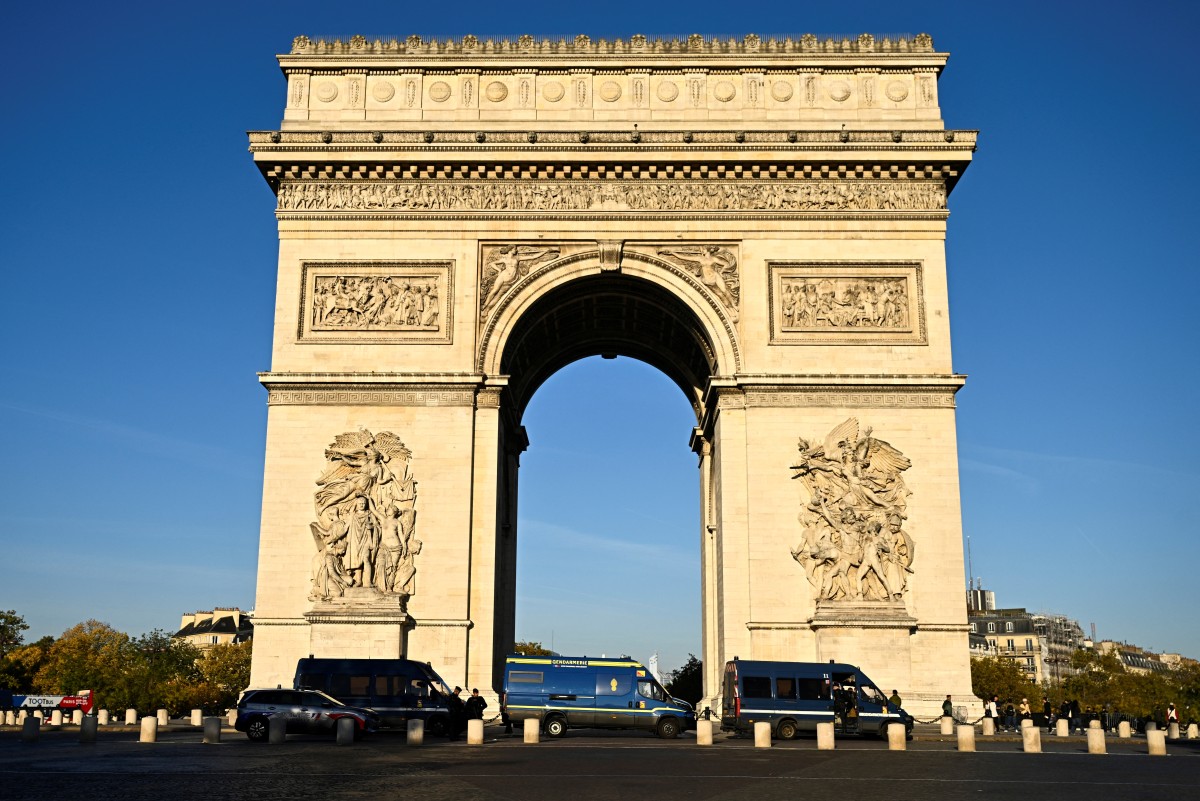
France has deployed 70,000 security personnel across the country for Saturday’s nationwide demonstrations, as authorities seek to prevent a repeat of the riots and looting that damaged shops, public buildings and businesses earlier in October.
Nunez said the security operation was designed to respond firmly to any violence. Authorities have expressed particular concern about possible disturbances after organized demonstrations end, as well as the potential use of Halloween masks to conceal identities.
The protests have spread beyond the student movement that initially mobilized in late September. Trade unions and Yellow Vest activists have joined demonstrations over living costs, wages, fuel prices and the condition of public services.
Students have raised concerns about deteriorating school facilities, crowded classrooms and university admissions procedures they consider unfair. The government has pledged education reforms and measures to ease fuel costs, but those commitments have so far failed to resolve the wider discontent.
The demonstrations also pose a challenge for Macron’s government as it works on the 2027 budget. France faces public debt approaching 120% of gross domestic product, according to the supplied report, while rising borrowing costs are limiting the government’s fiscal flexibility.
The economic effects are becoming increasingly visible. The French Chamber of Commerce has estimated that losses to retailers exceed €1 billion, while other estimates put the combined cost of damage and lost revenue considerably higher. Separate Reuters reporting has described stores damaged in previous unrest and retailers’ concerns about the approaching Christmas shopping season. (Reuters)
The unrest has also become a political issue. Far-right leader Marine Le Pen has gained an advantage in opinion polling ahead of the presidential election, while potential centrist successors to Macron remain divided. Meanwhile, youth-led demonstrations inspired by the French protests have been planned in more than 30 German cities.
The government is also advancing legislation that could make people deemed responsible for riots liable for damages of up to €10,000. Supporters present the measure as a way to hold perpetrators financially accountable, while rights groups and some lawyers warn it could threaten the right to peaceful protest.
FYI
The protests reflect a convergence of economic and political pressures: household cost-of-living concerns, dissatisfaction with public services and disagreement over how the government should manage France’s finances. The movement’s expansion from student demonstrations to trade unions and Yellow Vest activists suggests that the grievances extend beyond a single policy area.
The immediate test for the government is whether the large security deployment can prevent further violence while allowing peaceful demonstrations to proceed. Over the longer term, the unrest could influence the 2027 budget debate and the political contest ahead of the presidential election. France’s third-quarter economic contraction adds another challenge, although the protests should not be treated as the sole cause of the slowdown.
Dive Deeper: Handpicked Stories for You
Follow Channel8 for continuous updates:
France Deploys 70,000 Officers Ahead of New Protests