OPEC+ Holds December Oil Output Steady Amid Iran War
At a Glance
Seven core OPEC+ members agreed to keep production targets unchanged for December.
The group is still struggling with export disruptions linked to the Iran war.
A bigger decision on next year's quotas is expected later this month.
OPEC+ producers kept December output levels steady in an online meeting Sunday, with further policy changes not expected until next year.
Key Statements and Focus Area
Analyst on the Decision: "Today's decision was the easy one. The much more important test comes at the November 29 ministerial meeting, when OPEC+ will decide its 2027 production framework." — Jorge Leon, Analyst, Rystad.
Analyst on 2027 Uncertainty: "OPEC+ faces an extremely difficult call for 2027." — Jorge Leon, Analyst, Rystad.
Focus Area: OPEC+'s decision to hold December production steady and the uncertainty over 2027 quotas as the Iran war disrupts Gulf exports.
The decision was made by Saudi Arabia, Russia, Iraq, Kuwait, Algeria, Kazakhstan, and Oman, who will keep December production at September levels and continue meeting monthly to review market conditions.
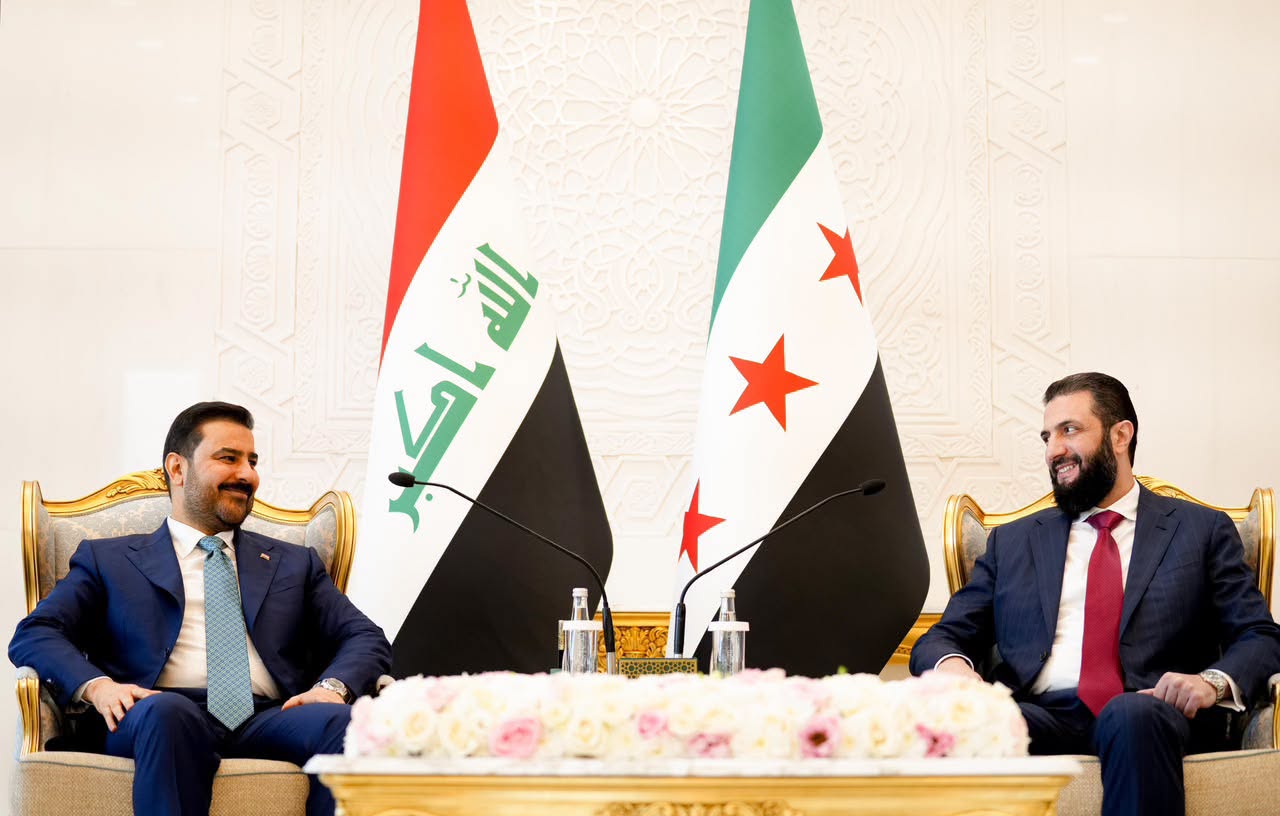
Iraq's Oil Minister, Basim Mohammed Khudair Al-Abadi, joined by video conference and reaffirmed the commitment to global market stability, alongside Oil Marketing Company Director General Ali Nizar and Iraq's OPEC representative, Mohammed Adnan.
Gulf members have been boosting exports that were disrupted for months by the conflict, though most are still pumping well below their targets. Brent crude settled at almost $118 a barrel on Friday, its highest since April, as traders braced for a possible escalation after the US midterm elections.
The International Energy Agency and other forecasters have warned of excess supply in 2027 if Gulf flows return to normal.
All 21 members are due to meet on November 29, when analysts expect 2027 quotas to be set. Before that, the group must finish a review of members' production capacity, now expected by mid-November after the war disrupted expansion projects across the Middle East.
FYI
The seven members raised output targets for much of 2026 and completed the phased rollback of a 1.65 million-barrel-per-day supply cut, first agreed in 2023, in September. A further layer of cuts of about 2 million barrels per day, covering most members, remains in place through the end of 2026. The United Arab Emirates, which previously took part in monthly output decisions, quit OPEC in May.
Dive Deeper: Handpicked Stories for You
Follow Channel8 for continuous updates:
Iraq Oil Output Rebounds Following Conflict-Driven Midyear Slump
Iraqi Oil Minister Speeds Up Implementation of Strategic Sector Projects