Iraq Rejects Rumors of 16 Trillion Dinar Loan

At a Glance
Iraq dismissed reports of borrowing from Saudi Arabia, Kuwait, China, Germany, and France to cover its budget deficit.
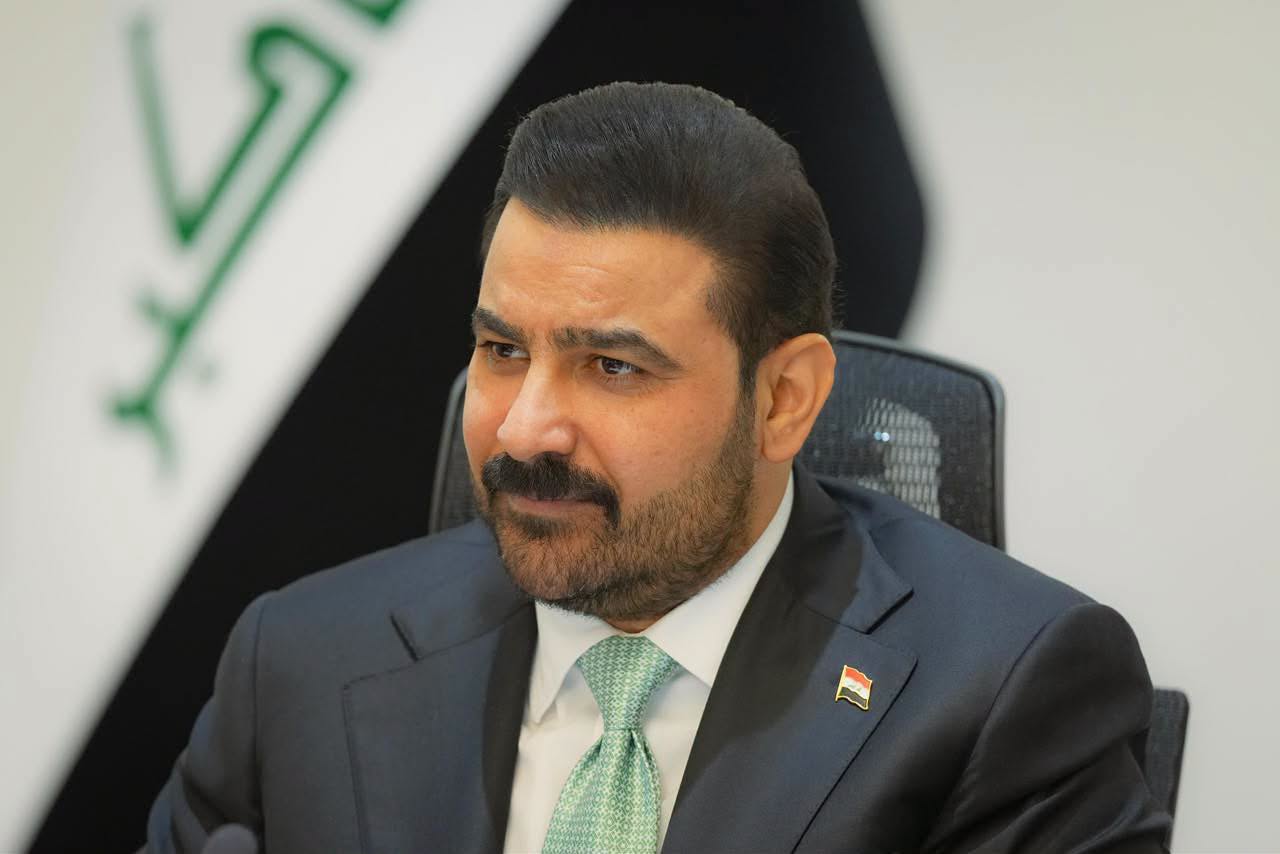
Government spokesperson Haider al-Aboudi called the rumored 16 trillion dinar loan incorrect.
Official indicators show robust oil export numbers, eliminating the need for external loans.
Iraqi Government spokesperson Haider al-Aboudi has dismissed reports alleging that the country intends to borrow funds from Saudi Arabia, Kuwait, China, Germany, and France to cover its budget deficit.
Key Statements and Focus Area
The government spokesperson said, "The news circulating about Iraq's intention to borrow 16 trillion dinars from a number of countries to plug the budget deficit is incorrect."
Al-Aboudi emphasized that current oil export indicators eliminate the need for external borrowing.
Speaking to the state-run Iraqi News Agency, al-Aboudi stressed that the government is pursuing an economic policy centered on the precise allocation of revenues to sustain public spending and fulfill state financial obligations.
Al-Aboudi affirmed that an increased oil export ceiling has successfully boosted national revenues.
Al-Aboudi highlighted that the government is moving forward with an economic policy centered on maximizing available financial resources.
He noted that this strategy is designed to stabilize public spending and effectively meet the state's financial obligations.
FYI
The controversy stems from a dispute between a prominent local economist and the government over how the upcoming 2027 federal budget will be funded.
Economic expert Nabil al-Marsoumi triggered a media storm by claiming the draft budget carries a massive 43 trillion dinar deficit requiring external borrowing from five nations.
He stated that the government planned to bridge this gap through 22 trillion dinars in domestic borrowing and 16 trillion dinars in external credit lines from 18 Arab and foreign lenders—specifically naming Saudi Arabia, Kuwait, China, Germany, and France.
Despite the official government denial, data from the Ministry of Finance confirms that the state budget faces severe liquidity strains. This fiscal shortfall is heavily driven by a massive public sector salary drag that consumes 55% of all government spending.
Furthermore, high dependence on volatile global crude oil prices leaves the national treasury vulnerable to sudden market drops. In light of the rumors, Baghdad economic analysts have strongly warned against turning to multilateral lenders like the World Bank and IMF.
They caution that borrowing from these global institutions is a fiscal trap requiring strict and painful structural economic reforms. These forced austerity measures threaten popular social safety nets, risking deep domestic public unrest and political instability.
Dive Deeper: Handpicked Stories for You
Follow Channel8 for continuous updates:
Al-Zaidi and Al-Sharaa Discuss Trade, Energy, and Border Security
Baghdad Delays Draft Budget Until Next Month Due to Disputes
Economic Expert Outlines Mass Borrowing Plan to Cover Iraq's 2027 Budget Deficit