Iran’s IRGC Says Two Oil Tankers Hit Mines Near Strait of Hormuz
At a Glance
Iran’s Islamic Revolutionary Guard Corps (IRGC) says two oil tankers caught fire after striking naval mines near the Strait of Hormuz.
The IRGC claims the vessels attempted to use an unauthorized route and had switched off their GPS systems.
Iranian officials have warned that renewed fighting with the United States could last longer than the previous conflict.
The incident comes amid continued tensions over maritime access through the strategic waterway and efforts to revive negotiations.
Iran’s Islamic Revolutionary Guard Corps says two oil tankers caught fire after striking naval mines near the Strait of Hormuz, accusing the vessels of attempting to cross through a route it considers unauthorized, according to Iranian state media and Reuters.
Key Statements and Focus Areas
IRGC Account of the Incident
The IRGC’s public relations office said the tankers attempted to transit a route it described as unauthorized and established by the United States.
According to the Iranian military, both vessels had switched off their GPS systems and sought to pass through the route with U.S. assistance before striking mines, catching fire and sinking.
The IRGC also released footage it said showed the incident. The circumstances described by Iranian officials have not been independently established in the supplied reporting.
Iran Warns of a Longer Conflict
The incident comes amid renewed Iranian warnings against a resumption of hostilities with Washington.
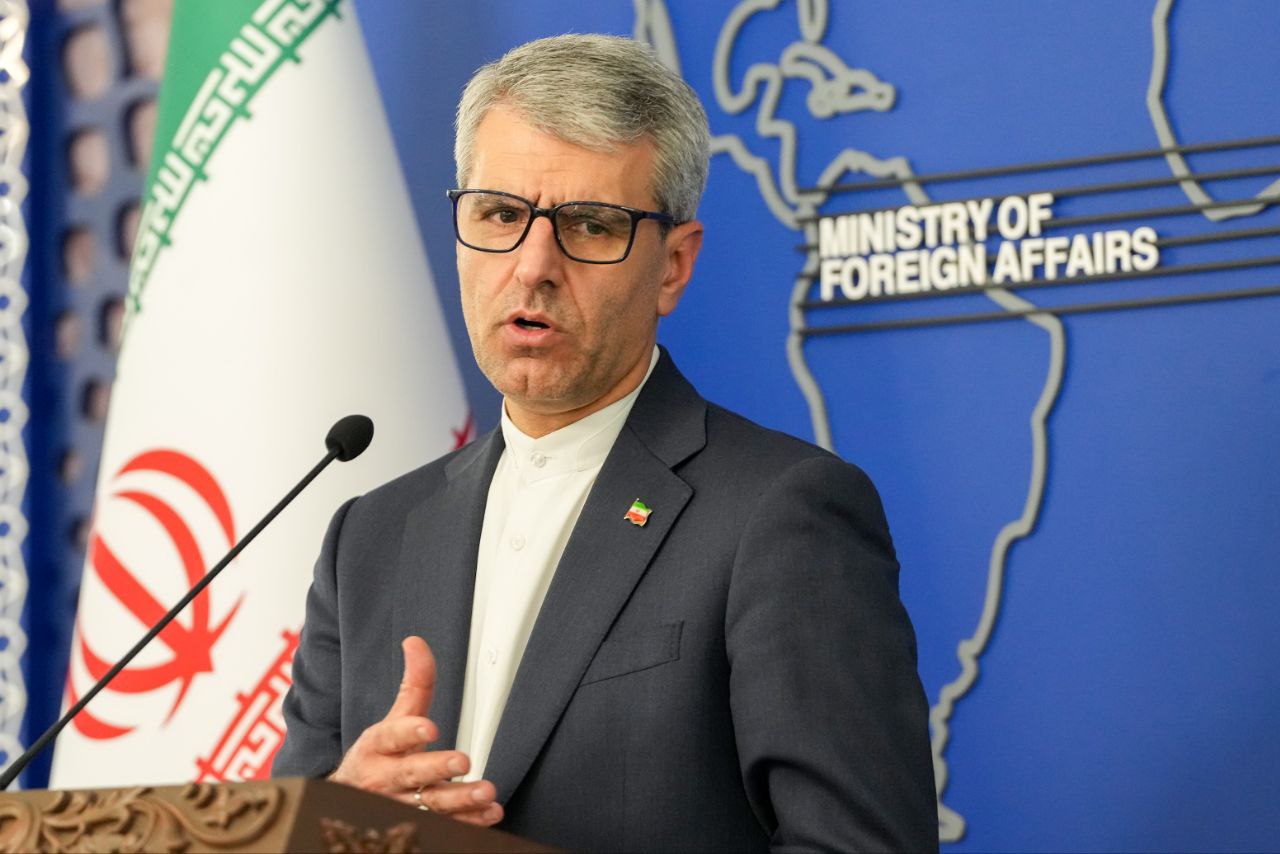
Iranian Army spokesperson Mohammad Akraminia said a potential new war could last longer than the previous conflict and warned that U.S. President Donald Trump would not determine the timing or conditions of its conclusion, according to Iranian state television.
Strait of Hormuz Under Pressure
The Strait of Hormuz is a critical international shipping route for global oil and gas supplies. Restrictions on vessel movements, security threats and competing claims over authorized passage have heightened risks for commercial shipping and energy markets.
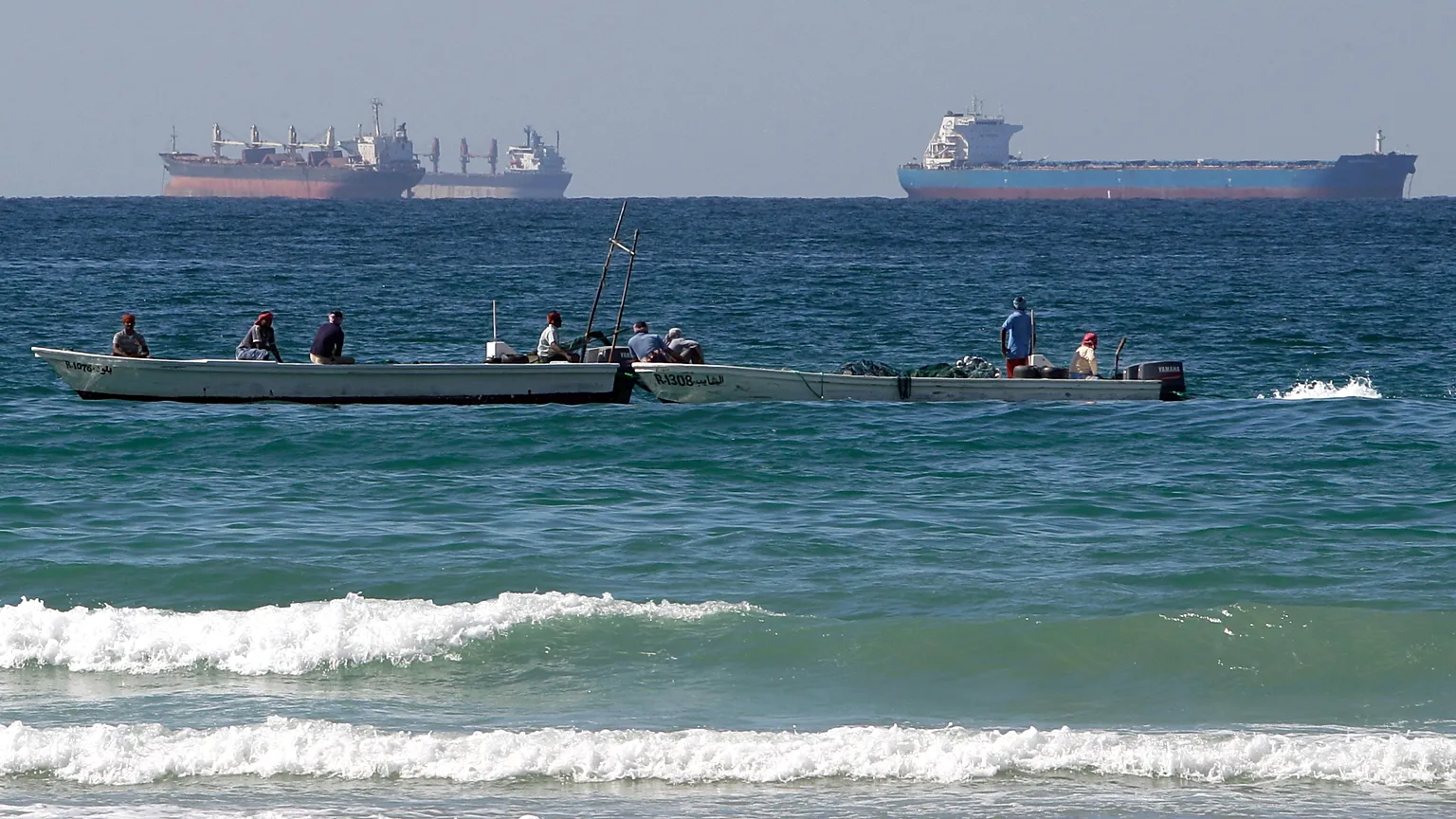
Iran’s Islamic Revolutionary Guard Corps Navy says two oil tankers caught fire after striking naval mines near the Strait of Hormuz, further highlighting tensions over control of maritime traffic through the strategic waterway.
According to the IRGC statement carried by Iranian media, the vessels attempted to cross through a route that Iran considers unauthorized. Iranian officials claimed the tankers had switched off their GPS systems and were attempting to use a route established by the United States.
The IRGC said the vessels struck mines, caught fire and sank, and released footage it described as showing the incident. Reuters also reported the IRGC Navy’s account of the two tanker explosions, while the vessels’ identities and the full circumstances of the incident were not established in the report.
The latest incident comes as Tehran continues to warn Washington against renewed military action. Iranian Army spokesperson Mohammad Akraminia said on Sunday that a new conflict could last longer than the previous round of fighting, adding that the United States would not dictate the conditions under which it ended.
The Strait of Hormuz remains central to the wider confrontation because of its importance to international energy shipments. Any further disruption to commercial traffic could increase shipping risks and add pressure to global oil markets.
FYI
The tanker incident underscores the risks posed by competing maritime restrictions and military activity around the Strait of Hormuz. While Iran attributes the explosions to mines and alleges that the vessels attempted to use an unauthorized route, those claims should be distinguished from independently verified findings. Continued disruption in the waterway could affect energy prices, shipping costs and diplomatic efforts to prevent renewed escalation.
Dive Deeper: Handpicked Stories for You
Follow Channel8 for continuous updates:
Axios: Trump, Netanyahu Discuss Timing of Potential New Strikes on Iran
Mojtaba Khamenei Calls for Immediate Response to Any Threat Against Iran
Trump Says 'No Strike Today' on Iran as Washington Weighs Options