Iran Says US Deal Possible Within Days as Qatar Mediates Talks
At a Glance
Iranian Foreign Ministry spokesperson Esmaeil Baghaei says an agreement with Washington could be possible within days.
Tehran says its diplomatic approach is based on a seven-point proposal submitted to the United States in September.
Baghaei accuses Washington of undermining diplomatic efforts, saying the next move rests with the US.
Iranian and Qatari representatives have continued discussions in Doha, with a further meeting reportedly under consideration.
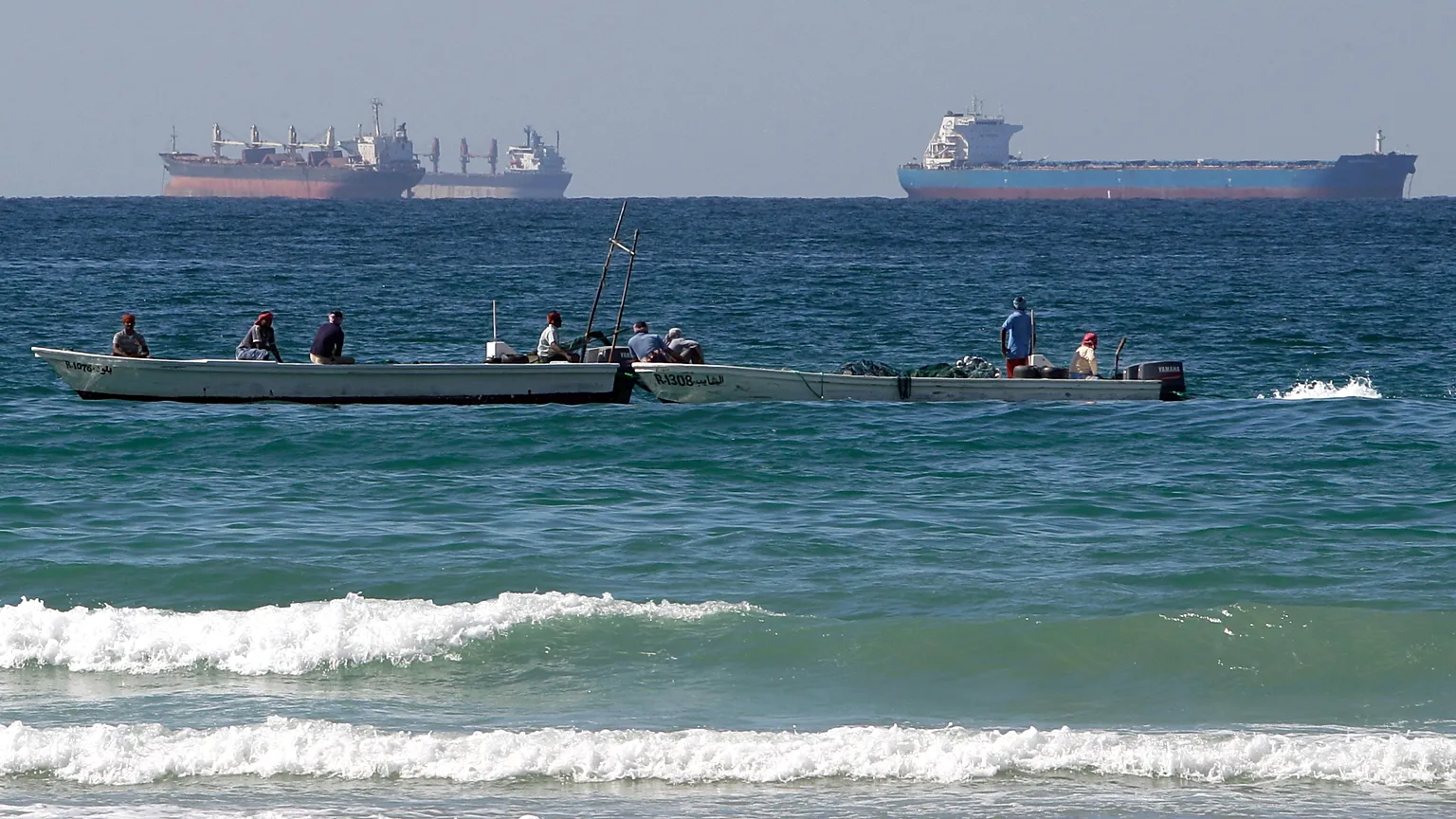
Iran says there may be an opportunity to reach an agreement with the United States within days, as indirect negotiations continue through regional mediators over Tehran’s seven-point proposal to end the conflict and reopen the Strait of Hormuz.
Key Statements and Focus Areas
Baghaei: Opportunity for an Agreement
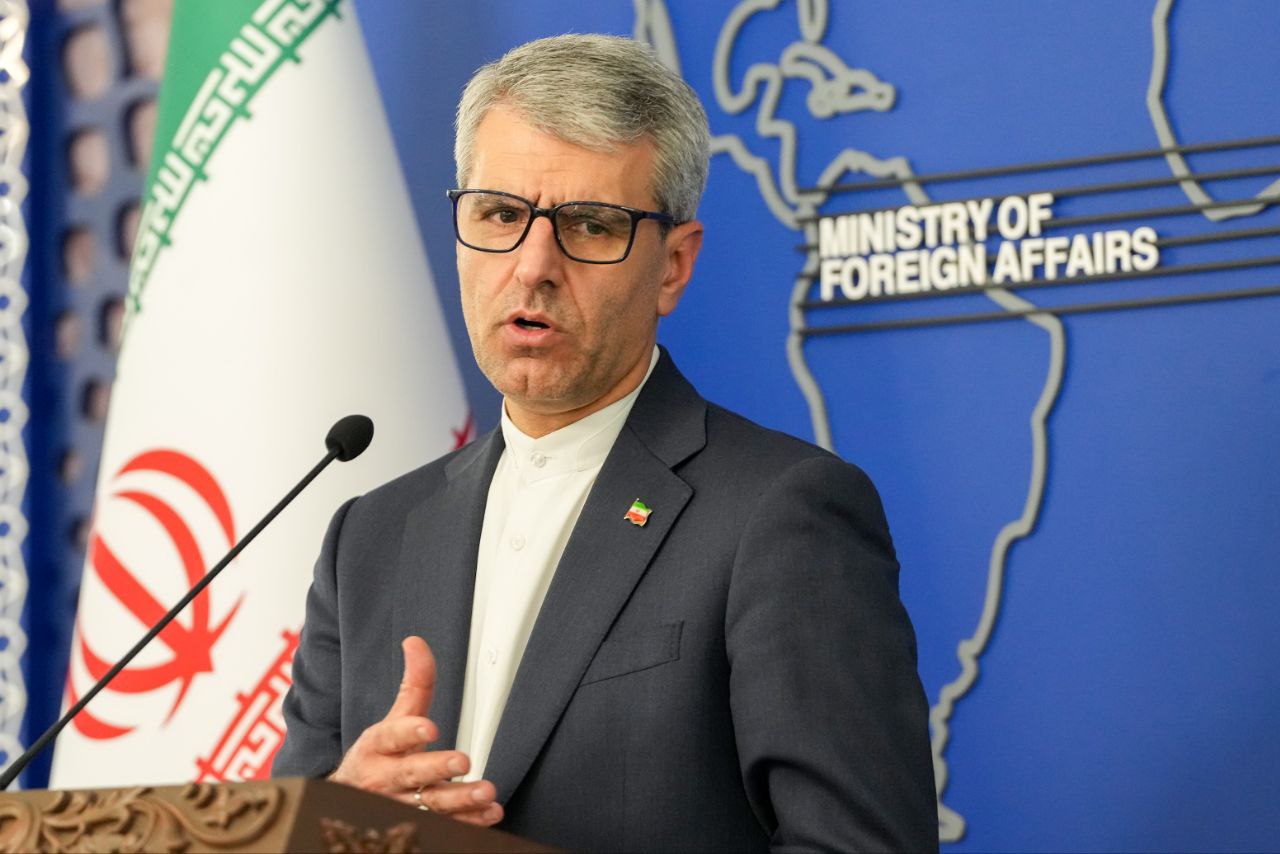
Iranian Foreign Ministry spokesperson Esmaeil Baghaei said on Monday that Tehran’s diplomatic approach toward Washington is based on its seven-point proposal.
“There is an opportunity to implement the proposal within the next few days,” Baghaei said.
He added that Iran had clearly presented its demands and that the next move was now up to Washington.
Tehran Accuses Washington of Undermining Diplomacy
Baghaei accused the United States of working to derail diplomatic efforts.
“Washington has so far demonstrated that it is working to undermine any diplomatic path,” he said.
He also confirmed that messages between the two sides continued to be exchanged through intermediaries. Baghaei said Iranian Deputy Foreign Minister Kazem Gharibabadi had visited Doha as part of those efforts.
Qatar Mediation and Possible Further Meeting
A source familiar with the negotiations told Reuters that Iranian negotiators left Doha on Sunday without difficulties in the negotiation process.
The source said a draft proposal had been circulated for comments and that another meeting could be held for follow-up discussions.
Araghchi: No Final Agreement Yet
Iranian Foreign Minister Abbas Araghchi said on Sunday that discussions with Qatari mediators were progressing, but no final agreement had been reached.
The talks have focused on Iran’s seven-point proposal, first presented to Washington in September 2026.
Iran has indicated that an agreement with the United States could be within reach in the coming days, even as tensions between the two countries remain high and the possibility of renewed military action continues to shape diplomatic efforts.
Speaking at a press conference on Monday, Iranian Foreign Ministry spokesperson Esmaeil Baghaei said Tehran’s approach to diplomacy with Washington was based on a seven-point proposal submitted in September. He said there was an opportunity to implement the plan within days, while accusing the United States of undermining diplomatic efforts.
Baghaei said Iran had clearly communicated its demands and that the decision now rested with Washington. He also confirmed that messages continued to pass between the two sides through intermediaries, including Qatar.
The latest diplomatic contacts follow discussions in Doha involving Iranian representatives and Qatari mediators. A source familiar with the negotiations told Reuters that a draft proposal had been circulated for comments, with another meeting possible to follow up on the discussions.
Foreign Minister Abbas Araghchi said on Sunday that talks with Qatari officials were making progress but had not produced a final outcome.
Iran’s seven-point proposal, presented in September, calls for an end to hostilities, the reopening of the Strait of Hormuz, and the resumption of negotiations over Iran’s nuclear programme. It also includes demands for the release of frozen Iranian assets and the lifting of the US naval blockade on Iranian ports and restrictions on Iranian oil exports. Tehran has proposed a sequence under which these measures would pave the way for reopening the waterway and restarting broader negotiations.
The United States previously rejected the proposal, with President Donald Trump describing it as a bad offer. Washington has also maintained that Iran’s nuclear programme must be addressed in any broader agreement.
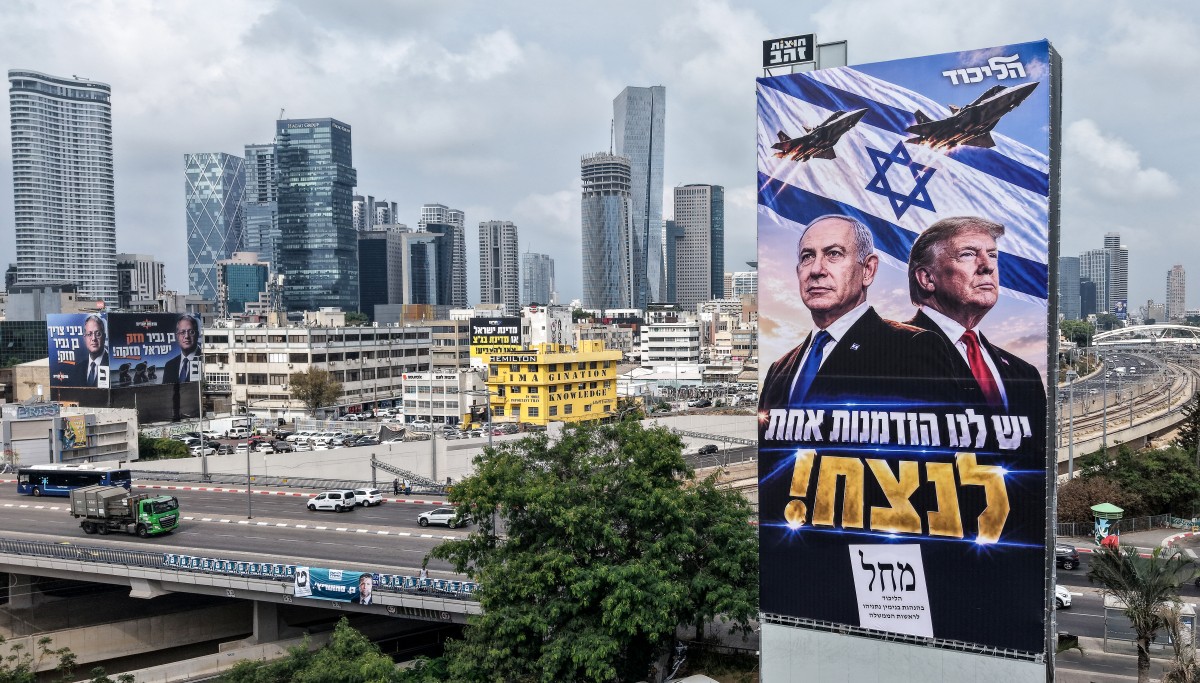
The diplomatic activity comes ahead of the November 3 US midterm elections and amid reports of differences between Trump and Israeli Prime Minister Benjamin Netanyahu over the timing of potential renewed military action against Iran. Axios reported that Netanyahu pressed for strikes after the elections, while Trump preferred to allow negotiations to continue.
FYI
The central disagreement remains the sequence of any potential agreement. Tehran wants the end of hostilities, relief from the US naval blockade and sanctions-related restrictions, and the reopening of the Strait of Hormuz addressed before broader nuclear negotiations. Washington has maintained that Iran’s nuclear programme must be part of the process from the outset. Qatar’s mediation may provide a channel for continued exchanges, but the circulation of a draft proposal and the prospect of another meeting do not amount to an agreement.
Dive Deeper: Handpicked Stories for You
Follow Channel8 for continuous updates:
Iran’s IRGC Says Two Oil Tankers Hit Mines Near Strait of Hormuz
Axios: Trump, Netanyahu Discuss Timing of Potential New Strikes on Iran