Iraqi President and Oil Minister Discuss Upgrading Infrastructure and Production
At a Glance
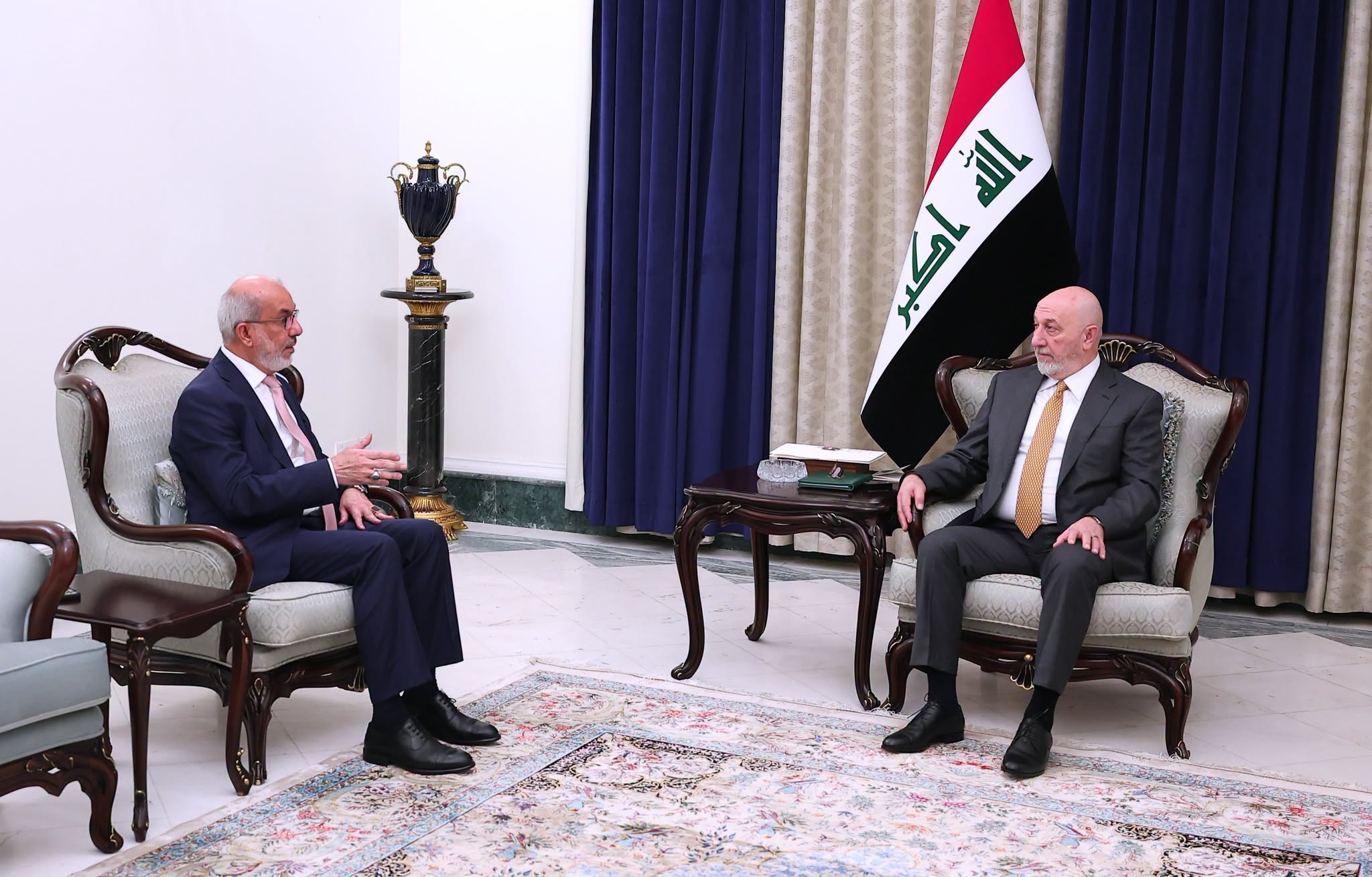
President Nizar Amedi hosted Oil Minister Bassem Mohammed Al-Abadi at Salam Palace in Baghdad.
Discussions centered on modernizing Iraq's aging energy infrastructure to grow national production capacities.
The leaders emphasized upgrading refinery efficiencies to support broader national economic diversification.
A long-term strategic vision was urged to safeguard resource wealth for future generations.
Iraqi President Nizar Amedi received Minister of Oil Bassem Mohammed Al-Abadi at Salam Palace in Baghdad, where the two leaders reviewed the status of the country's oil sector and evaluated strategic plans designed to increase production and support investments in natural resources.
Key Statements and Focus Area
The President emphasized the importance of developing the oil sector and maximizing the utilization of national wealth.
For his part, the Minister of Oil reviewed the most prominent plans and projects the ministry is working on, as well as the efforts being made to develop the oil sector, expressing his appreciation for the President's interest in energy and national economy files.
Following these discussion points, both sides focused heavily on the immediate implementation details needed to update critical energy infrastructure.
The conversation shifted toward identifying advanced technological solutions and modern technical expertise to ensure these upgrades are sustainable over the long term.
This approach aims to secure the economic rights of upcoming generations while steadily reinforcing Iraq's overall competitiveness in international energy trade.
FYI
The high-level meeting comes at a critical juncture as Iraq seeks to navigate its complex position as OPEC’s second-largest crude producer while balancing international climate commitments and severe budget dependencies.
Historically, oil revenues account for over 90% of Iraq's federal budget revenue, making the country exceptionally vulnerable to global market volatility.
In response to these fiscal pressures, Baghdad has prioritized boosting its refining capabilities, such as the recent modernization of the Karbala and Baiji refinery complexes, aiming to halt expensive oil derivative imports and fulfill domestic fuel demand locally.
Securing infrastructure upgrades and maximizing associated gas capture remain pivotal steps toward securing economic independence, balancing federal spending deficits, and funding the state's transition toward sustainable energy alternatives.
Dive Deeper: Handpicked Stories for You
Follow Channel8 for continuous updates:
Iraq Customs Revenue Jumps 103% in October to $350.7 Million
Iraq’s Oil Exports Through Kurdistan Pipeline Reach 500,000 Barrels Daily
OPEC+ Holds December Oil Output Steady Amid Iran War
Al-Zaidi and Al-Sharaa Discuss Trade, Energy, and Border Security